
Industry solutions
Soil, greenhouse and weather monitoring for your farm
Soil moisture, greenhouse climate, local weather and tank levels in one platform — with a frost alarm that fires before the damage is done.
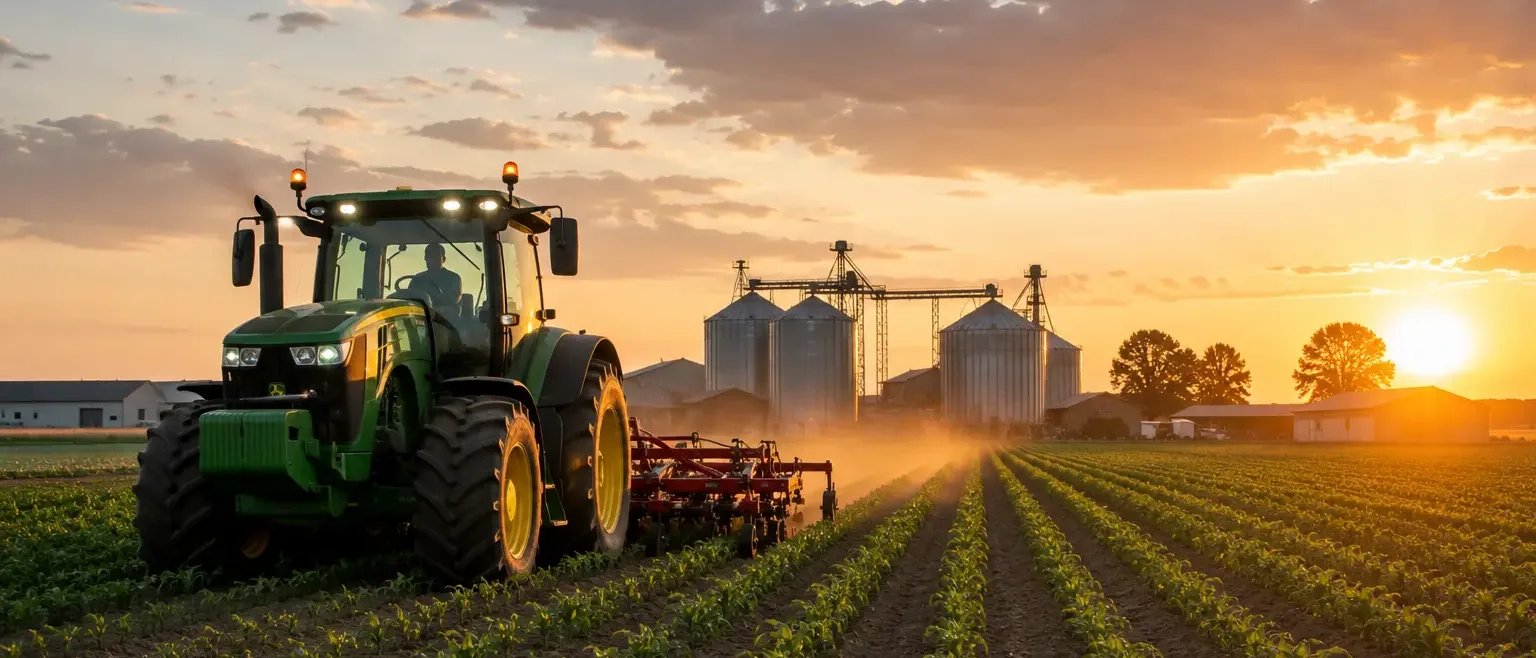
Sound familiar?
Frost arrives just before dawn
One night below zero can take a blossoming orchard or seedlings in a polytunnel. A regional forecast won't tell you what's happening on your plot at 3 a.m.
You irrigate by calendar, not by soil
Without data from the root zone, irrigation is guesswork — too much water leaches fertilisers, too little causes drought stress.
The microclimate under cover slips out of control
Excess humidity in a greenhouse invites fungal diseases, while a CO₂ drop at midday slows photosynthesis and cuts yield.
You still drive out to check tanks and wells
You only know the water level in tanks and wells when someone drives there — and you discover a failure when the pump is already running dry.
How Nextriv solves it
Irrigation based on root-zone data
Soil probes measure moisture, temperature and salinity (EC) in the root zone. You see the state of your plots without driving out and water only where it's needed.
Your own weather station instead of a forecast
Temperature, wind, pressure and rainfall measured on site — rain with 0.01 mm resolution. Local data drives your frost alarms and the planning of field treatments.
CO₂ and climate under cover
An industrial CO₂ sensor (NDIR, 400–5000 ppm) with temperature, humidity and pressure in a sealed IP65 enclosure watches the atmosphere in greenhouses and produce stores.
Tank levels without a field trip
Hydrostatic and ultrasonic probes report levels of water and bulk materials. Min/max thresholds warn you before a tank runs empty or overflows.
Coverage for the whole farm
Sensors connect over a long-range radio link — up to ~15 km in open terrain. One gateway covers fields, tunnels and buildings, and batteries last up to 10 years.
Alarms that actually wake you up
Four thresholds per metric, SMS, email and push notifications plus an in-app siren, with escalation to the next people until someone acknowledges the alert.
Recommended products
Nextriv hardware picked for this industry — up and running with the platform in minutes.
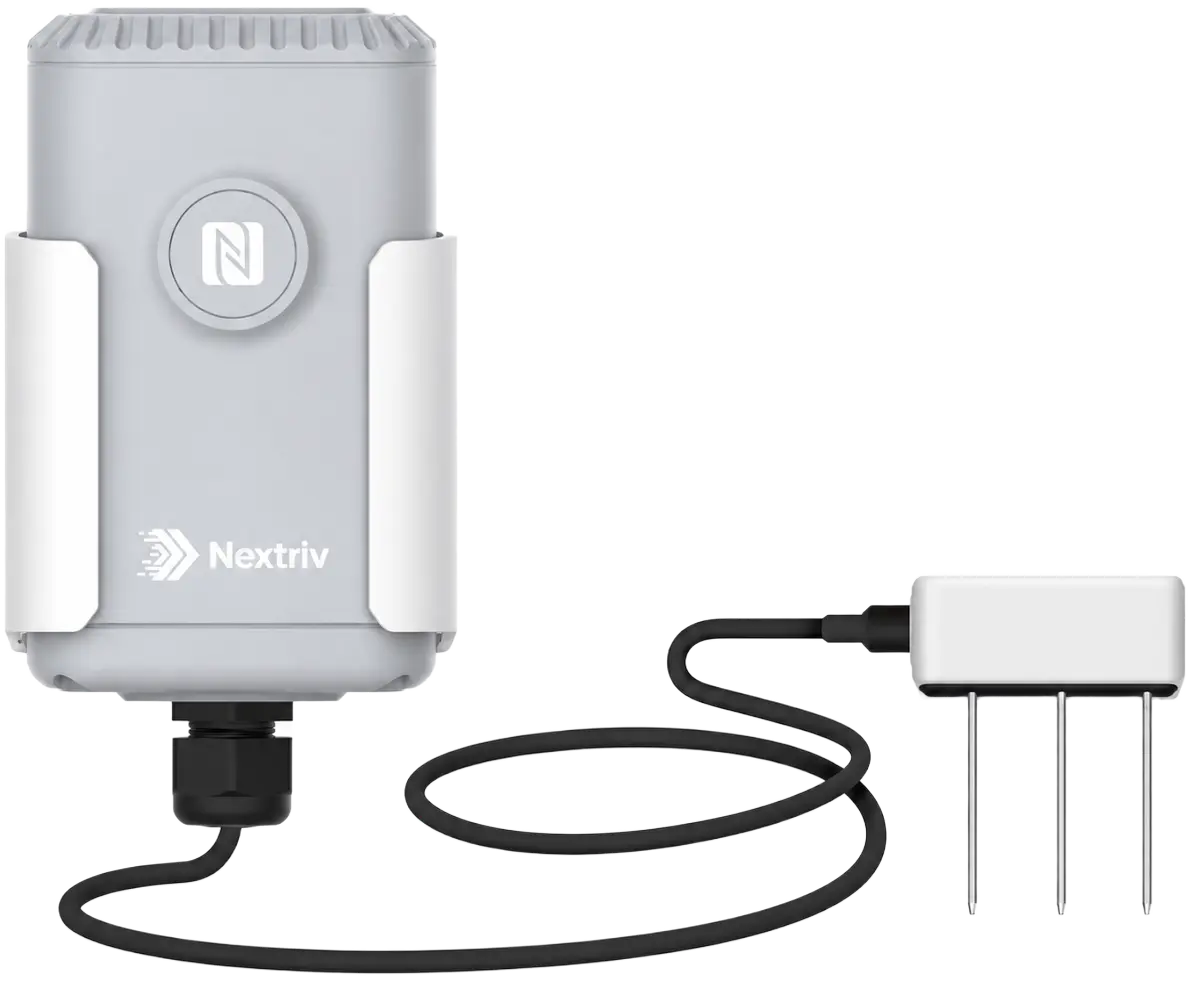
Nextriv Probe Soil
Soil moisture (±2%), temperature and EC conductivity in one IP68 probe buried in the root zone — agronomy-grade data for years on a single battery.
View product
Nextriv Weather Pro
A 6-in-1 weather station with piezoelectric rainfall measurement (0.01 mm) and ultrasonic wind — local weather for frost alarms and planning field treatments.
View product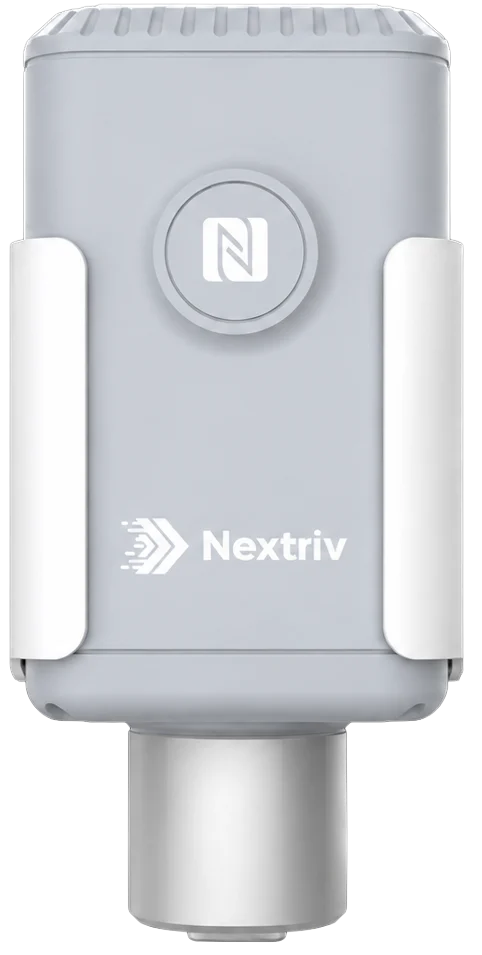
Nextriv Sense CO₂ Industrial
CO₂ (NDIR), temperature, humidity and pressure in an IP65 enclosure — built for greenhouses, fruit and vegetable stores and fermentation cellars.
View product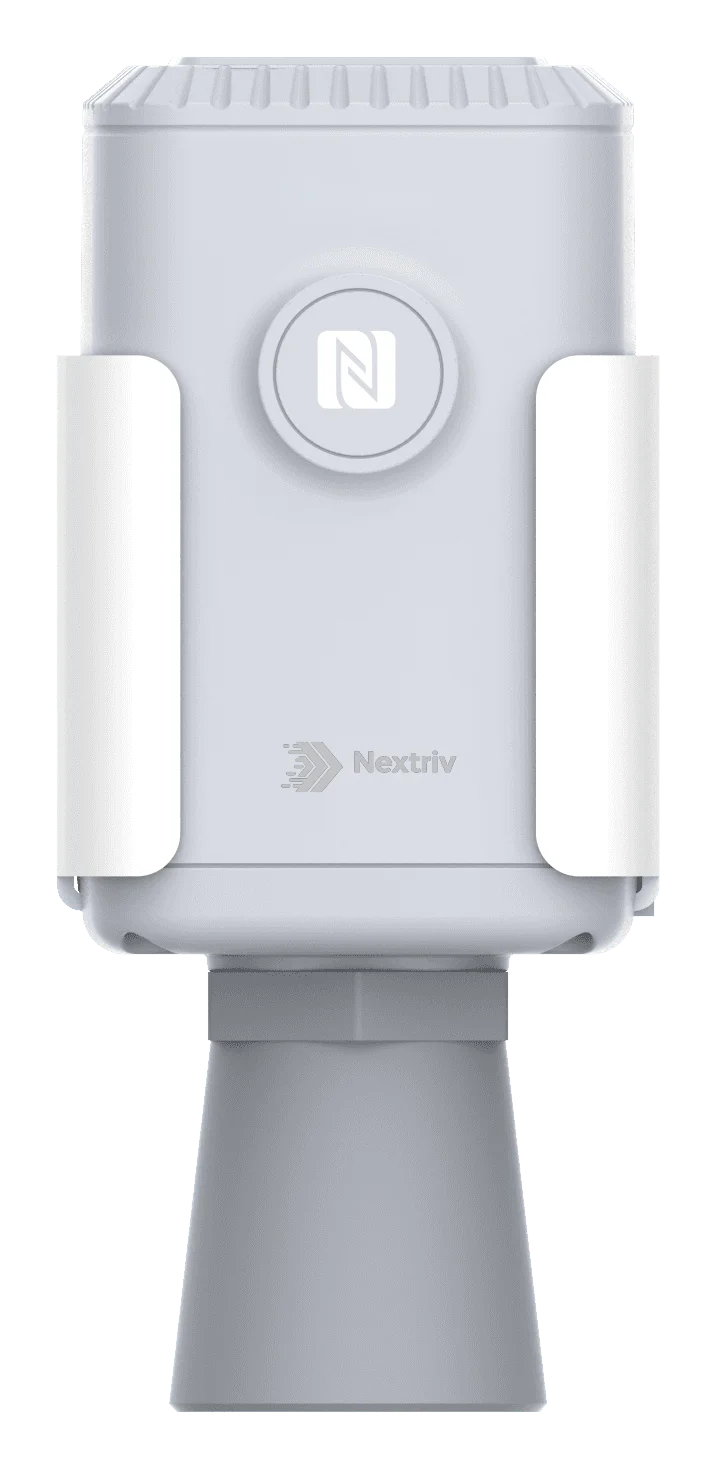
Nextriv Probe Ultrasonic
Contactless level measurement in tanks and silos (up to 10 m) — nothing touches the medium, so it also suits liquid fertilisers and chemicals.
View product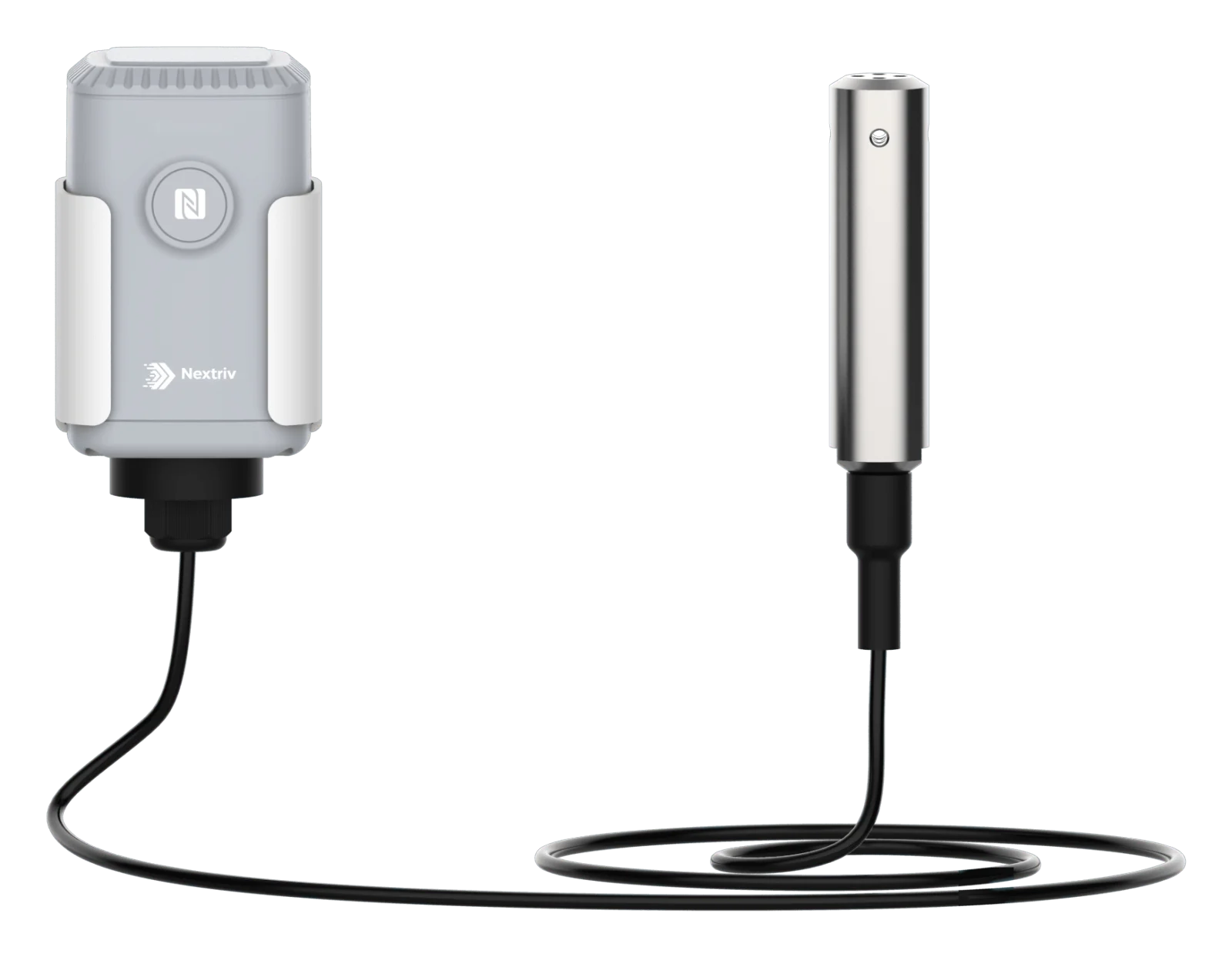
Nextriv Probe Liquid Level
A hydrostatic submersible probe (IP68, stainless steel) for wells and water tanks — immune to foam, waves and wind.
View product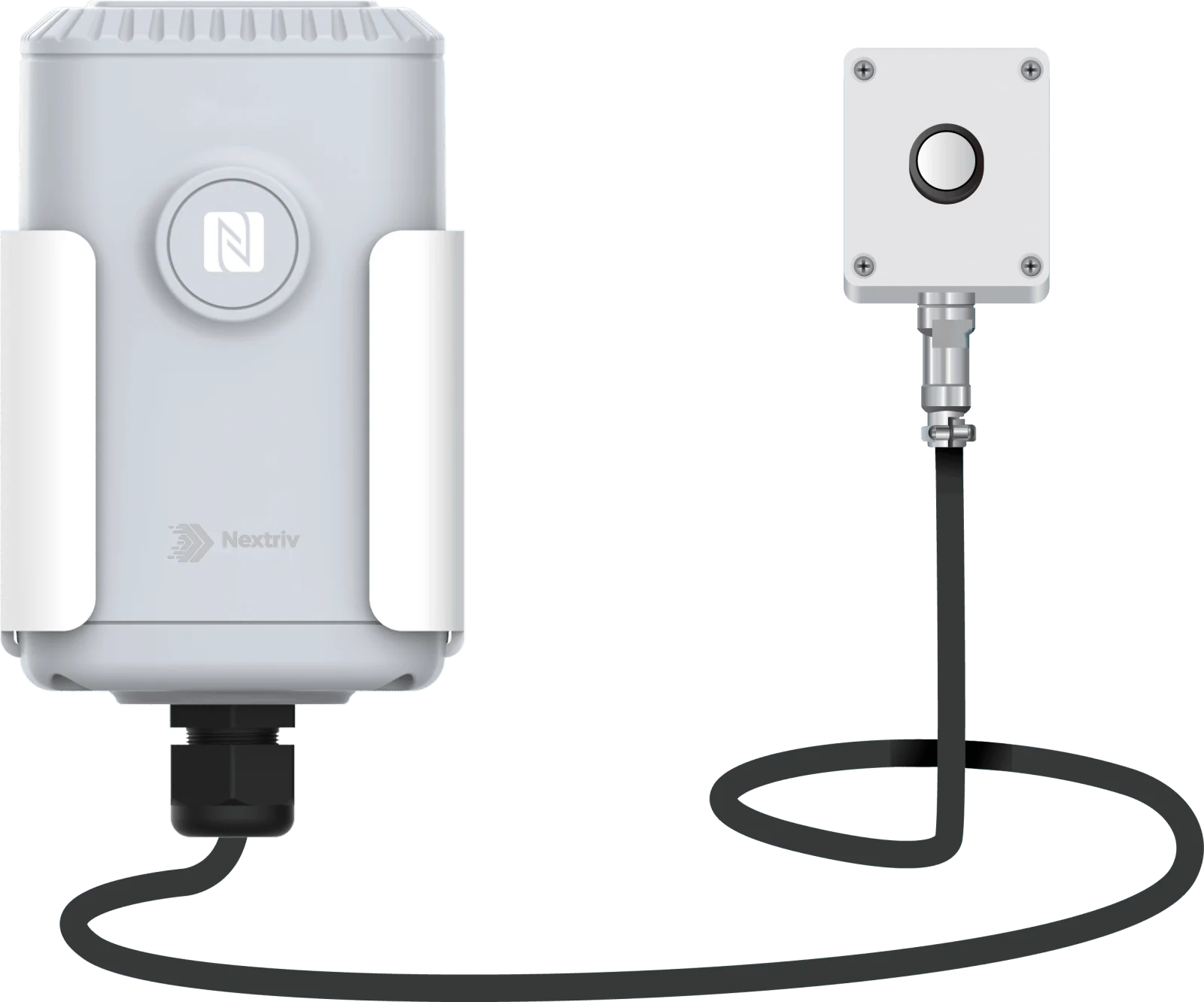
Nextriv Sense Lux Pro
Precise illuminance (lux) and solar radiation measurement — light-condition control in greenhouses and stores; a signal for shading systems.
View productScenario: frost before dawn
April, an orchard in bloom. Sensors by the crops report temperature all night long — the platform keeps watch for you.
- If
The temperature by the crops drops below +2°C — crossing the warning threshold set for this plot.
- Then
The platform opens an event with an ALM code and sends an SMS and web push to the person on duty — with a chart of how fast it's falling.
- Escalation 1
No acknowledgement within 10 minutes — the escalation policy notifies a second person (SMS + email).
- Escalation 2
At 0°C (critical threshold) the alert rises to critical severity — an in-app siren and SMS to the farm owner, and once the danger passes a recovery notification follows.
Compliance and standards
Organic farming (EU 2018/848)
Organic production requires reliable documentation of production and storage conditions. A continuous, automatic measurement history supports your records for the certification body.
GlobalG.A.P.
The good agricultural practice standard emphasises records of irrigation and produce storage. Sensor data replaces manual notes — complete and timestamped.
HACCP in produce storage
Fruit and vegetable stores and crop warehouses fall under food safety rules. Automatic temperature and humidity logging documents your control points.
Frequently asked questions
How does a frost alarm work in an orchard or plantation?
Temperature sensors by the crops report cyclically, and you set up to four thresholds per metric — e.g. a warning at +2°C and a critical alarm at 0°C. When a threshold is crossed, the platform sends SMS, email and push notifications, triggers the in-app siren, and the escalation policy passes the alert to the next people until someone acknowledges it.
Which soil moisture sensor should I choose for a greenhouse or field?
Nextriv Probe Soil measures three parameters with one probe: soil moisture 0–100% (±2% accuracy in the 0–50% range), temperature (±0.5°C) and electrical conductivity up to 20,000 µS/cm — an indirect measure of salinity and fertilisation. The IP68 probe works buried in the root zone, and the transmitter lasts up to 10 years on one battery.
What is the sensor range — will it cover the whole farm?
Sensors communicate over a long-range radio link with a range of up to ~15 km in open terrain and ~2 km in built-up areas. In practice one gateway covers the fields, tunnels and buildings of a typical farm. Sensors need no Wi-Fi or mains power.
Can Nextriv control irrigation automatically?
Nextriv delivers data and alerts — the watering decision stays with your irrigation system. Webhooks forward events to external automation, so your controller can react to soil moisture thresholds set in the platform.
What happens to measurements when the internet or signal goes down?
Sensors buffer around 1,000 recent records locally and automatically resend them once connectivity returns — your measurement history stays gap-free. The platform also detects offline devices (by default a sensor after 2× its reporting interval, a gateway after 15 minutes — both thresholds are yours to adjust) and notifies you.
Start monitoring today
FREE plan to start: 10 sensors, 1 gateway, alerts and PDF reports — no credit card required.