
Industry solutions
Temperature monitoring in cold rooms and freezers
Round-the-clock temperature logging, SMS alarms on unit failure, door and leak sensors — a complete measurement history for inspections and HACCP audits.
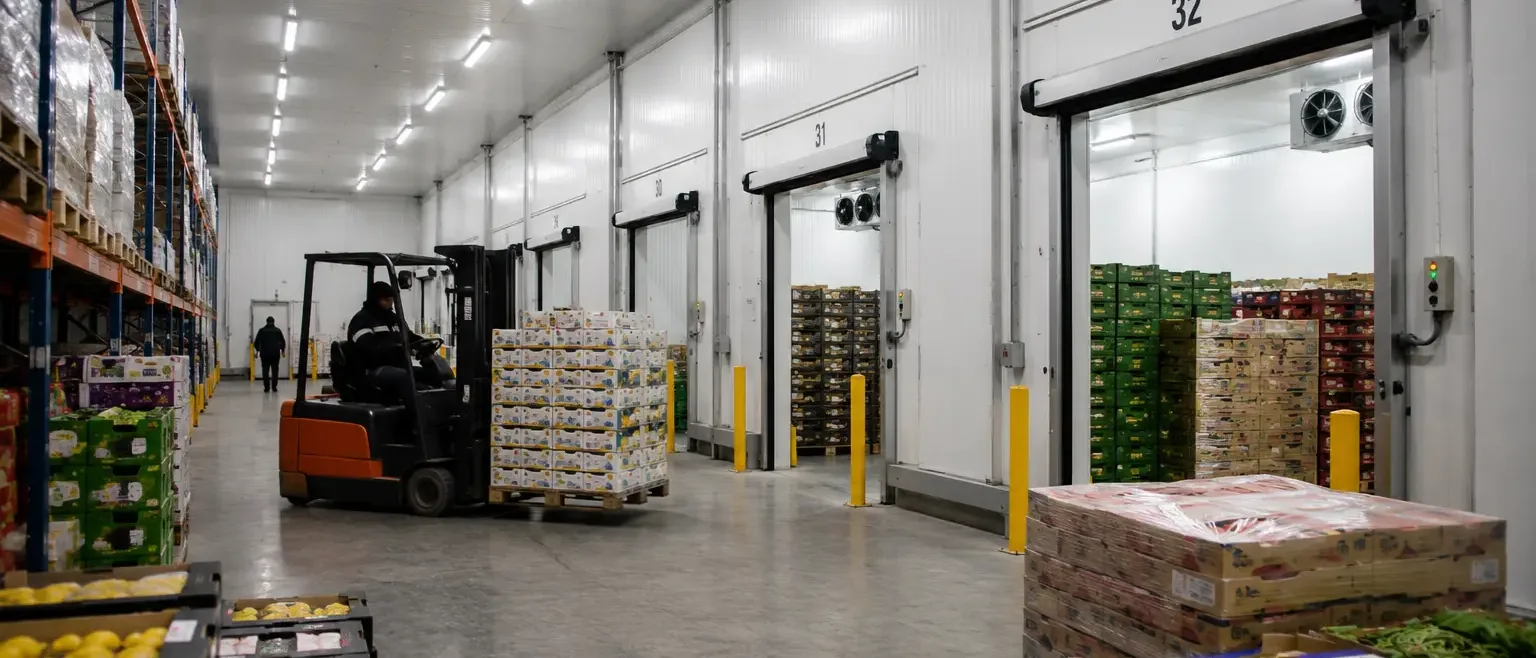
Sound familiar?
Thawing = losing the whole batch
A few hours above the safe temperature is enough to send goods worth hundreds of thousands to disposal — and the insurer will ask for the temperature record.
A refrigeration unit failing at night
A chamber holds its temperature long after a failure — a false sense of safety. Without an alarm, you find out when it's too late to save the goods.
Chamber door left open
A door left ajar means a temperature spike, iced-up evaporators and a double-digit jump in the power bill — and nobody knows when or for how long it was open.
A paper log for the inspector
Regulations require temperature recording in freezers. Manual readings are sporadic, and missing entries only surface during an inspection.
How Nextriv solves it
Probe inside, transmitter outside
Probe loggers work with a probe rated from −40 °C; the transmitter stays outside the chamber, so metal walls and frost don't break connectivity.
SMS until someone reacts
The escalation policy sends SMS and emails to successive people — from the shift worker to the refrigeration service — with an “if not acknowledged” condition at every step.
Chamber door control
Sense Contact reports every opening and can raise an alarm when the door stays open — while also measuring temperature and humidity.
Leaks near refrigeration units
A leak sensor by evaporators and condensate drains detects water from defrosting or a failure before it floods the floor and the goods.
Equipment energy under control
Control Plug measures the energy draw of socket-powered refrigeration equipment (up to 16 A) and alarms on power loss — rising consumption often heralds a failure.
Continuous logging, even without internet
Sensors buffer 3000–4000 measurements locally and resend them after an outage, and the platform additionally detects offline devices.
Recommended products
Nextriv hardware picked for this industry — up and running with the platform in minutes.
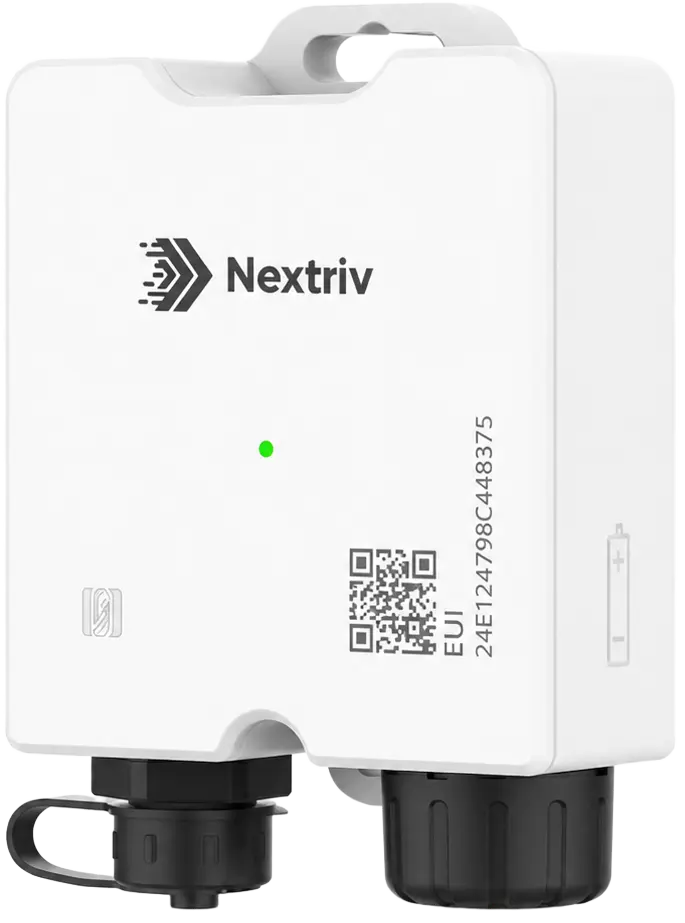
Nextriv Probe Solo
A logger with a detachable −40…+125 °C probe and EN 12830 certification — the standard for cold rooms and freezer chambers.
View product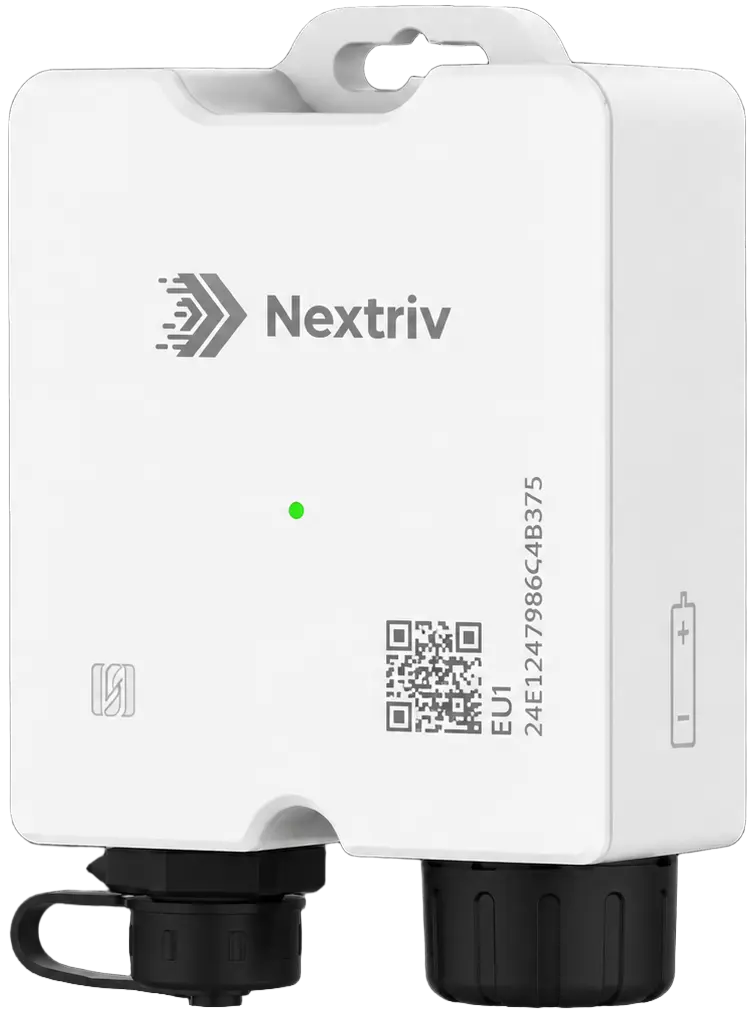
Nextriv Probe Duo
A temperature + humidity probe for ripening rooms and cold stores where humidity decides product quality. ±0.2 °C and ±2% RH accuracy.
View product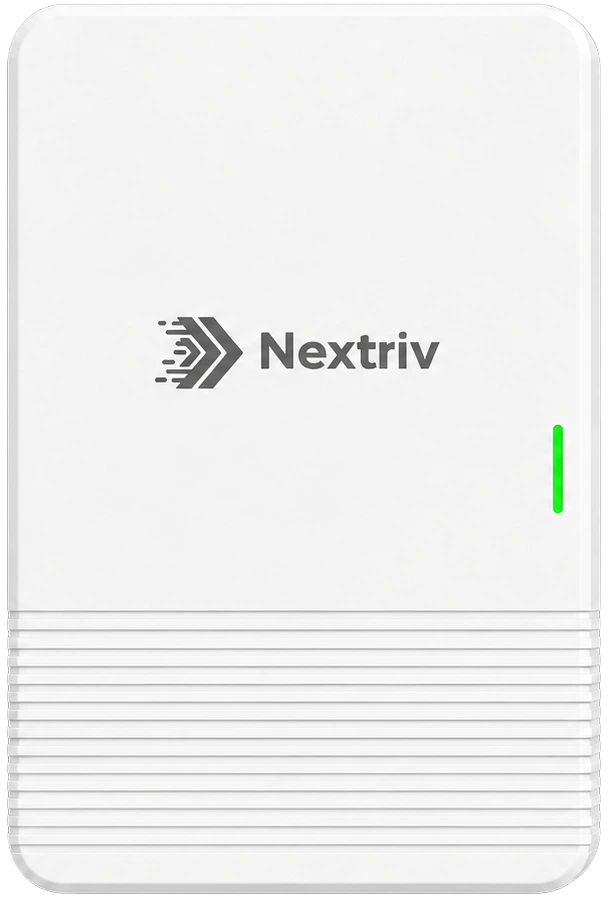
Nextriv Sense Industrial
An IP67 sensor in a food-grade housing with a magnetic version — attach it to the chamber's metal wall in seconds, no drilling.
View product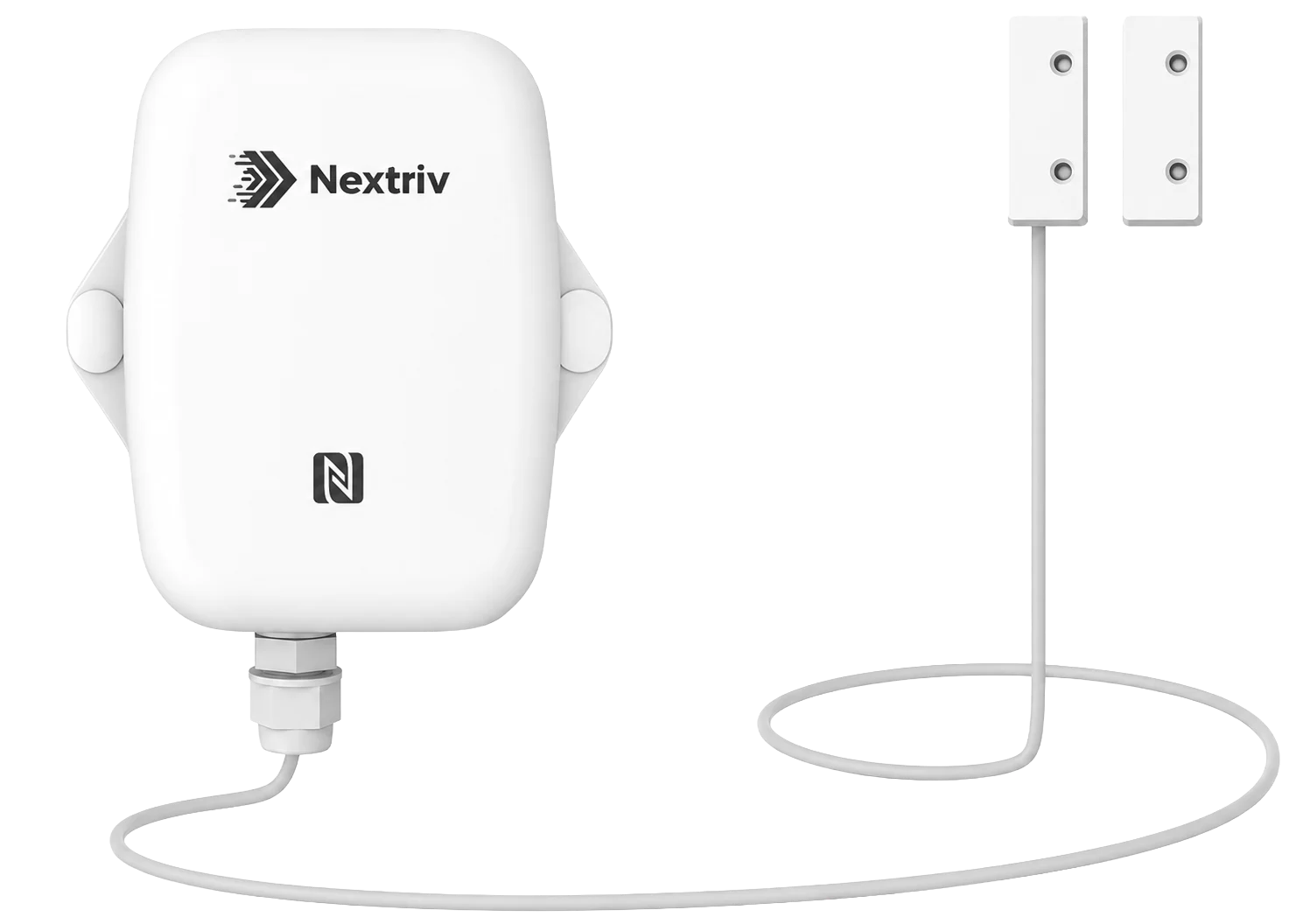
Nextriv Sense Contact
A door contact sensor with temperature and humidity measurement — detects a door left ajar before the temperature can rise.
View product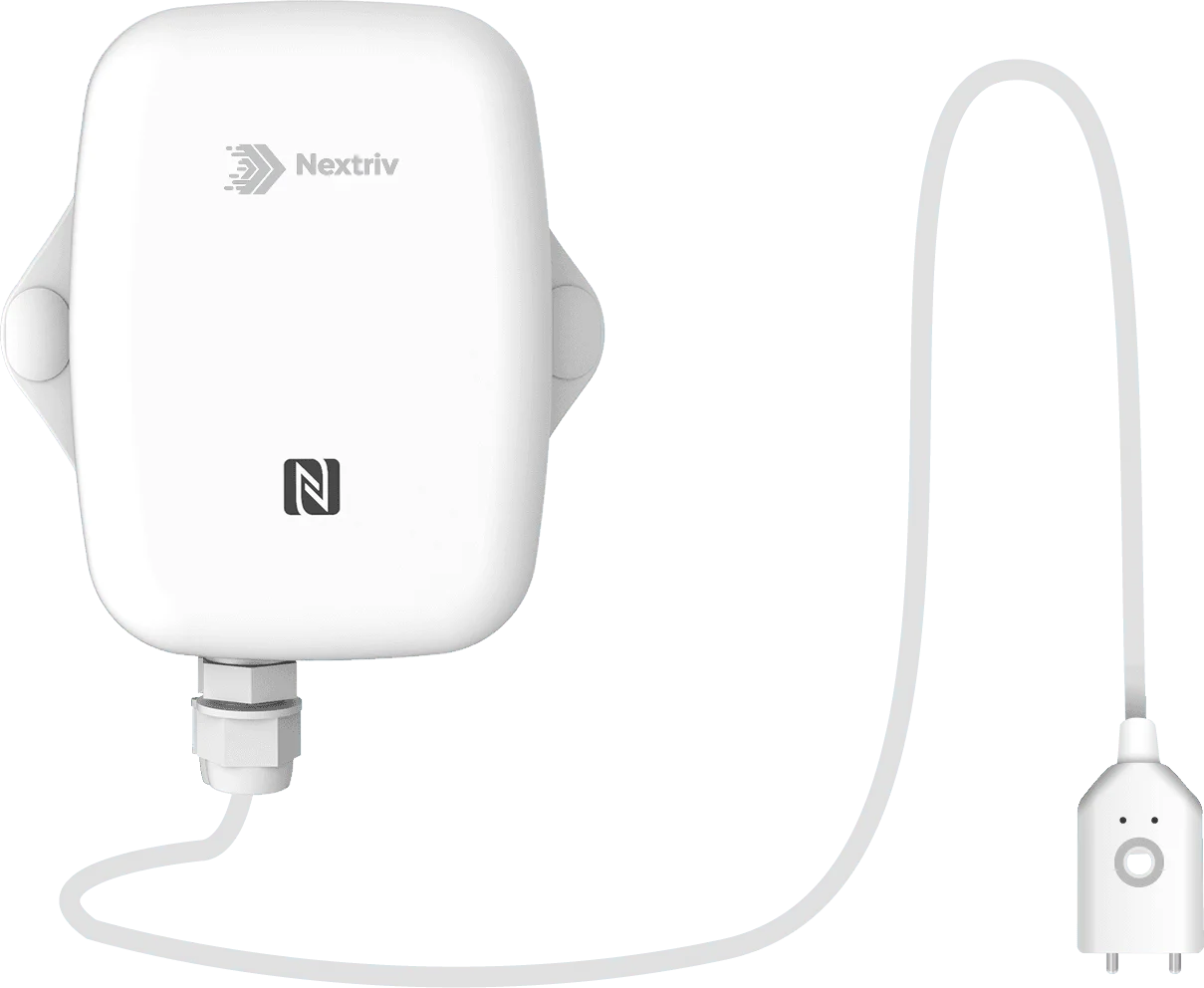
Nextriv Sense Leak Spot
Spot leak detection by evaporators, condensate drains and water lines — plus ambient condition measurement.
View product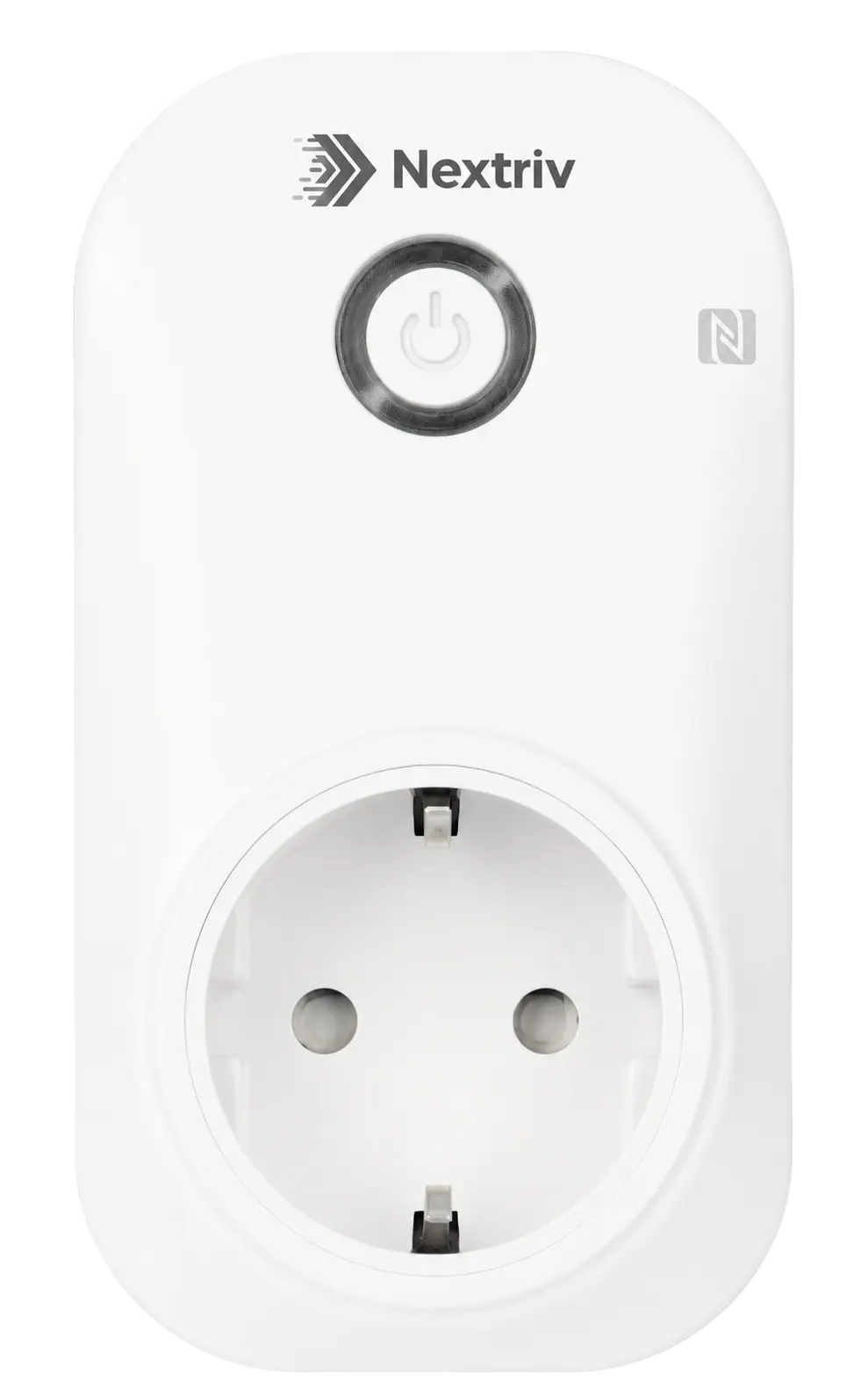
Nextriv Control Plug
Voltage, current, power and energy measurement for socket-powered equipment + remote switching and a power loss alarm.
View productFreezer unit failure at 2:00 am
The freezer must hold −18 °C or below. Four thresholds and an escalation that keeps going turn a silent failure into a handled event:
- If
The temperature in the freezer chamber rises above the warning threshold of −18 °C and then crosses the critical threshold of −15 °C.
- Then
The platform opens a critical event with an ALM code, sends an SMS and web push to the night shift worker, and the in-app sound alarm goes off.
- Escalation 1
No acknowledgement within 10 minutes — an SMS and email go to the warehouse manager.
- Escalation 2
After another 15 minutes the alarm reaches the “Management” group and the external refrigeration service (an external contact in the platform).
- Escalation 3
After the repair, once the temperature drops back below −18 °C, the system sends a recovery notification — the event with its full timeline stays in the history for the insurer and the auditor.
Compliance and standards
HACCP
HACCP requires monitoring critical control points — including storage temperatures — and records of corrective actions. Nextriv automates measurement, alarming and deviation documentation.
Regulation (EC) No 37/2005
Quick-frozen foodstuffs require temperature recording with instruments conforming to EN 12830. Probe loggers carry that certification, and the platform retains the record.
EN 12830
The certification for temperature recorders in transport and storage — held by Probe Solo, Probe Duo, Sense Essential and Sense Industrial.
BRCGS / IFS
Retail chain standards expect documented cold chain supervision and alarms on deviations. Continuous logging and PDF reports close that audit point.
Frequently asked questions
How does the SMS alarm work when a cold room fails?
For each chamber you set up to four thresholds (warning and critical, min/max). When a threshold is crossed, the platform opens an event with an ALM code and sends notifications on the channels you choose — SMS, email, web push, Teams, Discord or the in-app sound alarm. The escalation policy passes the alarm to successive people until someone acknowledges it.
Will a sensor survive −25 °C in a freezer?
Yes. With Probe loggers only the probe (rated from −40 °C) works inside the chamber, and the transmitter stays outside. Alternatively, Sense Industrial (IP67, food-grade housing) works entirely inside the chamber down to −30 °C and has a magnetic version for drill-free mounting.
What legal requirements apply to freezer temperature recording?
Quick-frozen food must be stored at −18 °C or below, with temperature recorded by instruments conforming to EN 12830 (Regulation (EC) No 37/2005). On top of that come HACCP and sanitary inspection requirements — Nextriv keeps the record automatically and generates a report for the inspection.
Will the record stay continuous if internet or power goes down?
Sensors are battery-powered (they run for years without mains power) and buffer measurements locally, resending backlogged data once connectivity returns — the history stays gap-free. The platform marks a gateway offline after 15 minutes of silence by default (the threshold is yours to adjust), so you also learn about a site power outage right away.
How many sensors do I need and where do I start?
Typically one temperature logger per chamber (two for large chambers — by the door and deep inside), a door sensor on every entrance and a leak sensor by the refrigeration unit. The FREE plan includes 10 sensors and 1 gateway at no cost — enough for several chambers to start.
Start monitoring today
FREE plan to start: 10 sensors, 1 gateway, alerts and PDF reports — no credit card required.