
Sense environmental sensors
Nextriv Sense Contactdoor and window contact sensor
SKU: NX-SN-MAG
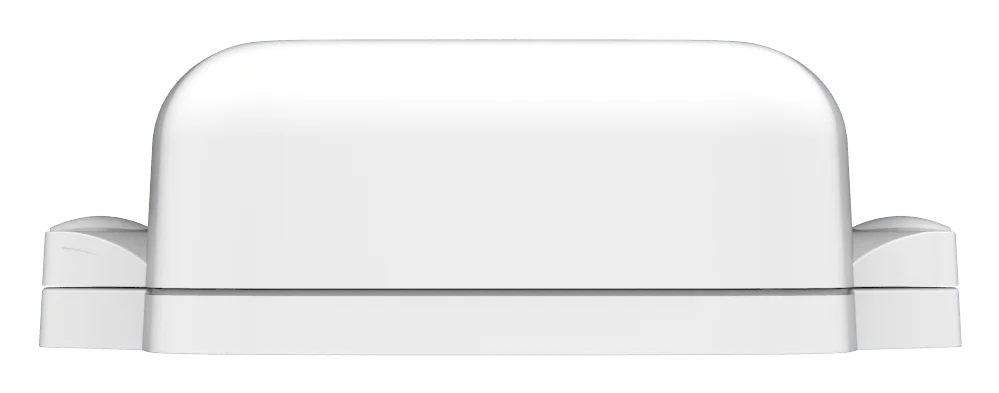
Door and window opening sensor with temperature and humidity measurement — three sensors in one. IP67 enclosure, over a decade of battery life.
€95net
VAT is added to the price.
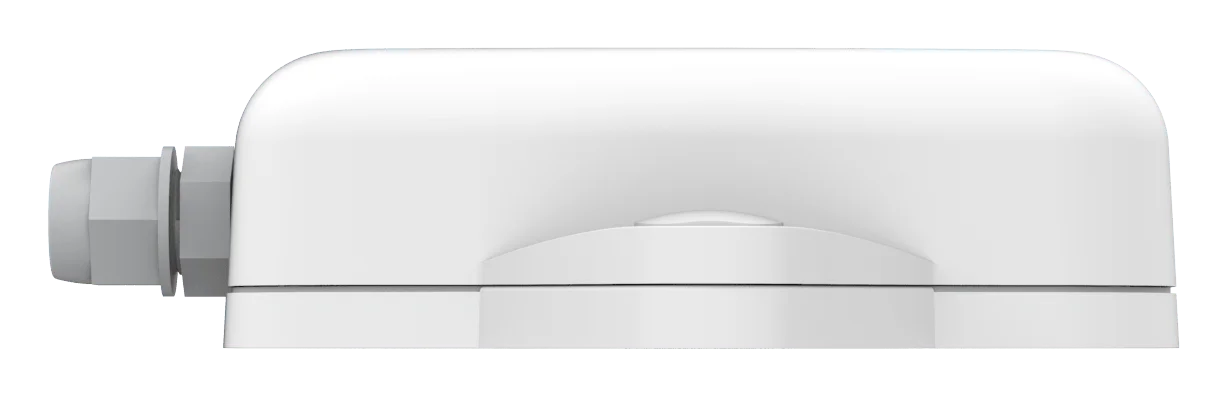
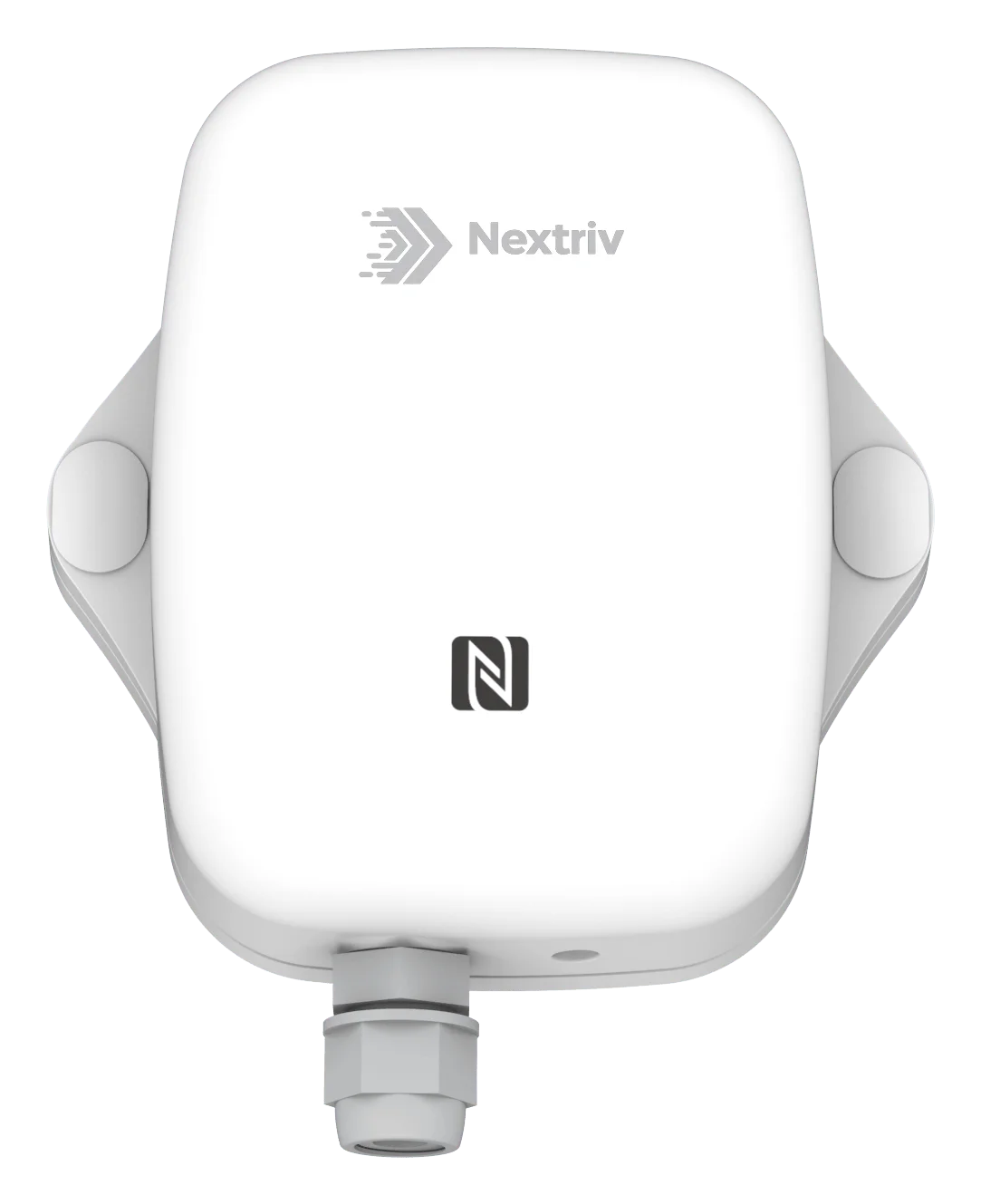
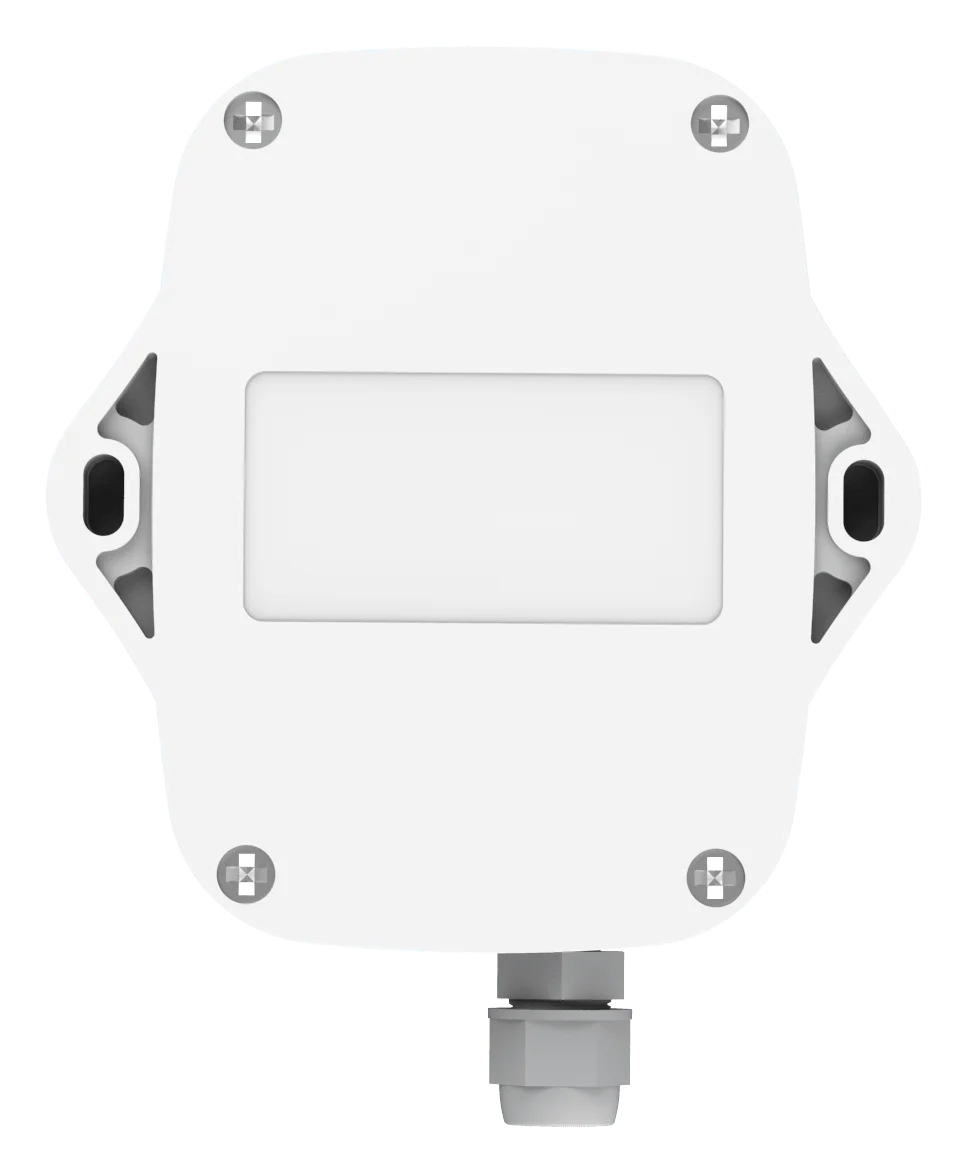
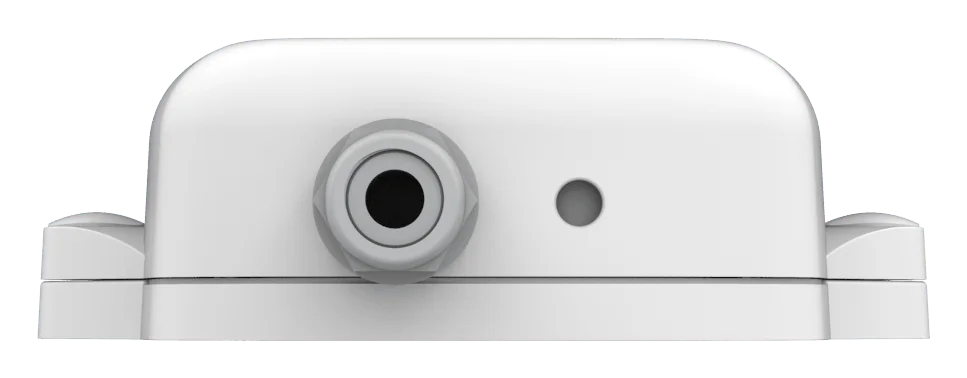
Description
- Three sensors in one enclosure
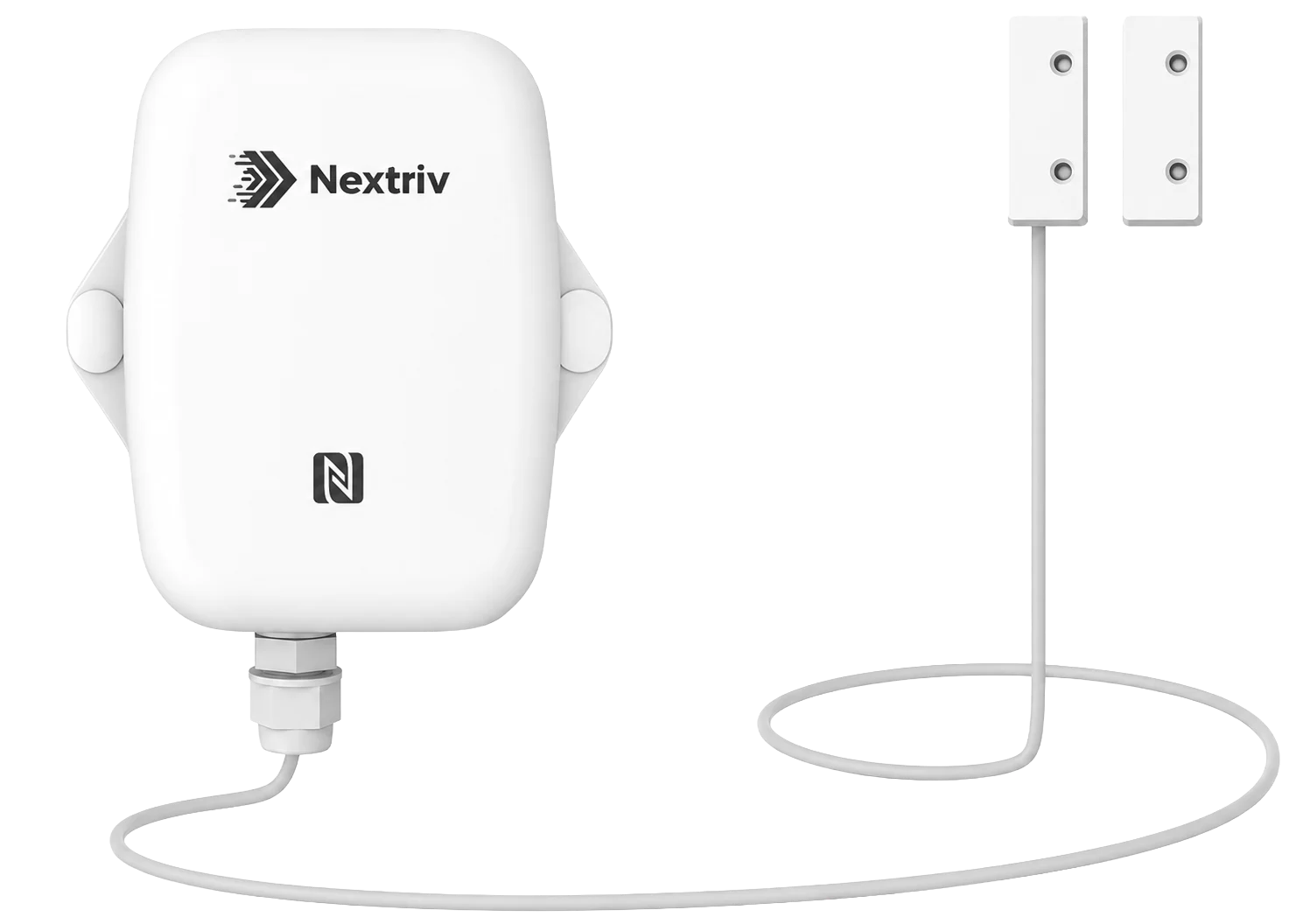
- Reed switch on a 1.5 m cable
- IP67 — works on outdoor gates too
- Tamper-proof opening log for audits
- Over a decade on one battery
What it's for
Nextriv Sense Contact answers the question every facility manager asks daily: "is that door closed — and who has been opening it?". It's a magnetic reed-switch sensor in an industrial edition: it detects the opening and closing of doors, windows, gates, cabinets and hatches and sends an alarm immediately. The key difference from consumer-grade alarm sensors is the UV-resistant IP67 enclosure — Sense Contact also works on an outdoor gate, a manhole cover or a cold-room door, where an ordinary alarm "puck" wouldn't survive a season.
The second design idea is a separation of roles: the detection element connects to the transmitter with a 1.5 m cable. The reed switch itself can be tucked in by the door leaf or in the frame, while the transmitter sits higher, in a spot with good radio propagation — solving the classic problem of sensors on metal doors and in basements. The magnet is made of zinc alloy, not brittle plastic.
The third pillar is "three sensors in one": besides the open/closed state, the device continuously measures temperature and humidity. On a cold-room door that means the full picture from a single installation: whether the door is shut, what the temperature inside is, and whether humidity betrays a gasket problem. A configurable interval and alarm repeat count let you match the behaviour to the scenario — from a single notification to insistent reminders until someone shuts the door. And in direct device-to-device mode, a door opening can itself trigger another device on the network — a light, ventilation, a relay — with no server involved.
The -30…70 °C operating range covers freezer rooms and sun-baked south-facing gates, and environmental measurement with ±0.3 °C accuracy is enough for cold-room supervision and damp detection. Long-range radio — up to approx. 2 km in built-up areas and approx. 15 km in open terrain — lets one gateway cover all the doors and gates of a sprawling site.
Use cases
- Server room and switchgear room: the sensor on the door logs every opening into a tamper-proof register (approx. 2800 events and readings). An opening outside the maintenance window means an immediate alarm on the administrator's phone.
- Cold room: a door left ajar is money leaking away. Sense Contact alarms about the open door and at the same time shows how fast the temperature is rising — one installation instead of three sensors.
- Outdoor warehouse gate: the IP67 enclosure shrugs off rain and frost; an alarm about the gate opening at night reaches security faster than their patrol round.
- School and office building: an open window during the heating season can — in direct trigger mode — turn down the radiator in that zone. Energy savings without involving a supervisory system.
- Street telecom cabinets: an opening log for cabinets scattered across the city, with an unauthorised-access alarm and a simultaneous view of the temperature inside the cabinet.
- Managed apartments and vacant units: the property manager sees every entry into an unused unit and at the same time watches humidity, so a developing damp problem doesn't go unnoticed.
Key features
- Three sensors in one enclosure: open/closed state + temperature + humidity — fewer devices, fewer batteries, one configuration.
- Reed switch on a 1.5 m cable, separated from the transmitter — detection at the door leaf, the antenna where the signal is.
- Magnet in a zinc-alloy housing — the part that cracks first in cheaper sensors.
- UV-resistant IP67 enclosure — fully fledged outdoor operation: gates, hatches, wickets, cold-room doors.
- A 20–30 mm magnet trigger distance — installation freedom even on warped frames and industrial gates.
- Configurable interval and alarm repeat count — from a discreet notification to escalation.
- A tamper-proof local register of approx. 2800 records + backfill after a connectivity outage — an access audit immune to "data gaps".
- Direct trigger mode for other devices (no server) — a door opening controls a light, ventilation or a relay.
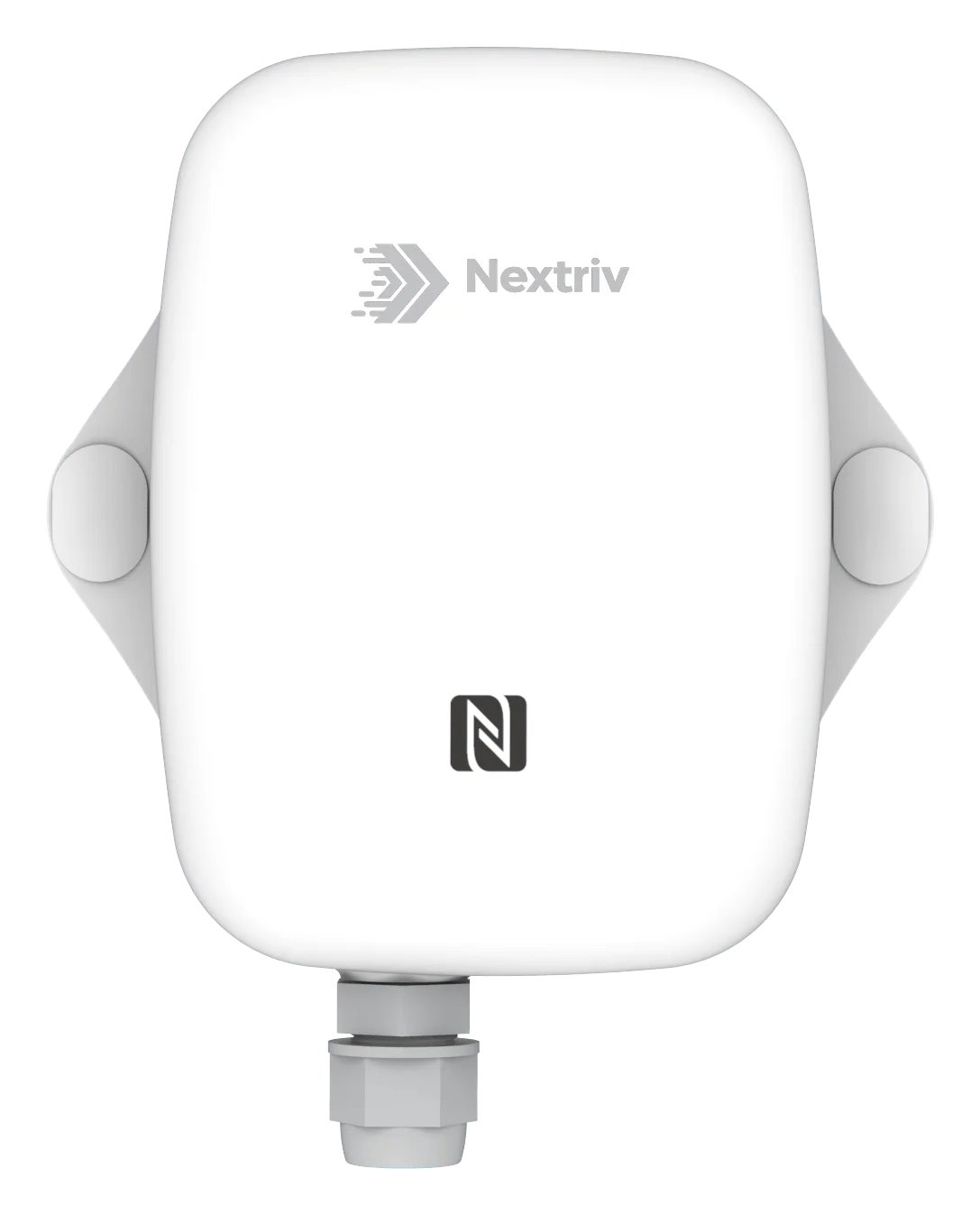
- Contactless configuration and activation via NFC — installation and commissioning with no tools and no opening of the enclosure.
In the Nextriv system
Every opening and every reading lands in the Nextriv platform: events get codes, statuses (active → acknowledged → resolved) and comments — the history shows not just that the door was opened, but who handled the alarm. Temperature and humidity each carry four thresholds (two warning, two critical), and notifications travel six channels — from an SMS for security to a card in MS Teams; the webhooks integration passes events to the customer's system. Rules and quiet hours filter out openings during working hours, leaving only the suspicious ones.
On the dashboards, the door status sits next to the chamber's temperature charts, and PDF reports plus XLSX/CSV exports document events for any period. No transmission for twice the reporting interval means offline status — sabotage or a drained battery won't go unnoticed. Reports can be scheduled — a recurring PDF with the opening history lands in the facility manager's inbox unprompted — and recipient groups route events to the right teams: security gets the gates, maintenance the cold rooms. The history reaches up to 5 years back, including for the purposes of investigations.
Typical deployments
- Data centers: an alarm at every door opening outside the maintenance window, with a tamper-proof access register.
- Cold storage: door status, chamber temperature and humidity — three measurements from one installation.
- Warehouses: control of gates and plant rooms with an auditable opening history.
- Buildings and healthcare: access supervision for switchgear rooms, medicine stores and restricted areas.
Specification
| Opening detection | high-sensitivity reed switch, triggers at 20–30 mm magnet distance |
|---|---|
| Reed switch connection | 1.5 m cable between the transmitter and the detection element — flexible installation |
| Temperature | -30…70 °C, ±0.3 °C (0…70 °C), ±0.6 °C below 0 °C |
| Humidity | 0…100% RH, ±3% (10–90% RH), ±5% outside that band |
| Connectivity | Long-range radio — up to approx. 2 km in urban areas / 15 km in open terrain |
| Power supply | 1× replaceable Li-SOCl₂ battery, 4000 mAh (optionally 8000 mAh) |
| Battery life | over 10 years with fast radio transmission; approx. 4.5 years with maximum-range transmission (10-min interval + 48 events/day) |
| Local buffer | approx. 2800 records + retransmission after a connectivity outage |
| Ingress protection | IP67, UV-resistant enclosure — outdoor operation too |
| Dimensions | transmitter 105.6 × 85.3 × 27 mm; magnet 31 × 14 × 7.5 mm |
| Mounting | screws or 3M tape (transmitter and magnet), cable ties (transmitter) |
| Configuration | NFC from the mobile app; configurable intervals and alarm thresholds |
Files
- Download
Nextriv Sense Contact — datasheet
pdfEN0.6 MBversion 1.0
Related products
Other devices from the same family.
Nextriv Sense Display
SKU: NX-SN-DISP
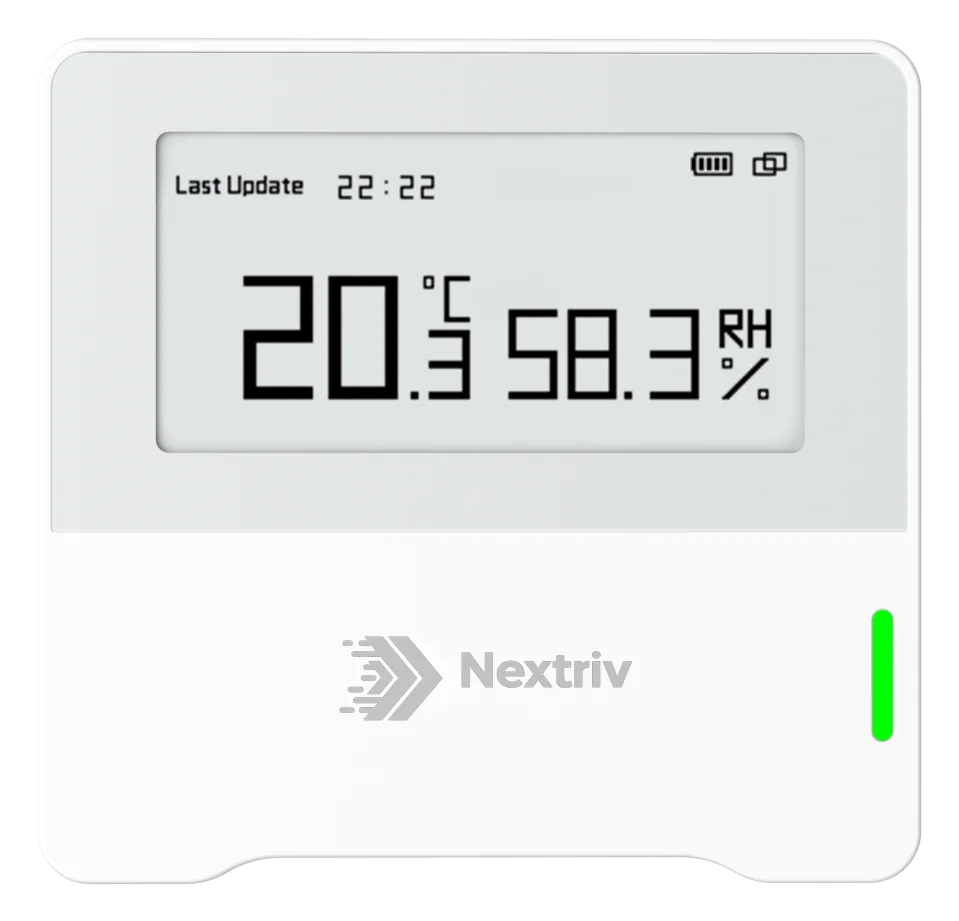
Temperature and humidity sensor with a 2.13″ e-ink display — readings on-site and in the Nextriv platform. Over 7 years on replaceable batteries.
- Temperature
- Humidity
Nextriv Sense CO₂
SKU: NX-SN-CO2
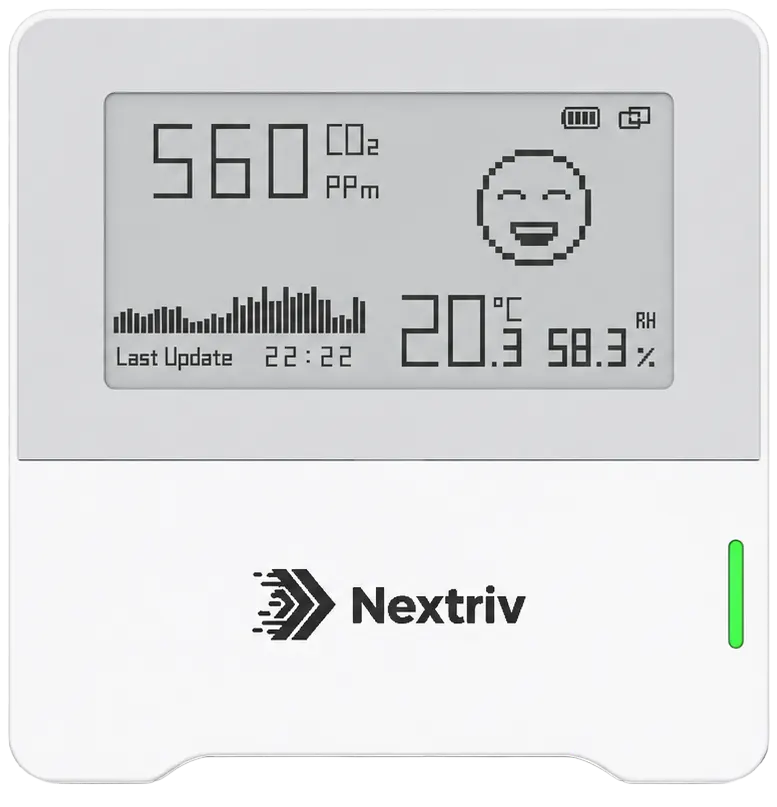
CO₂, temperature and humidity sensor with NDIR measurement and an e-ink display. Shows on the spot when to air the room — and sends the data to the Nextriv platform.
- Temperature
- Humidity
- CO₂
Nextriv Sense IAQ
SKU: NX-SN-AQ7
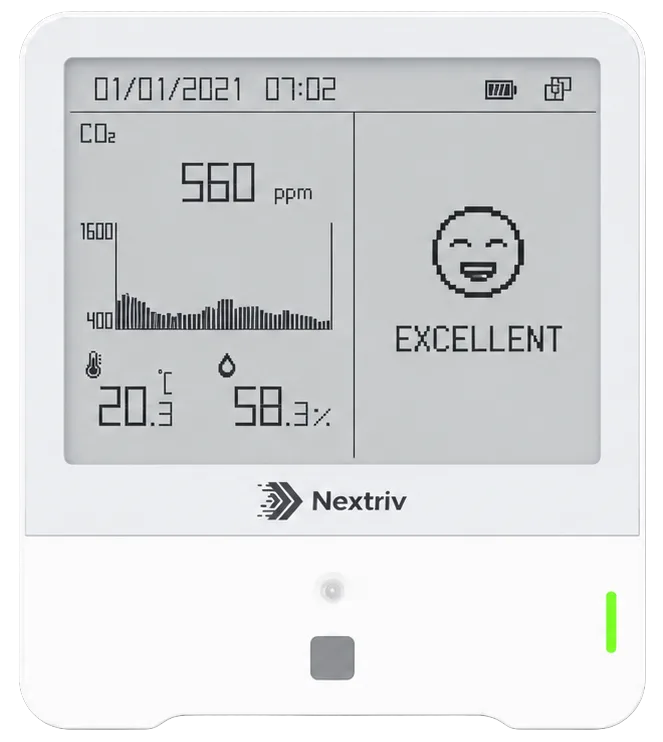
7-in-1 air quality station: temperature, humidity, CO₂, TVOC, pressure, light and occupancy — with a 4.2″ e-ink display and an 18,000-record buffer.
- Temperature
- Humidity
- CO₂
- TVOC
- +3
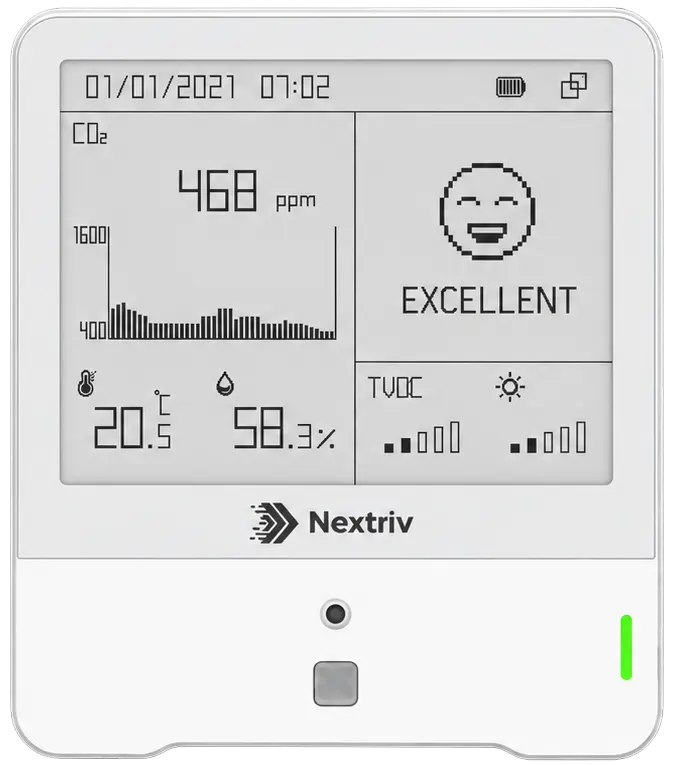
Nextriv Sense IAQ Comfort
SKU: NX-SN-AQ8C
8-in-1 climate monitoring with laser PM2.5/PM10 particulate measurement — the full picture of air health in facilities with elevated dust levels.
- Temperature
- Humidity
- CO₂
- TVOC
- +4
Not sure which set to choose?
Tell us about your facility and we'll match sensors and a gateway to the exact rooms you need to monitor — no unnecessary hardware.