Retail Temperature Monitoring — Cabinets, Cold Rooms and Store Networks
How to design retail food temperature monitoring: store zones, EU rules, air versus product measurements, alarms and multi-site supervision.
Zespół Nextriv4 min read
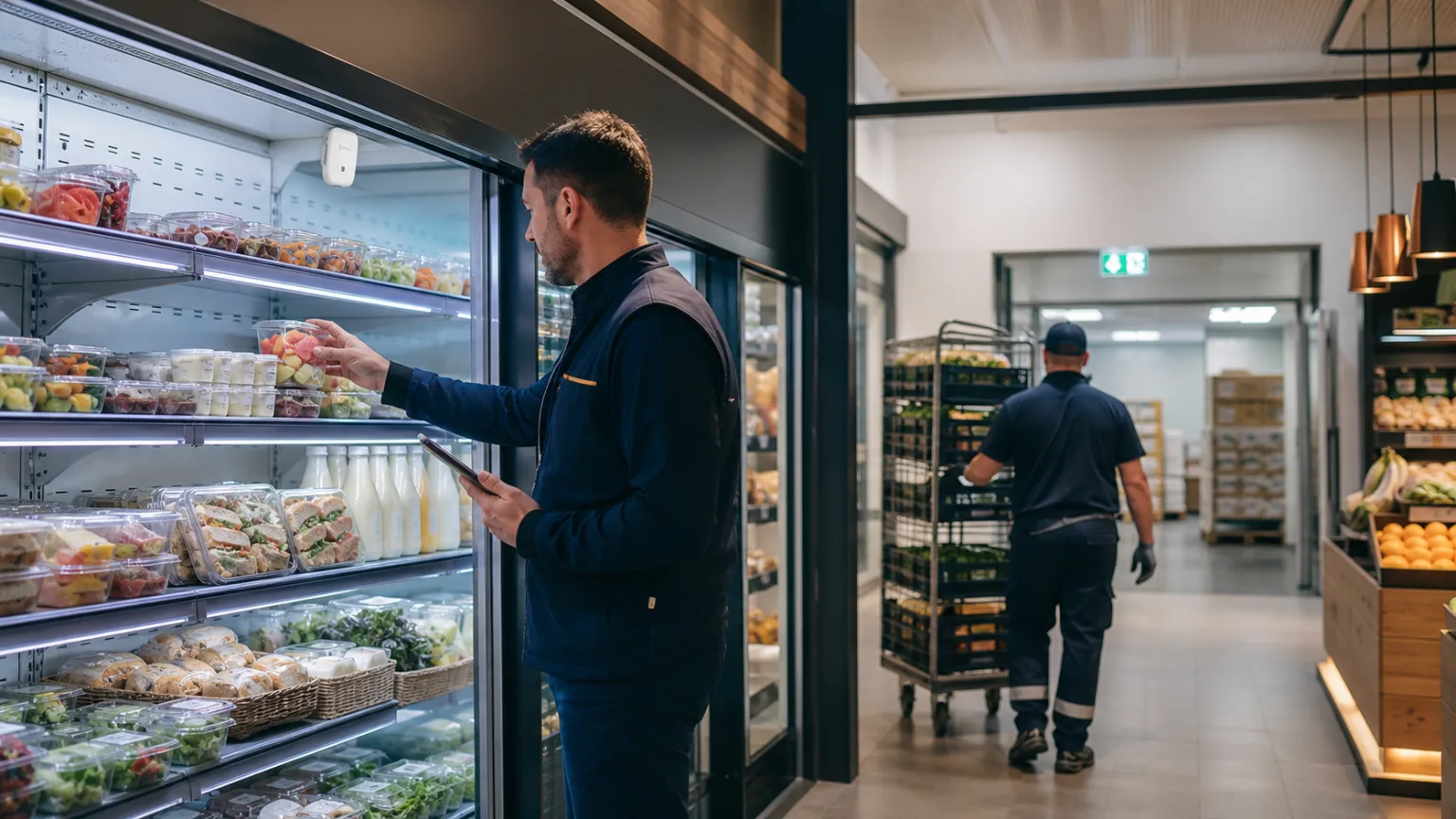
A grocery store does not have one temperature. A delivery waits at receiving, dairy moves to the back-room cold store, meat to a dedicated display, frozen goods to a freezer, and dry products to an ambient shelf. Each zone behaves differently and has a different consequence of failure. A condensing unit may be running while one cabinet still warms because its airflow is blocked, ice has built up, or a lid is not fully closed. A reading of “back room: 20 °C” says nothing about the safety of the stock in that situation.
Store monitoring should bring together three perspectives: the requirement of the specific product, the condition of the refrigeration equipment, and the human response. Only together can they answer whether conditions were appropriate and what happened when they were not.
The law does not assign one temperature to the whole store
Regulation (EC) No 852/2004 makes the food business operator responsible for hygiene and procedures based on HACCP principles. Where temperature matters to food safety, conditions must be controlled, and the cold chain must not be interrupted except for limited handling periods that do not create a health risk. The regulation does not, however, set one range for every retail product.
Numerical conditions may come from more specific legislation, the manufacturer's specification, and the store's HACCP system. Fresh meat, fish, frozen food, vegetables, and ready meals may have different requirements. Instead of copying a generic table, build a matrix: product category → required condition → equipment → monitoring method → action after a deviation. Our overview of food storage temperatures is a useful starting point, but site procedures must use the correct product documents.
Quick-frozen food is a specific case. Regulation (EC) No 37/2005 requires air-temperature recording during transport, warehousing, and storage, but provides a derogation for retail display cabinets: at least one easily visible thermometer. In an open cabinet, the thermometer is placed at the air-return side at the level of the clearly marked maximum load line. This is a minimum rule for a defined category and location, not proof that continuous retail records have no value. An automatic logger can warn earlier and reconstruct an overnight event in a way that a visible dial alone cannot.
Divide the store into risk zones
The first review is best performed by following the product route:
- Receiving. Transport conditions, packaging, and — where the procedure requires it — a representative product temperature are checked here. An acceptance measurement is a different task from continuous equipment monitoring.
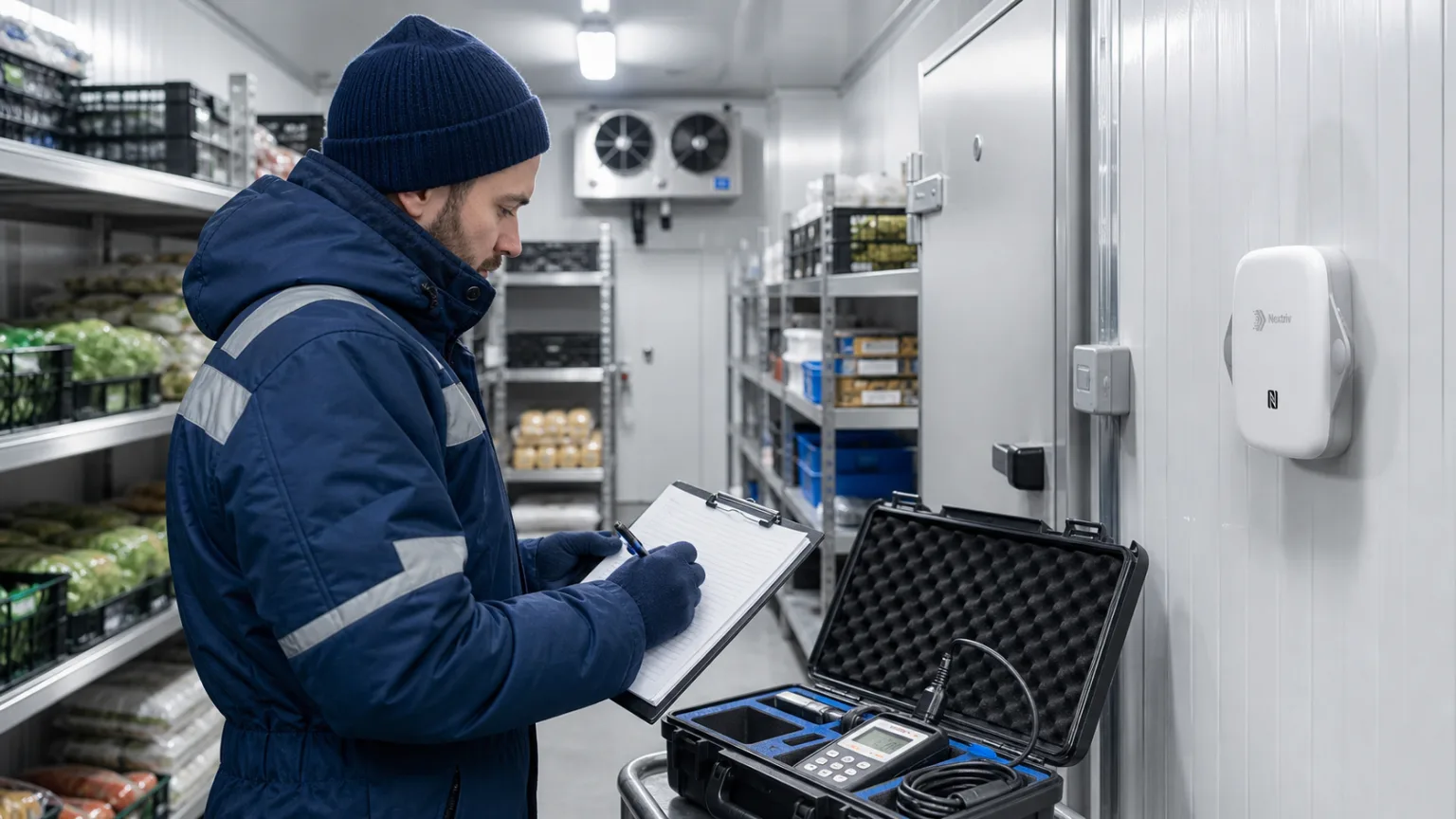
- Back-room cold stores and freezers. Doors open less often, but a failure can affect a high-value stock and remain unnoticed after closing time.
- Refrigerated displays. Customer traffic, loading warm stock, obstructed airflow, and defrost cycles all influence them.
- Island freezers. Product arrangement and the maximum load line affect air circulation. A sensor cannot correct poor loading, but its trend may reveal the consequence.
- Ambient shelves. They are normally outside the cold chain, yet some goods still have manufacturer-defined temperature or humidity limits.
- Food-service counter. A store that prepares or holds hot and chilled food needs a separate HACCP assessment and measurements suited to that process.
This division helps identify critical control points and distinguish a CCP from an ordinary control point. Not every cabinet has to be a formal CCP, but every material-risk zone needs a defined owner, monitoring frequency, and corrective action.
Air temperature and product temperature are not the same
A permanent sensor in a cabinet normally measures air. It can therefore show a refrigeration failure, an opening, defrost, or blocked circulation quickly. Food has thermal inertia and changes temperature more slowly. A brief air spike does not automatically condemn a batch, just as normal air does not prove that a warm delivery has already cooled.
A product measurement — surface, between packs, or penetration — has a separate method, accuracy, and hygiene implications. Staff should not randomly pierce saleable food, and an equipment-sensor reading must not be treated as core temperature. Receiving and deviation procedures should state when air history is sufficient and when a product measurement or manufacturer decision is needed. Our guide to commercial fridge and freezer sensors explains the equipment choices.
Where to place a permanent sensor
The best location follows from equipment design and verification of the temperature distribution. The probe should not touch the evaporator, sit directly in the cold-air jet, or hang beside a lamp. In an open cabinet, the return-air path and maximum load line are important; in a closed cabinet, choose a point representative of the warmest usable area. A probe cable must not prevent the door seal from closing.
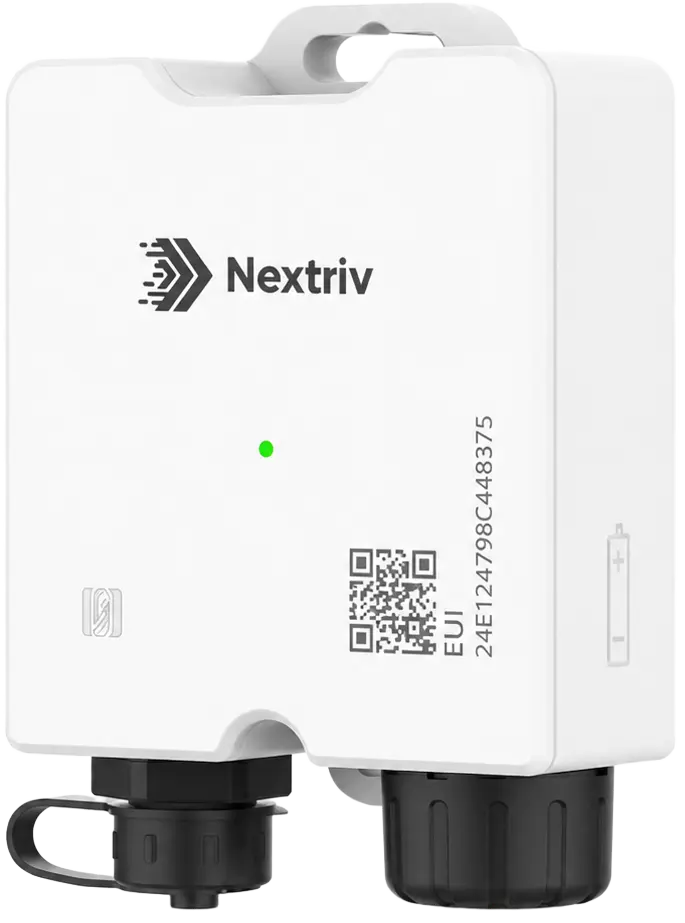
Nextriv Probe Solo allows the transmitter to remain outside a metal cabinet while the wired probe sits inside. Its local buffer stores 4,000 measurements and retransmits them when connectivity returns. This backfills the record, but does not replace a response plan for internet, gateway, or power failure. Each site still needs verified coverage, a notification path, and an on-call owner.
An alarm must lead to an action
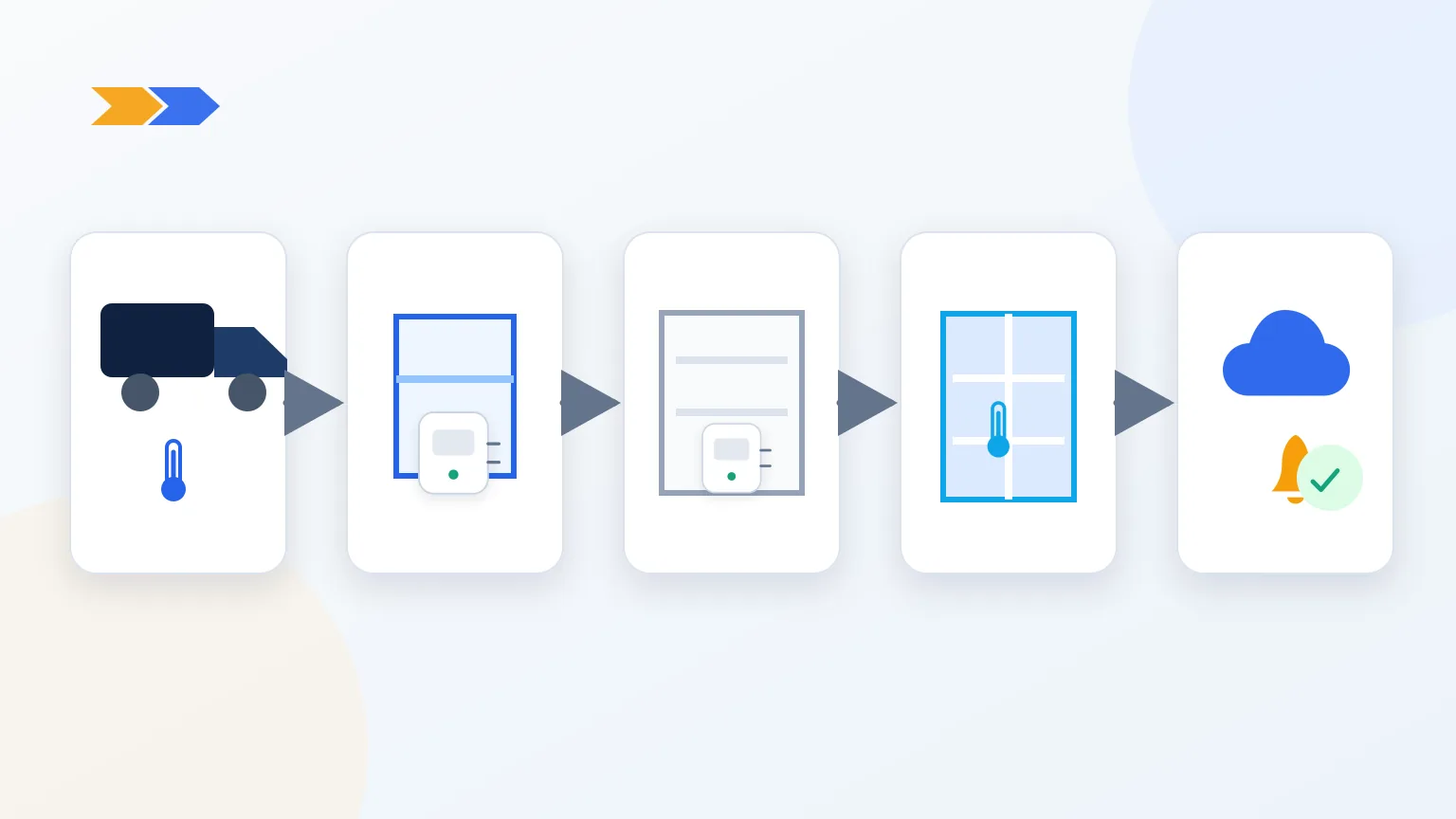
Critical limits follow from the product and HACCP plan, while warning thresholds should allow time to intervene. It is useful to separate low and high alarms and warning from critical levels. Thresholds must not be so tight that every defrost cycle creates an alarm which staff learn to ignore. The equipment's normal pattern should be understood, and any exceptions justified and documented.
An alarm procedure may include:
- checking whether a door or lid is fully closed,
- inspecting the load and air path,
- comparing with a second point or the equipment display,
- moving stock to functioning equipment,
- recording the time, value, and actions taken,
- having an authorised person assess the product after an excursion.
The system should not pronounce a batch safe by itself. An event colour describes a measurement rule; a food decision requires exposure time, product type, product temperature, and the applicable procedure. This monitor–respond–document sequence follows the logic of HACCP temperature monitoring.
The store responds locally; headquarters sees the pattern
In one shop, fast action by the person on site matters most. A chain gains a second benefit: comparability. Shared equipment names, threshold templates for the same categories, and an automatic temperature log allow headquarters to see that one cabinet repeatedly departs from its normal pattern or that overnight alarms at one site remain unacknowledged.
This does not mean copying thresholds without review. Different equipment models, products, and loads may need different settings. Headquarters defines the standard and escalation path, while each store confirms placement and limits during commissioning. In this way, retail-chain monitoring combines local responsibility with one view across all equipment — without pretending that an air reading automatically decides the fate of food.