
Hub gateways
Nextriv Hub Solarsolar-powered 4G radio gateway
SKU: NX-GW-SLR
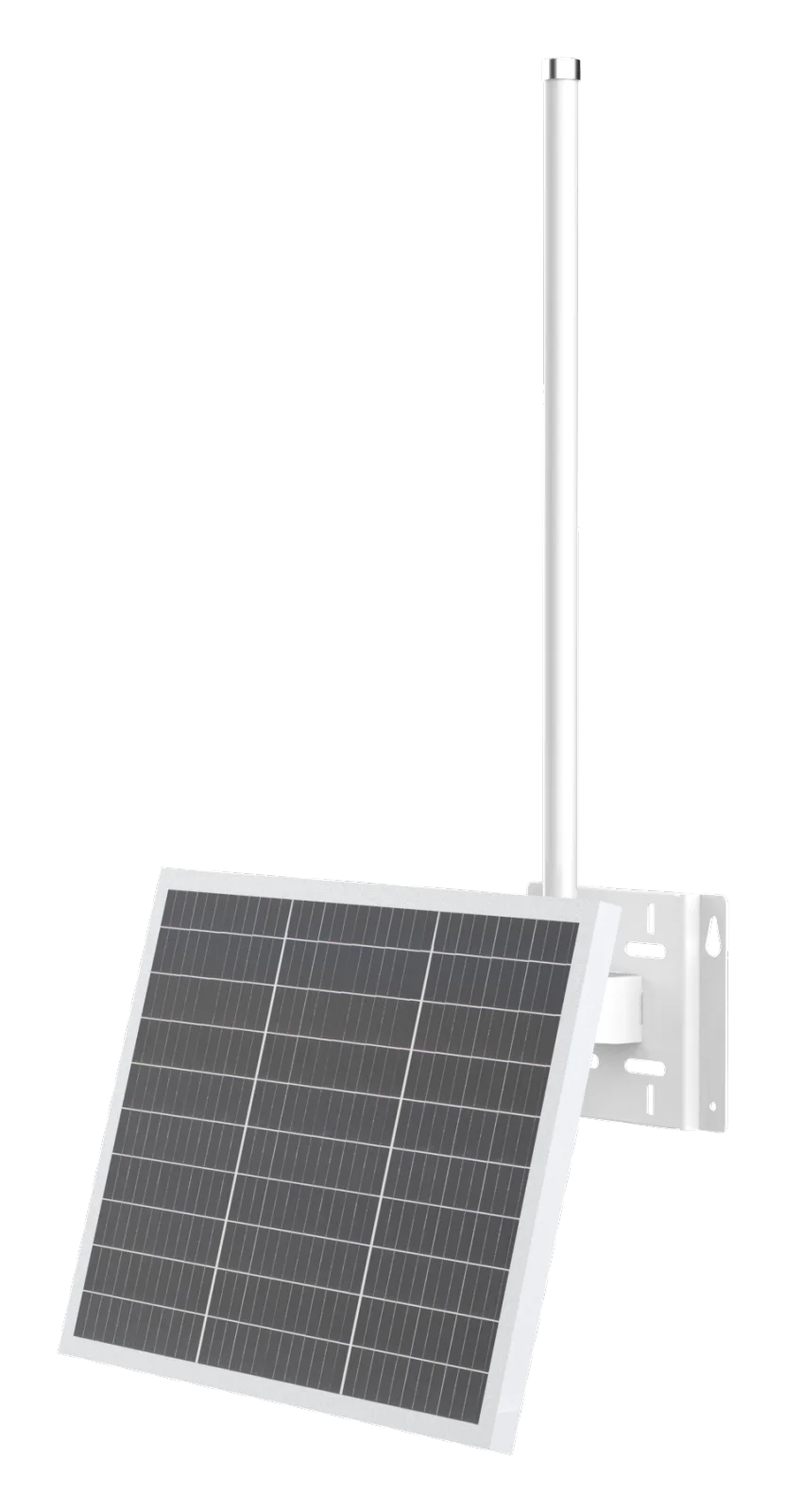
Autonomous radio gateway powered by a solar panel, transmitting over 4G — a Nextriv network where there is no mains power or Ethernet. A 25 Ah battery gives up to 4 days of operation without sun.
€933net
VAT is added to the price.
Description
- Energy from the sun, transmission over 4G
- Up to 4 days of operation without sun
- Power draw of just approx. 0.8 W
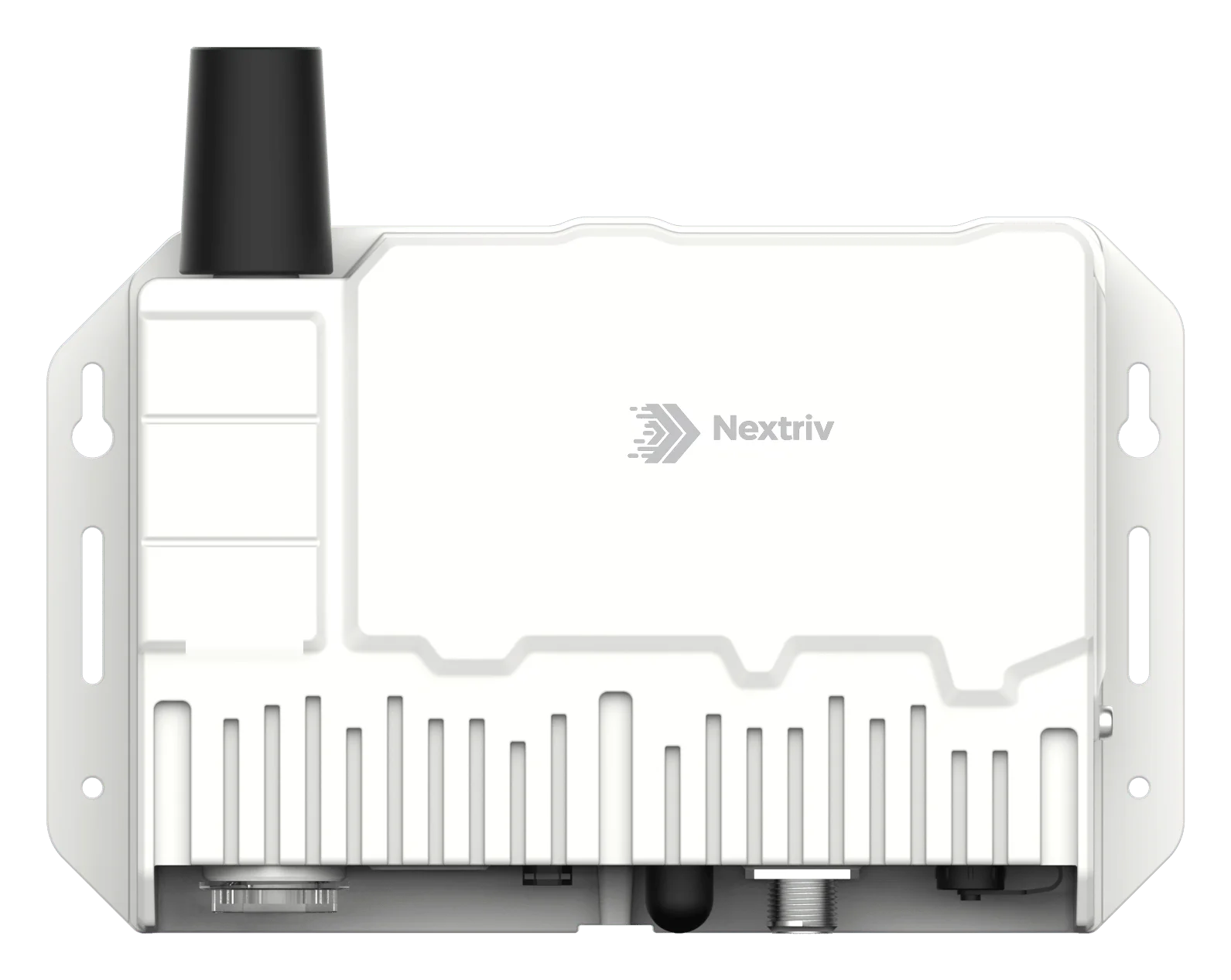
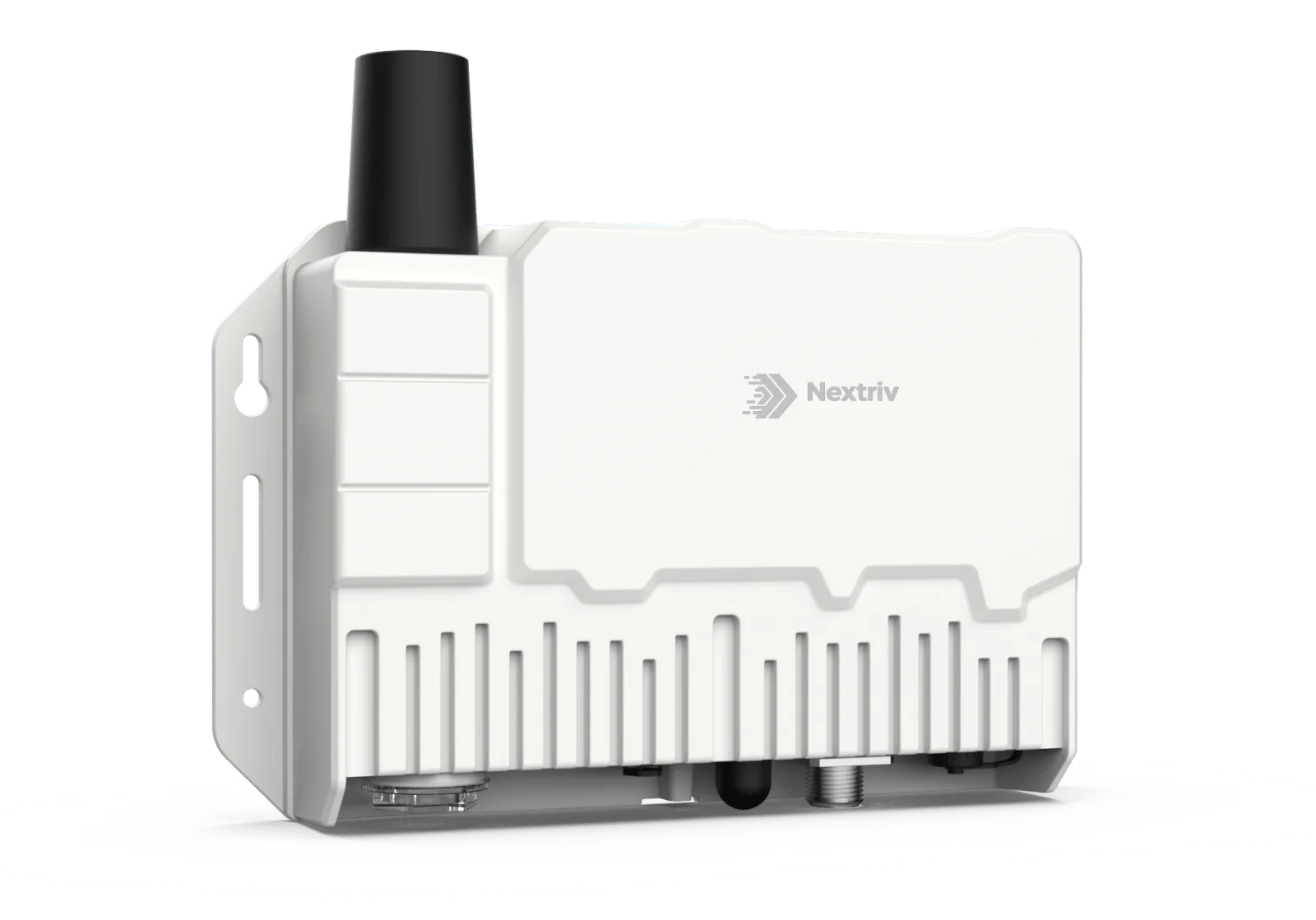
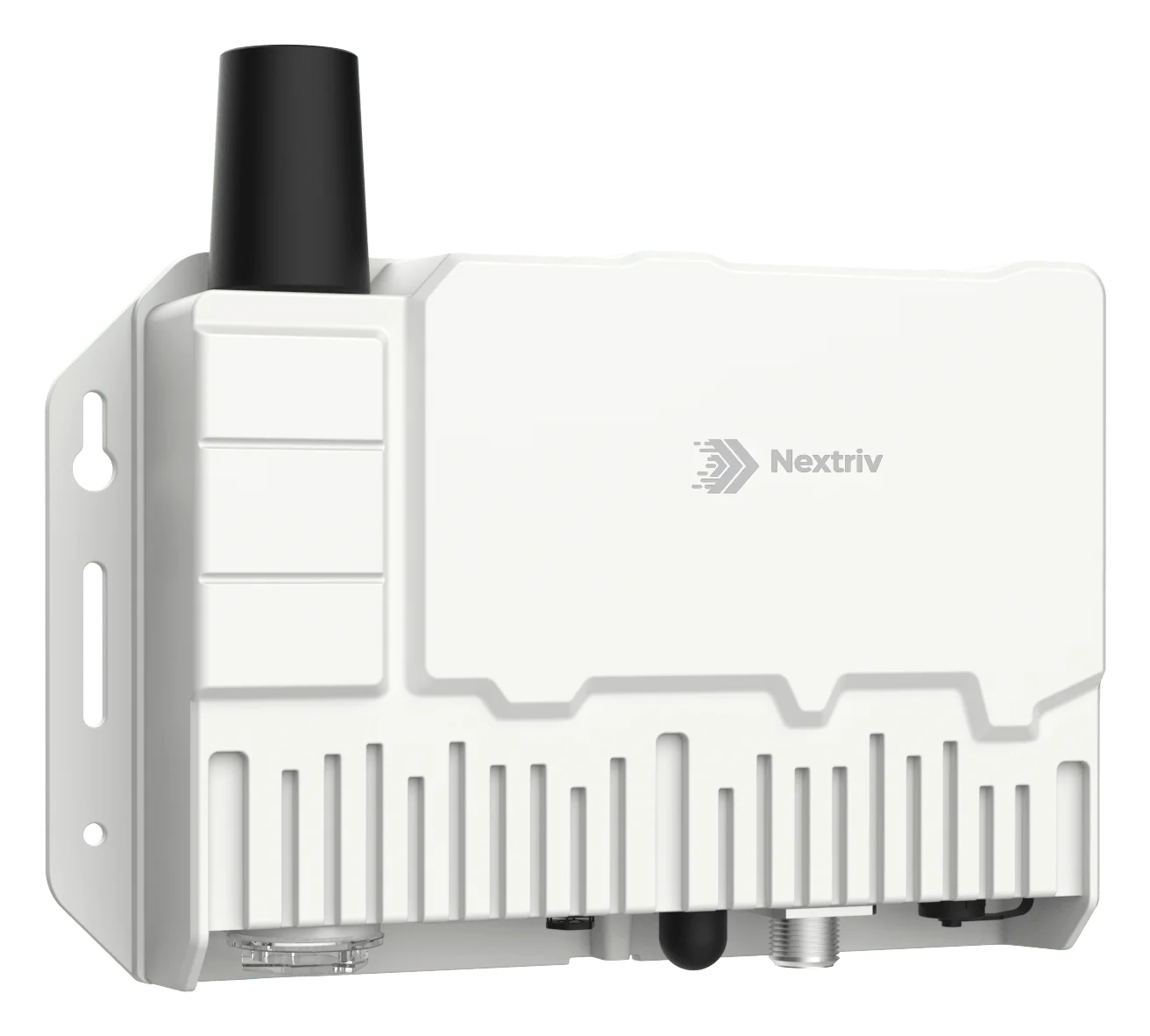
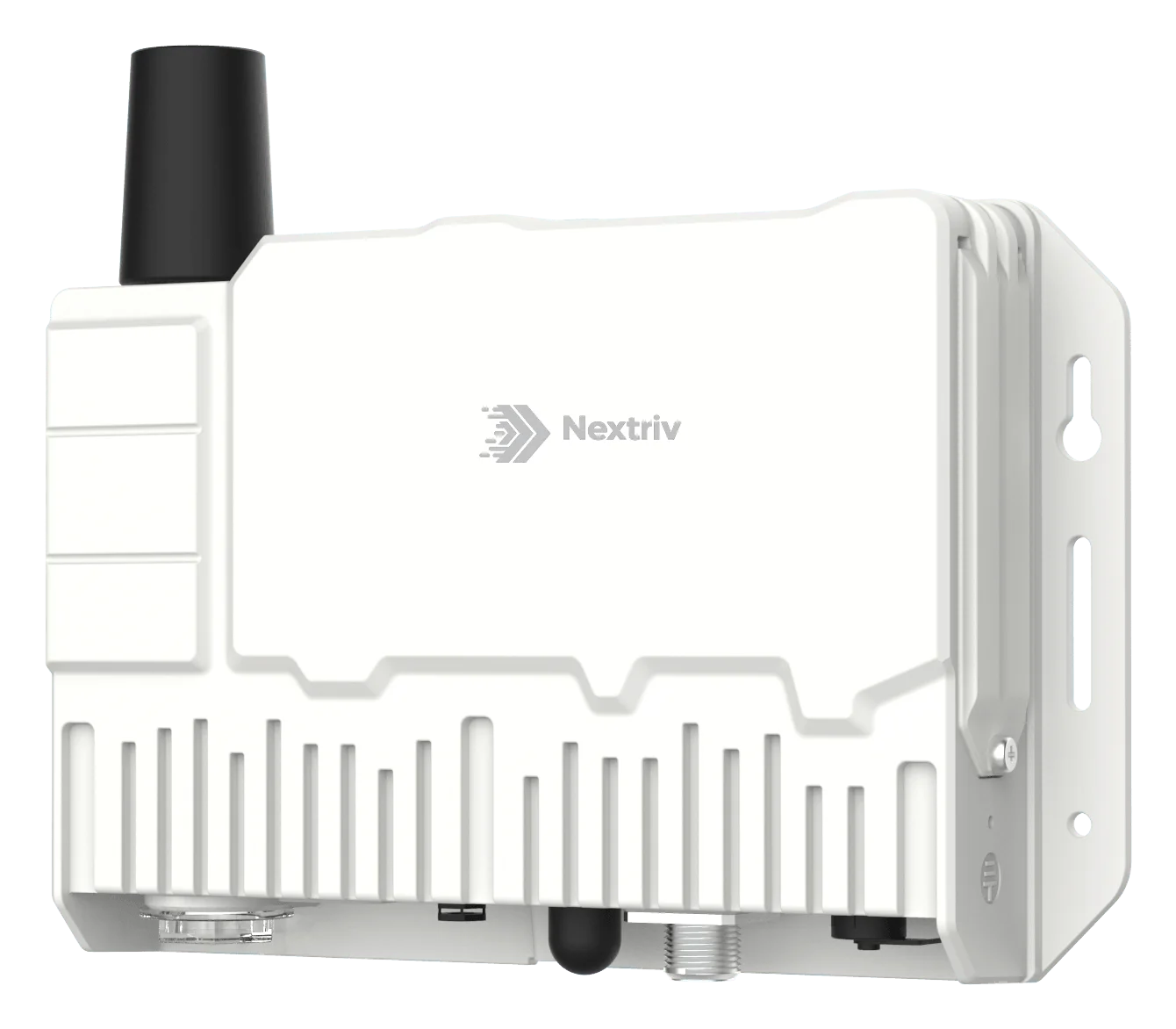
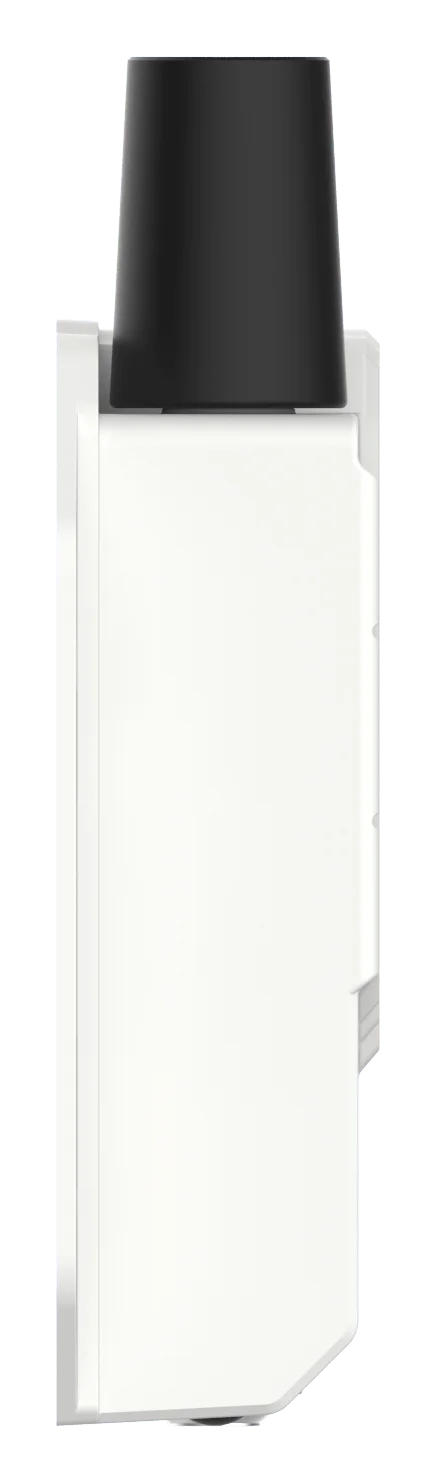
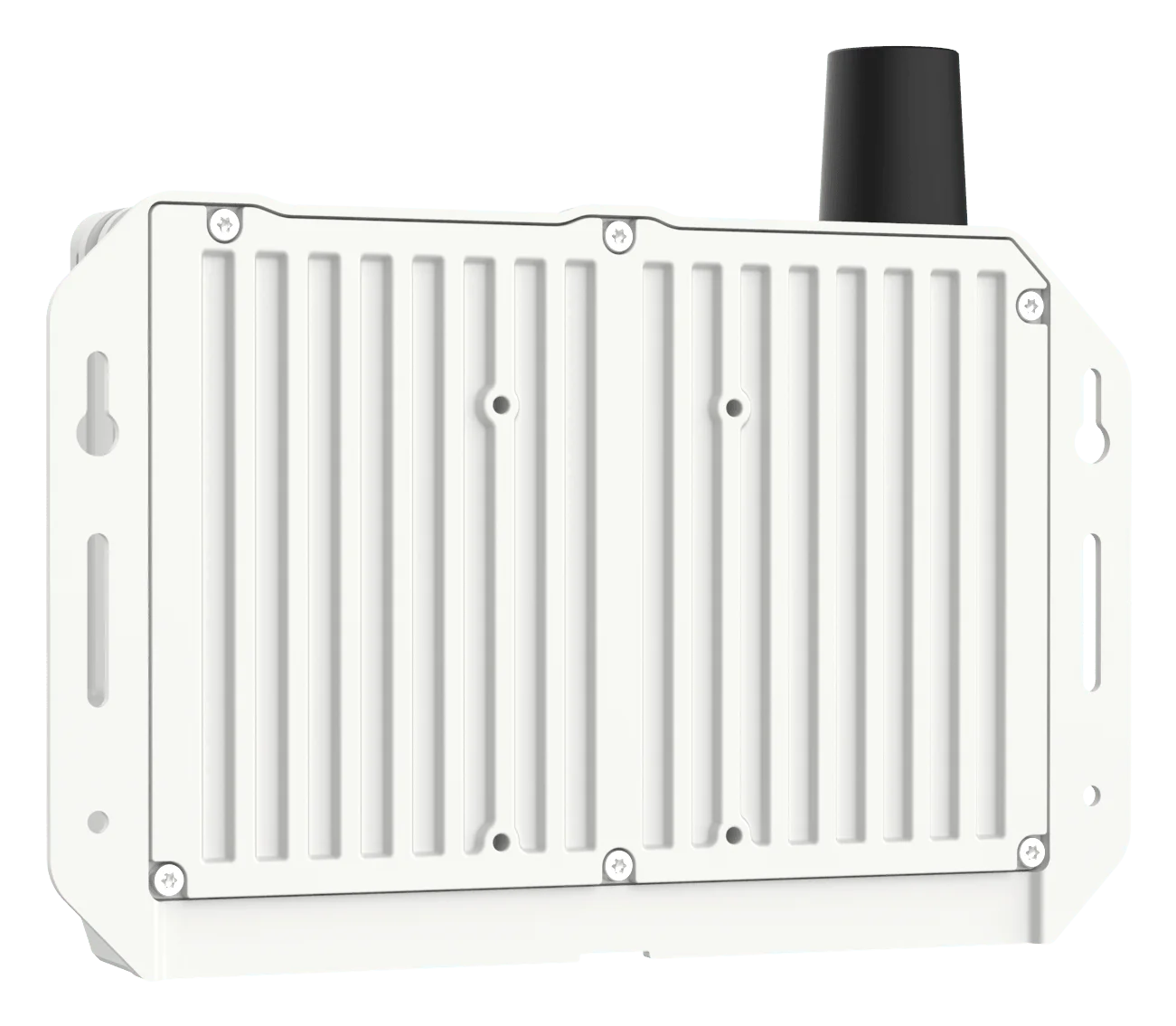
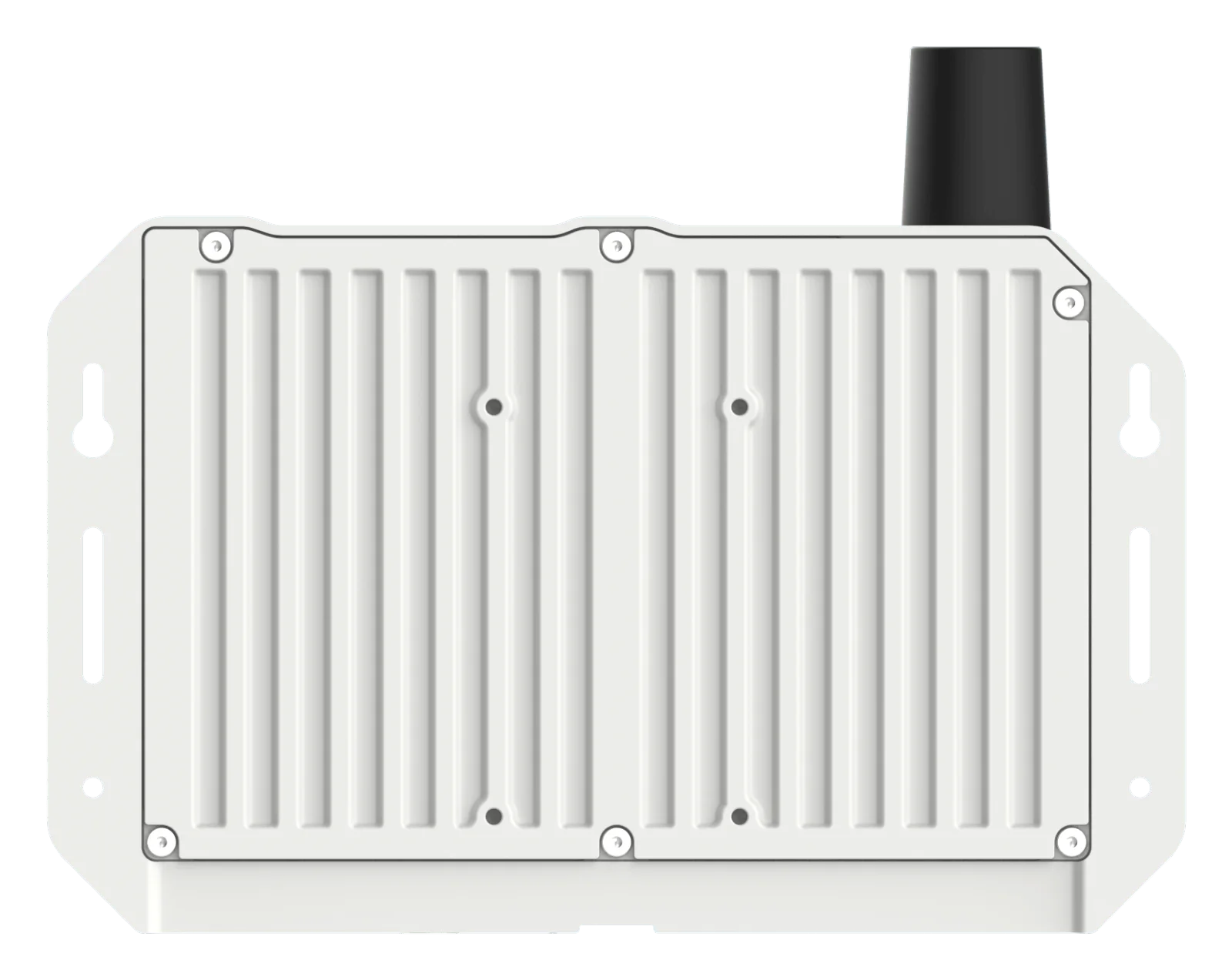
- Mast-ready IP67 aluminium housing
- Replaceable 25 Ah battery pack
What it is for
The Nextriv Hub Solar answers the question that used to kill many projects: "and where do we get power out there?". This gateway typically consumes 0.8 W — more than a dozen times less than classic outdoor gateways — draws its energy from a 30 W solar panel and sends data over the 4G cellular network. The result: a fully fledged Nextriv access point in places with neither a power socket nor Ethernet — a forest, a pipeline, a field, a construction site. Connectivity on the far edges, powered by sunlight.
The entire design is subordinated to energy management. The charging circuit dynamically adjusts the current to the battery temperature to squeeze the most out of every hour of sun; battery heating keeps charging going on cold days; the configuration Wi-Fi switches itself off when energy runs low and comes back once recharged; and a packet filter screens out unnecessary traffic, saving both energy and cellular data. The replaceable 25 Ah battery pack delivers up to 4 days of operation entirely without sun at a typical load.
Nor is it any kind of radio compromise: -140 dBm sensitivity, up to 27 dBm output, 8 channels, range up to 15 km line of sight and around 2,000 devices in packet-forwarding mode — the same figures as the big network gateways. The die-cast aluminium IP67 housing, with a built-in heatsink, grounding screw and vent plug, withstands -30 to +70°C, and the built-in GPS lets you remotely locate and manage a distributed fleet of gateways.
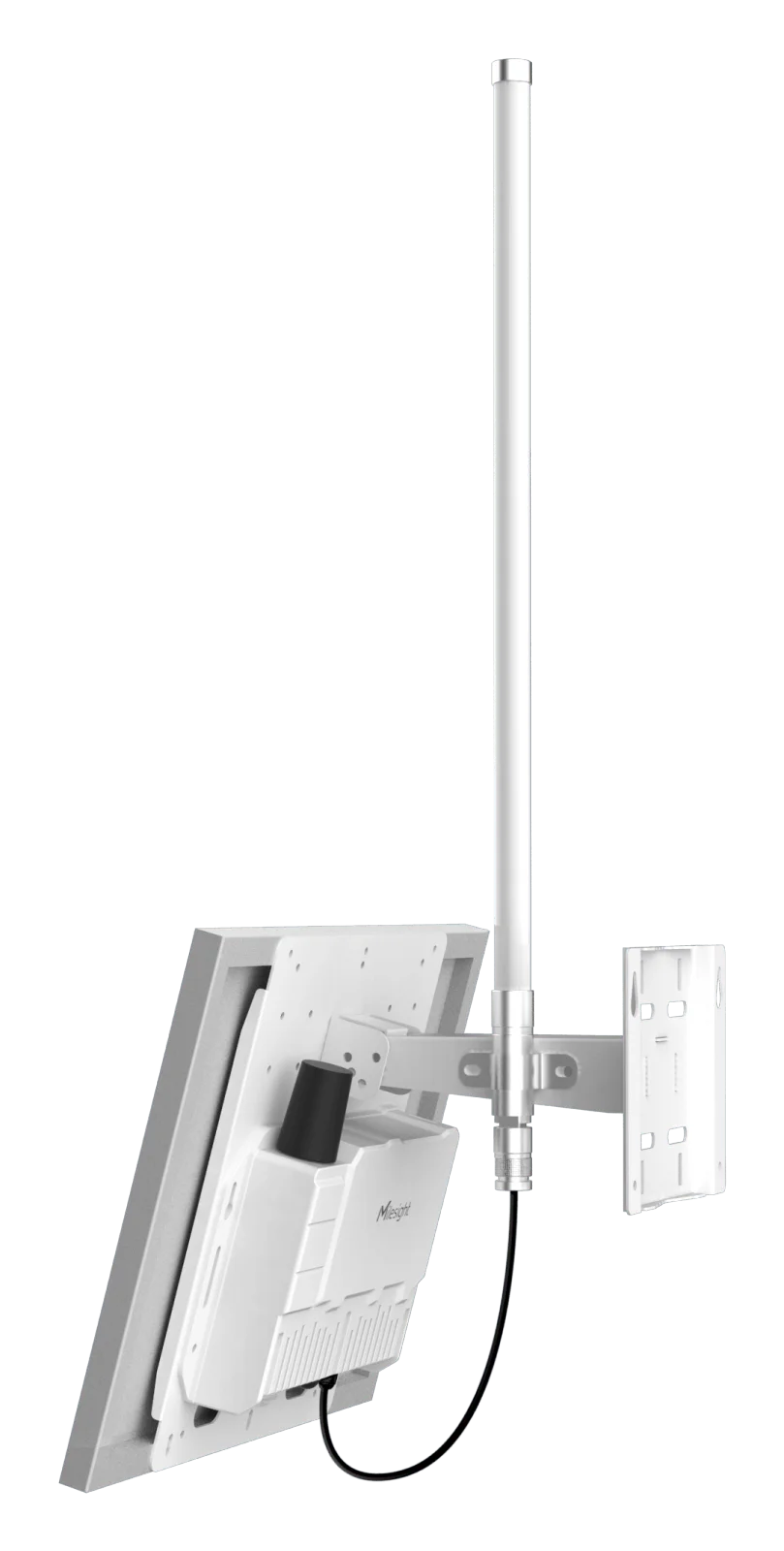
Installation is literally: mast, two clamps, panel, SIM card — done. And since the gateway isn't chained to any utility connection, you can take it down after the season and move it, sensors and all, to the next site.
Usage scenarios
- Forestry district and protected area: a gateway on a mast with a panel collects data from litter-moisture sensors and weather stations hundreds of metres from the nearest road — wildfire early warning without running any infrastructure.
- Pipeline and wellhead: pressure and flow monitoring at points kilometres away from any power; the gateway lives off the sun, reports over 4G, and GPS confirms which location has just checked in.
- Seasonal agriculture: a soil-sensor network set out in spring and packed up after harvest — the gateway moves with the crop, because it isn't tied to any utility connection.
- Construction site: temporary monitoring (structural sensors, weather, excavation flooding) without waiting for a power connection: put up a mast, bolt on the panel, insert a SIM card.
- Water management: level sensors in watercourses and retention reservoirs in areas without power; up to 4 days of autonomy without sun covers the overcast spells.
- Open-pit mine and industrial site under construction: point infrastructure where the power grid is only just being built — the gateway works from day one of the project.
Key features
- Ultra-low power draw: typically approx. 0.8 W — the whole design is optimised for solar power, not a "gateway with a panel bolted on".
- Smart charging: current adjusted to battery temperature; battery heating keeps charging going at low temperatures.
- Replaceable 25 Ah battery pack — up to 4 days of operation without sun; after years of service you replace the pack, not the device.
- Automatic energy management: configuration Wi-Fi switches off at low battery and returns after recharging; the packet filter cuts unnecessary traffic and 4G data costs.
- Fully wireless deployment: energy from the sun, transmission over 4G (nano SIM card) — zero cabling, zero utility connections.
- Built-in GPS — remote location and inventory of distributed gateways.
- Die-cast aluminium IP67 housing with a heatsink, grounding screw and vent plug — outdoor without compromise.
- Built-in network server (up to 100 devices) with MQTT integration — a small, autonomous network runs with no intermediary infrastructure at all.
- 30 W panel as standard with a 45 W option — the energy margin matched to the site's sunlight; alternative 12–24 V DC supply (e.g. from a solar streetlight installation).
- Configuration over Wi-Fi from a dozen or so metres away (no climbing the mast), automatic provisioning on first start-up, a VPN client and data retransmission after connectivity gaps.
In the Nextriv system
The Hub Solar brings remote terrain into the same platform where the rest of the system lives: sensors register automatically, their metrics get four alarm thresholds each (warning and critical min/max), and notifications flow over six channels — from an SMS for the foreman in the field to a card in MS Teams; the webhooks integration passes events on to a dispatch system. Dashboards with nearly 20 widget types place field data next to building data, and PDF reports and XLSX/CSV exports cover it all.
The platform supervises the gateway itself too: status on the gateway widget, an offline alert after 15 minutes of silence and data retransmission after connectivity gaps — a momentary loss of 4G coverage doesn't punch a hole in the measurement series. Management is fully remote, so the only reason to go back up the mast is to move the gateway for the next season.
Typical deployments
- Large-scale and seasonal agriculture: a soil-sensor network with the gateway in the middle of the fields, relocated after harvest — see our agriculture solutions.
- Forestry and water management: environmental monitoring in areas without infrastructure, transmitting over 4G — more in our agriculture solutions.
- Mining, oil and gas: telemetry for installations far from power, with remote access — explore our manufacturing solutions.
- Construction sites and temporary projects: monitoring from day one of the project, without a power connection — details in our manufacturing solutions.
Specification
| Solar power | 30 W panel included (optionally 45 W), monocrystalline cells; alternatively 12–24 V DC (M12 connector) |
|---|---|
| Battery | 3.6 V / 25,000 mAh, replaceable pack; up to 4 days of operation without sun (typical load) |
| Power draw | typically approx. 0.8 W — a design optimised for solar power |
| Backhaul | 4G LTE Cat 1 / GSM (nano SIM) — fully wireless operation, no Ethernet port |
| Radio | 8 channels, -140 dBm sensitivity, up to 27 dBm output, 868 MHz band (EU) |
| Capacity | approx. 2,000 devices (packet forwarder); built-in network server for up to 100 devices with MQTT |
| Range | up to 15 km line of sight, approx. 2 km in built-up areas |
| GPS | built-in — remote location and management of distributed gateways |
| Housing | die-cast aluminium, IP67, 250 × 157.5 × 46 mm, approx. 1.8 kg with batteries |
| Operating conditions | -30…+70°C (battery charging -20…+50°C), 0–95% humidity |
| Mounting | mast or wall; brackets, clamps and panel kit included |
Related products
Other devices from the same family.
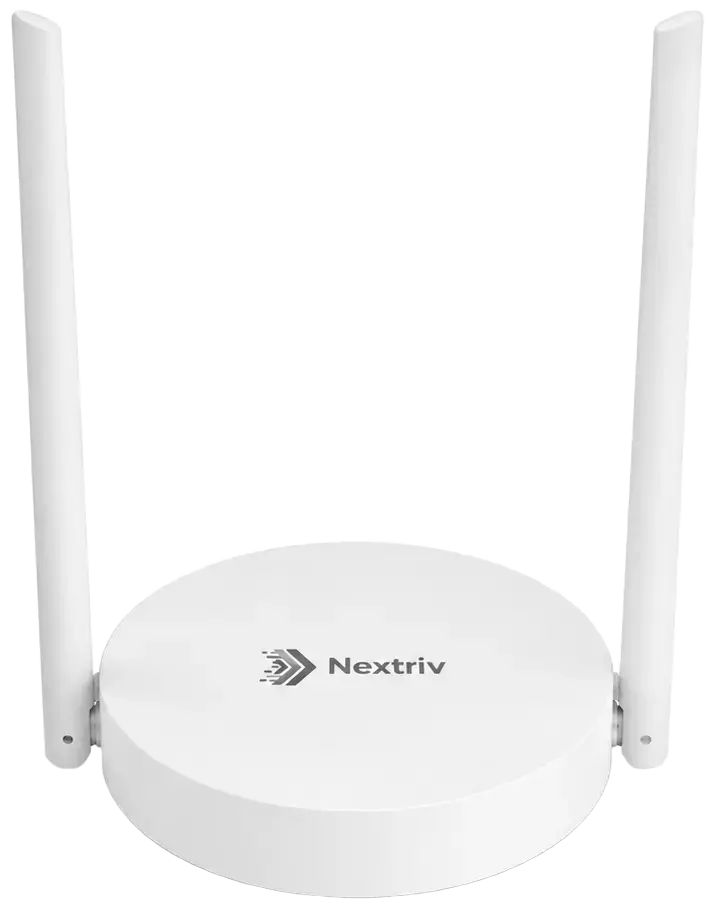
Nextriv Hub Mini
SKU: NX-GW-MINI
Lightweight 8-channel indoor radio gateway — the simplest way to start a Nextriv network. Discreet housing, USB-C or PoE power, optional 4G modem; handles up to approx. 2,000 devices.
€204 netView product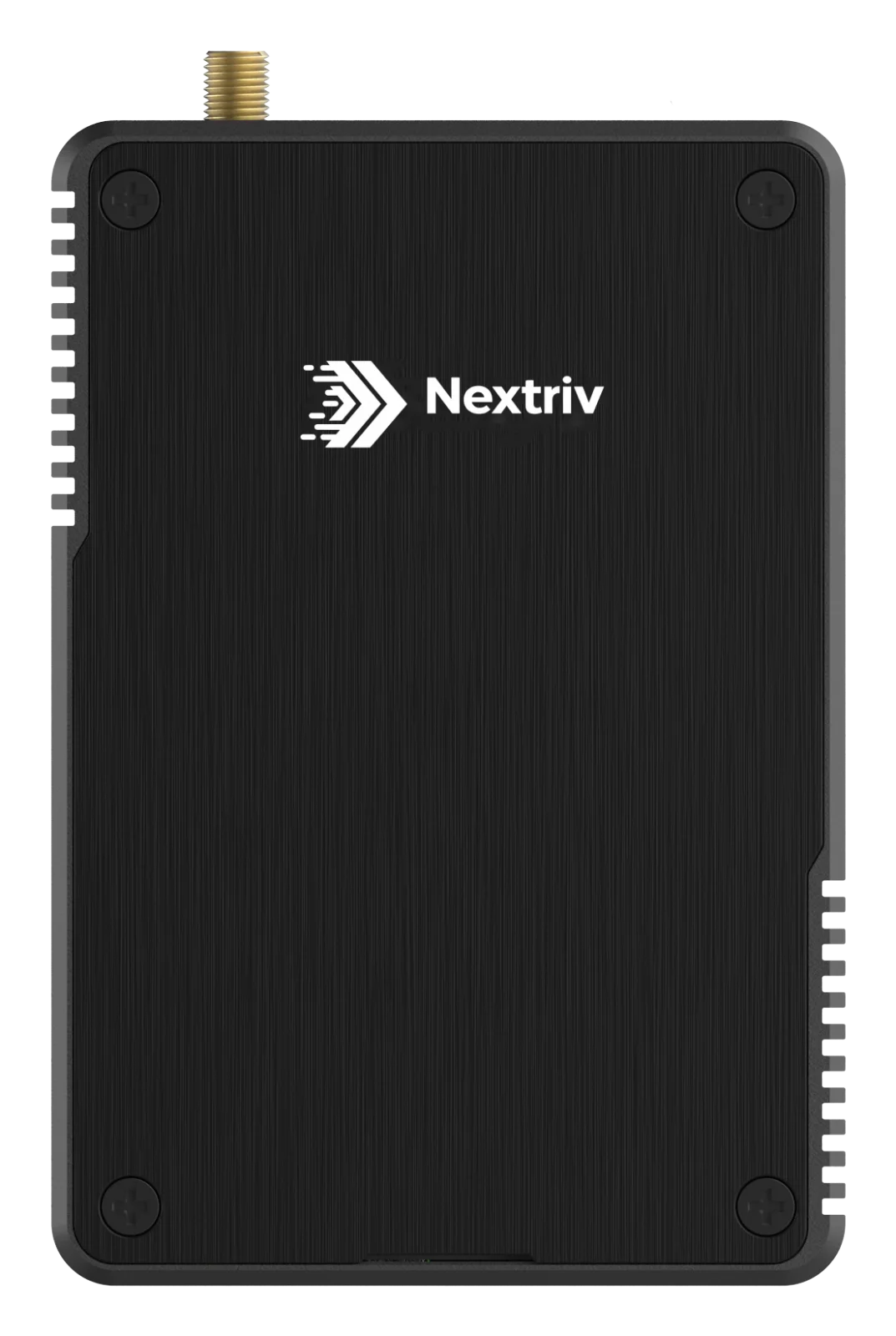
Nextriv Hub Compact
SKU: NX-GW-CPT
Industrial indoor radio gateway in a metal housing with DIN-rail mounting. Handles approx. 2,000 sensors and feeds data into your BMS over BACnet/IP and Modbus.
€422 netView product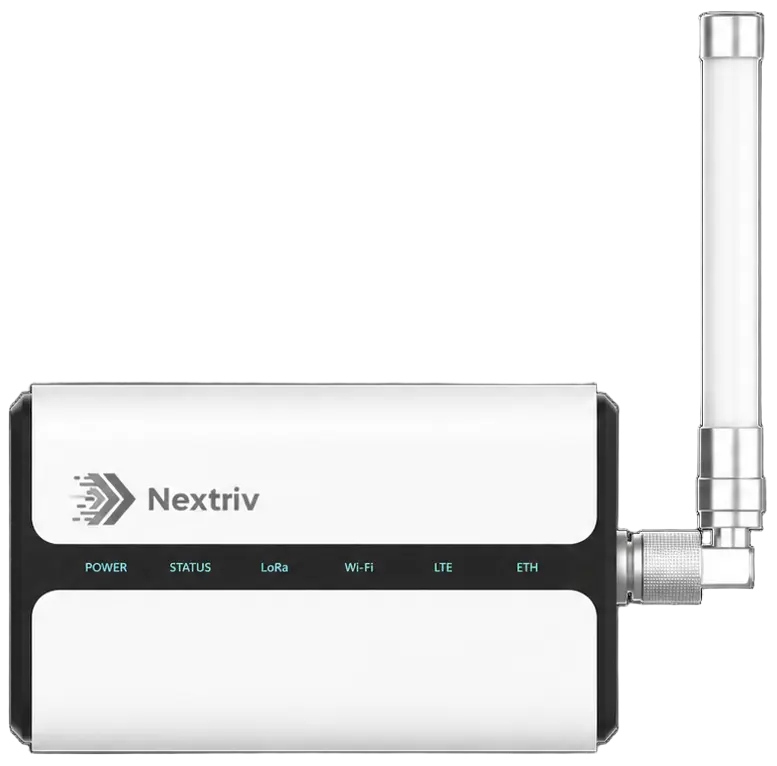
Nextriv Hub Pro
SKU: NX-GW-PRO
Semi-industrial radio gateway with IP65 ingress protection and a -40…+70°C operating range — for indoor and sheltered outdoor spots. Gigabit Ethernet with PoE, Wi-Fi and optional 4G with failover.
€511 netView product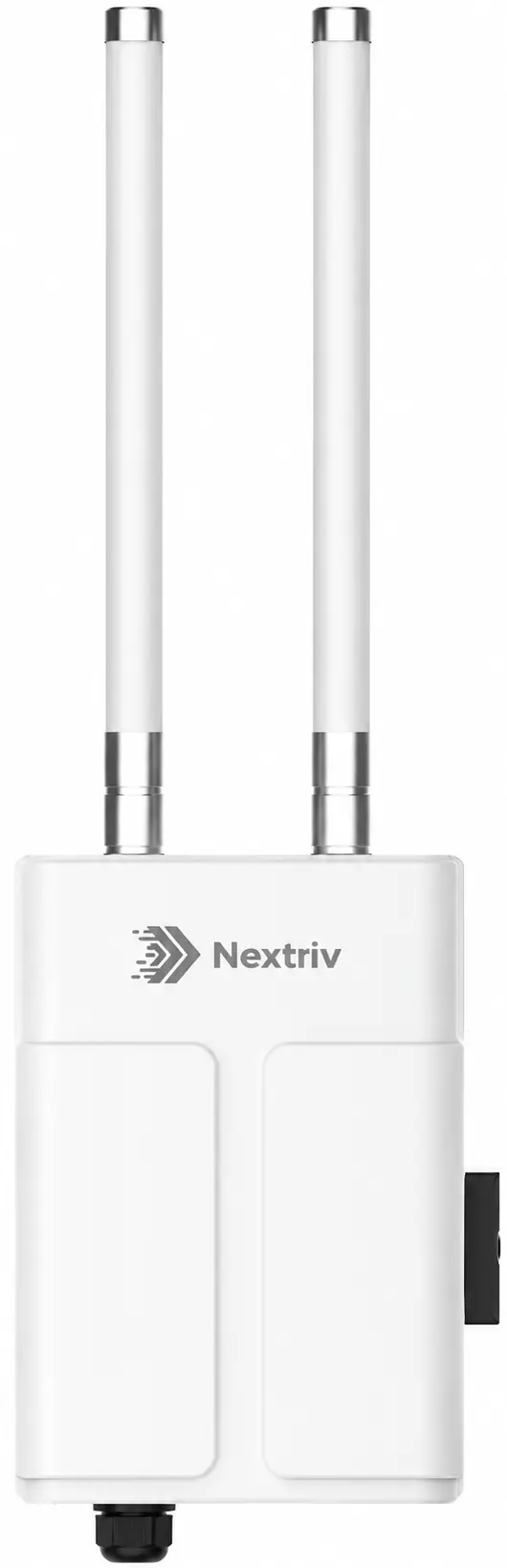
Nextriv Hub Outdoor
SKU: NX-GW-OUT
Fully outdoor IP67 radio gateway with a GNSS receiver and a range of up to 15 km line of sight. The foundation of a Nextriv network in open terrain: agriculture, industry, infrastructure.
€844 netView product
Not sure which set to choose?
Tell us about your facility and we'll match sensors and a gateway to the exact rooms you need to monitor — no unnecessary hardware.