
Probe measurement probes
Nextriv Probe Ultrasonic Compactcompact ultrasonic level sensor
SKU: NX-PR-ULSC
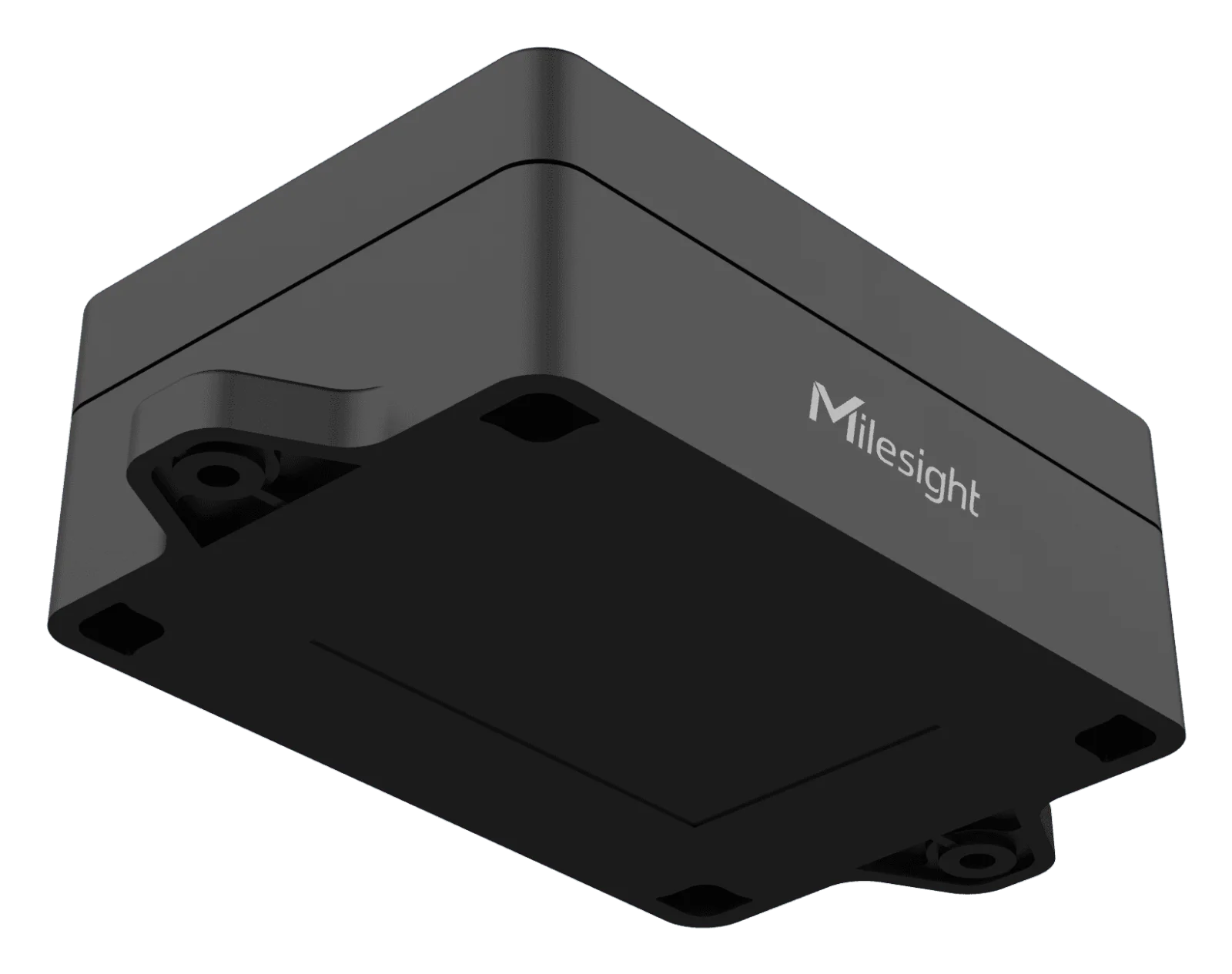
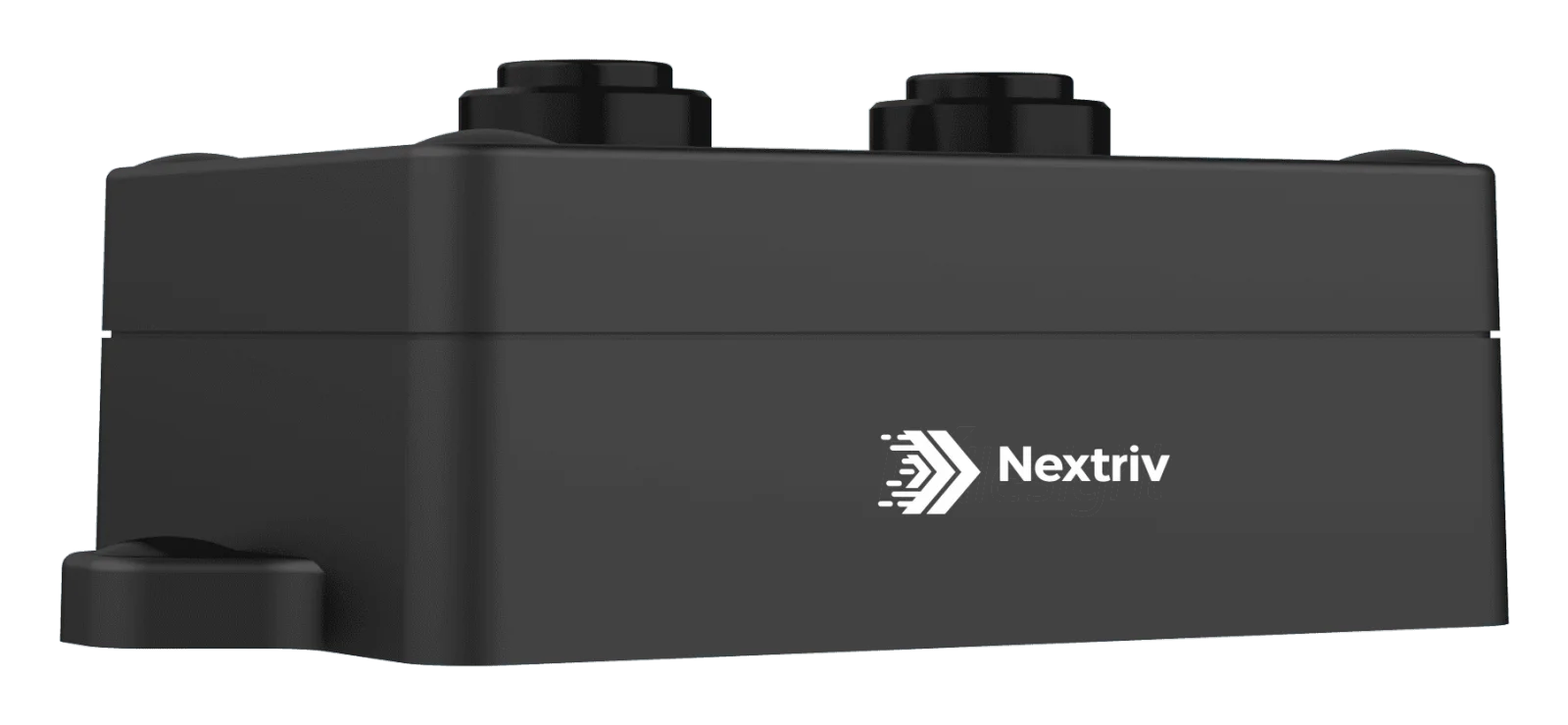
Compact ultrasonic distance and level sensor (3–450 cm) with a built-in transducer and tilt detection — for bins, tanks and manholes. IP67, at least 10 years of battery life.
€200net
VAT is added to the price.
Description
- Measures from just 3 cm away
- Two transducers — minimal blind zone
- Accelerometer detects a lifted lid
- At least 10 years on battery
- IP67, salt-spray resistant
What it's for
This is the sensor many municipalities start their telemetry journey with — a simple road to a smarter city. Nextriv Probe Ultrasonic Compact uses ultrasound to measure the distance to a surface: waste in a container, water in a tank, a car roof in a parking space. And it does so with a smarter design than classic probes: it has two ultrasonic transducers, so the measurement blind zone starts just 3 cm from the sensor. In practice it also works in low, shallow bins and in a nearly full tank — exactly when single-transducer sensors go "blind" and the measurement matters most.
The device's second sense is a three-axis accelerometer. The sensor knows not only how far the surface is, but also whether it has itself been tilted or moved — which turns it into a guardian of manhole covers (lifting = a tampering or theft alert) and lets you filter out readings taken while a container is being emptied. The black IP67 enclosure is additionally salt-spray resistant — it will survive winter road salting and coastal climates — and easy to wash, which is no small detail with rubbish bins.
The scale of the benefits shows in municipal deployments of this class of sensor in waste management: when collection routes follow real fill levels and predictions rather than a rigid schedule, the fleet's weekly mileage drops markedly — and so does the number of resident complaints about overflowing bins. The predictive model learns each location's rhythm — bins by train stations fill differently from those in parks — and operators gain a softer benefit too: less crew stress thanks to routes driven by real need.
This is the economics the device was designed for: at least 10 years on a set of batteries at a typical interval, zero cabling, screw mounting to a flat surface and configuration with the tap of a phone — the cost of servicing a single measurement point drops to nearly nothing.
Use cases
- Municipal waste management: a sensor under the lid of every container reports the fill level; the dispatcher routes trucks only past full bins. The effect known from municipal deployments of this sensor class: fewer fleet kilometres and fewer resident complaints.
- Rainwater tanks and retention: remote level readings every dozen or so minutes for a full decade without a battery change; the municipality sees reservoir fill levels before a torrential downpour.
- Sewer manhole: the accelerometer detects a lifted or tilted cover — an alert about cast-iron theft or unauthorised entry to the chamber, before someone falls into an open manhole.
- Covered car park: a sensor above each space detects vehicle presence; the system guides drivers straight to a free spot — less circling and fewer fumes in the hall.
- Industry — tanks and silos: levels of process liquids or bulk materials in tanks scattered around the plant, without running signal cables across the hall.
- Manholes and pumping stations: sewage levels at critical network points as an early warning of overflow — cheap protection against very expensive environmental damage.
Key features
- Two ultrasonic transducers = an ultra-short blind zone: a reliable measurement from just 3 cm — works in shallow bins and full tanks.
- A wide 3–450 cm range with 1 mm resolution — from a street bin to a tank several metres deep.
- A 60° beam angle forgives imprecise mounting and an uneven waste surface.
- Three-axis accelerometer: tilt and lift detection — manhole protection, filtering of readings during emptying.
- IP67, salt-spray-resistant enclosure — withstands road salting, coastal climates and surroundings being washed down.
- At least 10 years on a set of batteries (at a typical interval) — a practically maintenance-free measurement point.
- Configuration with the tap of a phone (NFC) — mass roll-outs without a laptop and without opening enclosures.
- Screw mounting to a flat surface, no per-container calibration — predictable installation cost across hundreds of points.
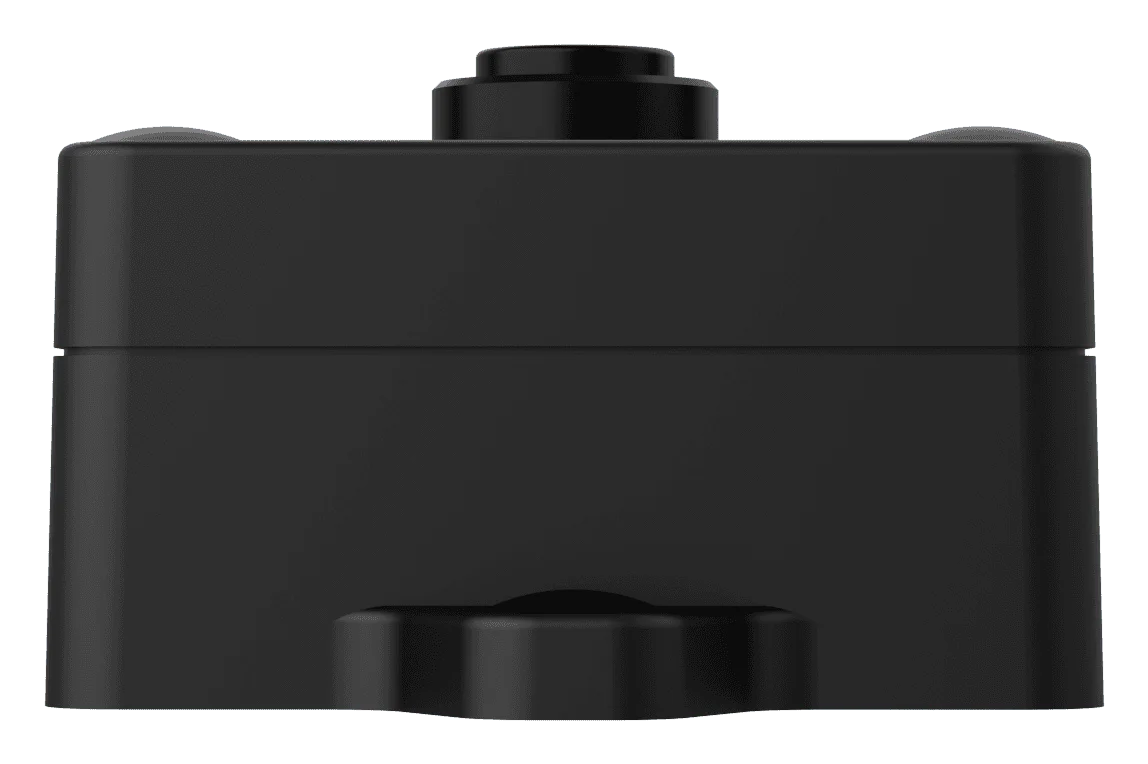
- A compact, low-profile body (111 × 62 × 40 mm, approx. 168 g) fits under the lid of a typical container.
- Radio range tying a whole estate or plant together with one gateway (up to approx. 2 km in built-up areas, 15 km in open terrain).
In the Nextriv system
Level and tilt from every point flow into the Nextriv platform, where each metric can carry four thresholds — e.g. a warning at 70% container fill and a critical alarm at 90%. Notifications travel six channels (e-mail, SMS, web push, Discord, MS Teams, in-app sound), and rules filter them per location — the waste dispatcher doesn't get alerts from pumping stations. A sensor that goes silent for twice its reporting interval is flagged as offline.
Dashboards with nearly 20 widget types show a fill map of the container fleet, level trends and a list of points due for a visit; PDF reports and XLSX/CSV exports document the system's performance for the municipality or the board. Accuracy of ±(1 cm + 0.3% of distance) means an error of single centimetres in a metre-deep bin — more than enough to decide "drive or don't drive".
Typical deployments
- Warehouses: stock levels in bulk-material hoppers with min/max thresholds — replenishment orders driven by data.
- Agriculture: farm water and feed tanks under remote supervision — one gateway covers the whole property.
- Manufacturing: tanks and silos scattered around the plant with no signal cabling; alerts at critical levels.
- Buildings and infrastructure: car parks, retention tanks and manholes — from occupancy detection to protection against sewage overflow.
Specification
| Measurement range | 3–450 cm (ultrasonic, two measuring transducers) |
|---|---|
| Accuracy | ±(1 cm + 0.3% of measured distance) |
| Resolution | 1 mm |
| Beam angle | 60° |
| Position status | normal / tilted (3-axis accelerometer) |
| Connectivity | Long-range radio — up to ~2 km in urban areas, ~15 km in open terrain |
| Power supply | 2 × 3500 mAh lithium batteries (7000 mAh total) |
| Battery life | at least 10 years (10-min interval + 20 trigger events per day) |
| Ingress protection | IP67, salt-spray resistant |
| Operating conditions | −15…60 °C, humidity up to 90% (non-condensing) |
| Dimensions and weight | 111 × 62 × 40 mm, approx. 168 g |
Files
- Download
Nextriv Probe Ultrasonic Compact — datasheet
pdfEN0.5 MBversion 1.0
Related products
Other devices from the same family.
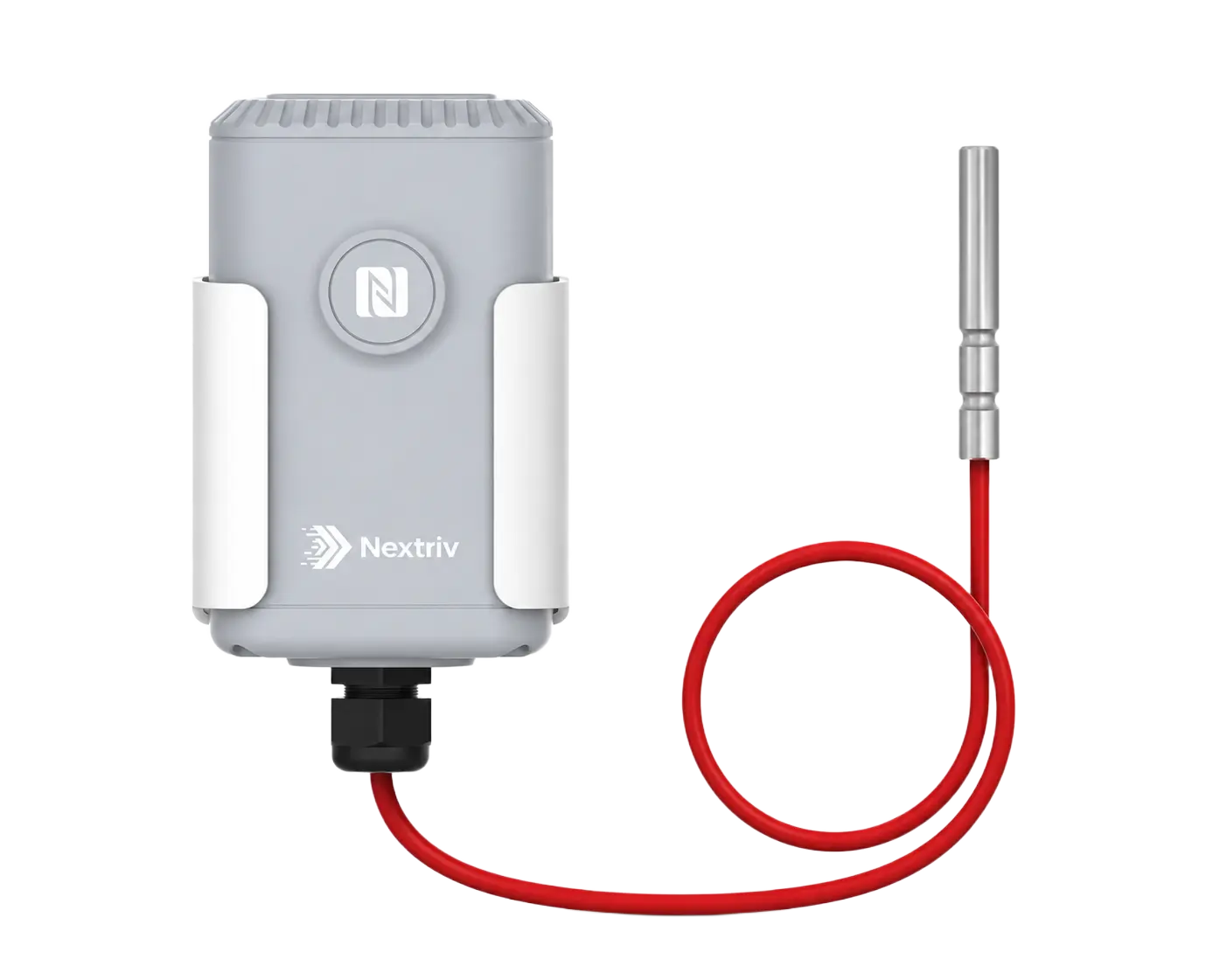
Nextriv Probe PT100
SKU: NX-PR-PT100
Industrial PT100 temperature probe with long-range radio transmission — range variants from −200 °C to +800 °C, ±0.5 °C accuracy, IP67 transmitter with a battery lasting years.
- Temperature
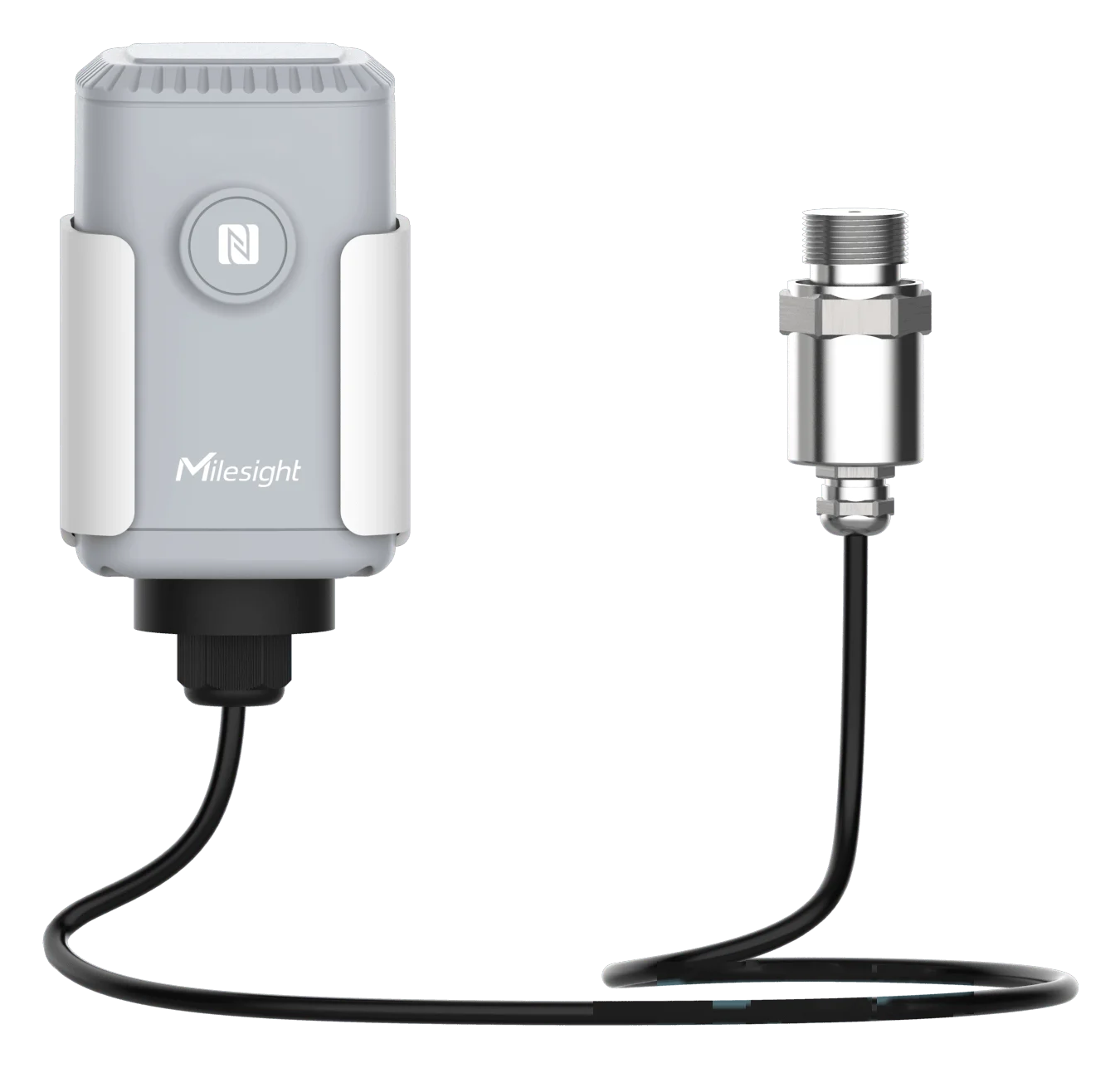
Nextriv Probe Pressure
SKU: NX-PR-PRES
Wireless 0–16 bar pressure sensor for liquids and gases with a 316L stainless-steel transducer (G 1/2″ fitting) — supervising water mains, fire systems and compressed air without signal cabling.
- Pressure
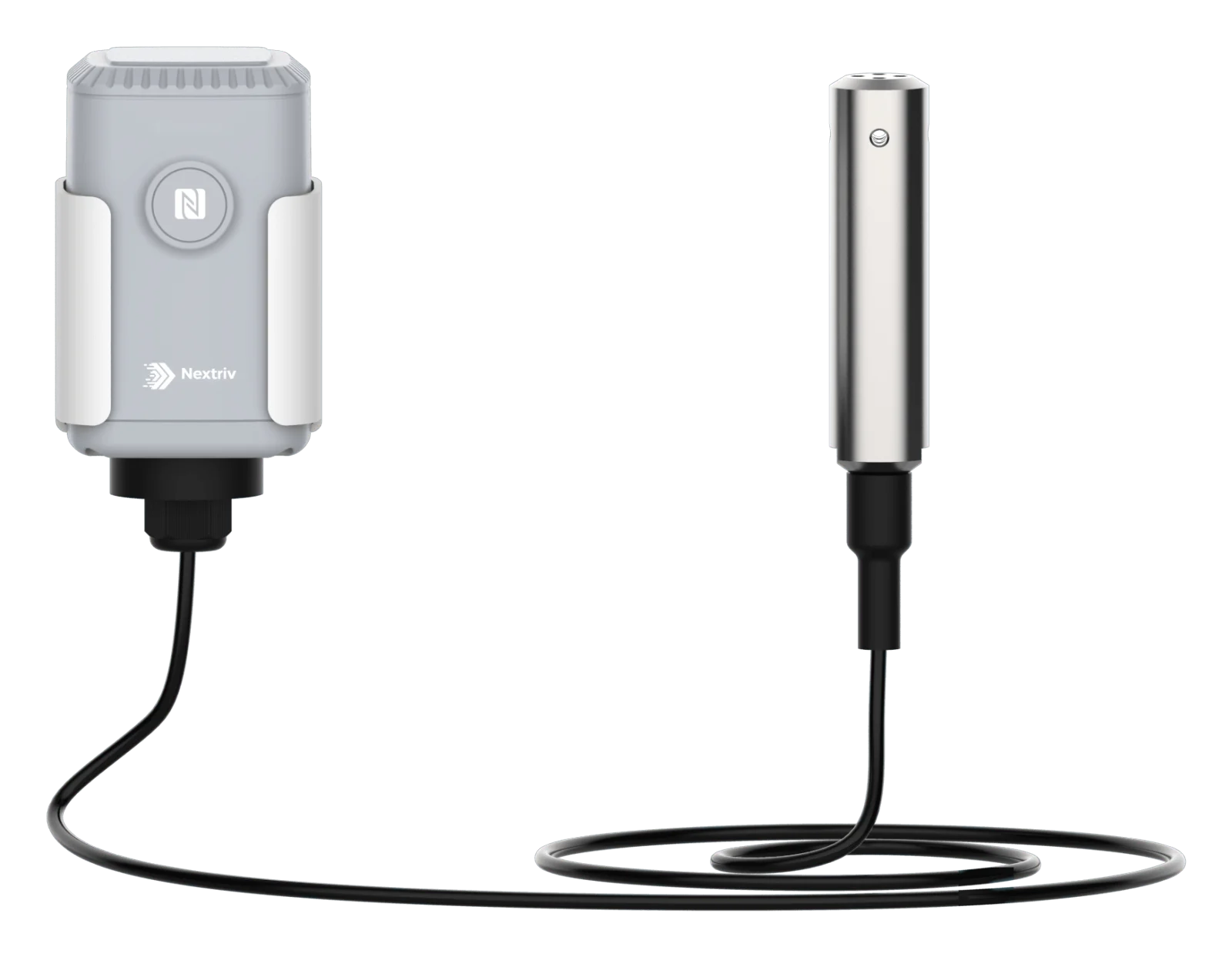
Nextriv Probe Liquid Level
SKU: NX-PR-LQI
Hydrostatic submersible probe for liquid level measurement in tanks, wells and open water — immune to foam, waves and wind. Standard ranges 0–3 m and 0–5 m, others made to order.
- Fill level
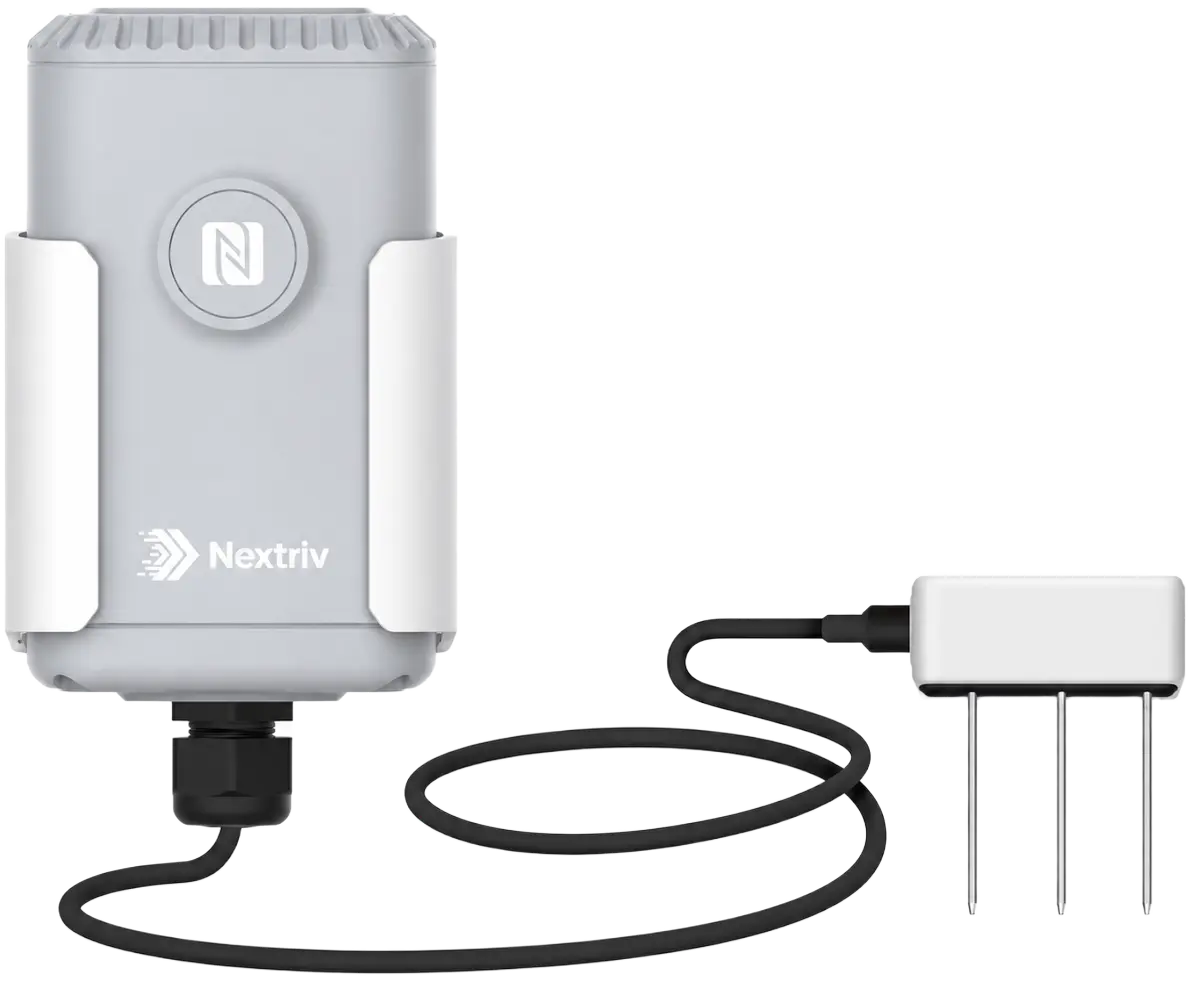
Nextriv Probe Soil
SKU: NX-PR-SOIL
3-in-1 soil probe: moisture, temperature and electrical conductivity (EC) in the root zone — precision irrigation and fertilisation control based on data, not gut feeling.
- Soil parameters
Not sure which set to choose?
Tell us about your facility and we'll match sensors and a gateway to the exact rooms you need to monitor — no unnecessary hardware.