
Sense environmental sensors
Nextriv Sense IAQ7-in-1 air quality station with CO₂
SKU: NX-SN-AQ7
7-in-1 air quality station: temperature, humidity, CO₂, TVOC, pressure, light and occupancy — with a 4.2″ e-ink display and an 18,000-record buffer.
€490net
VAT is added to the price.
Description
- 7 parameters in one device
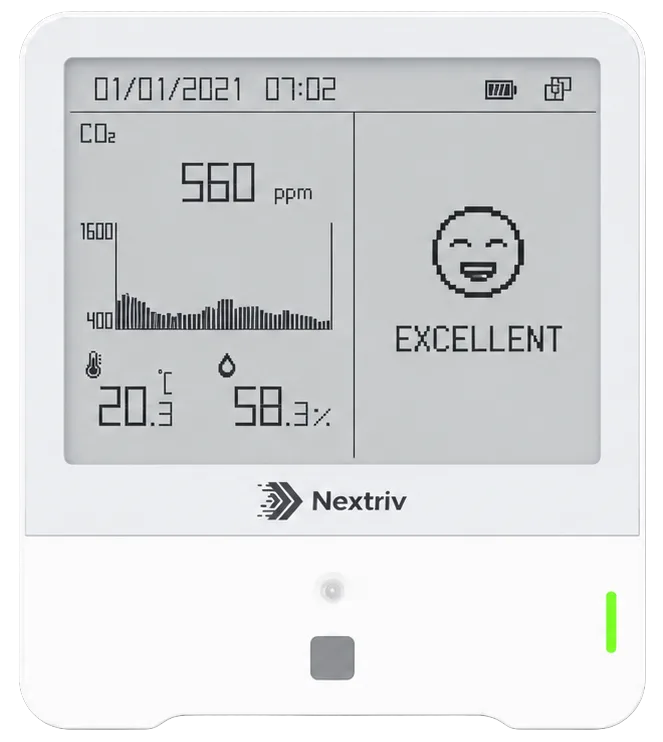
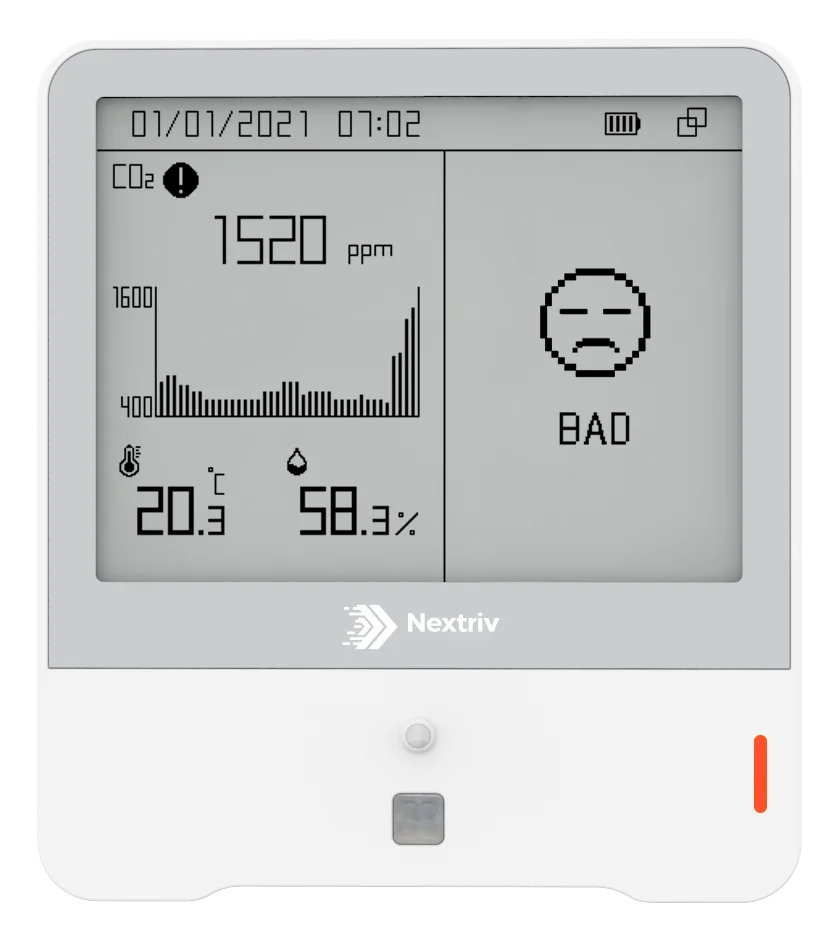
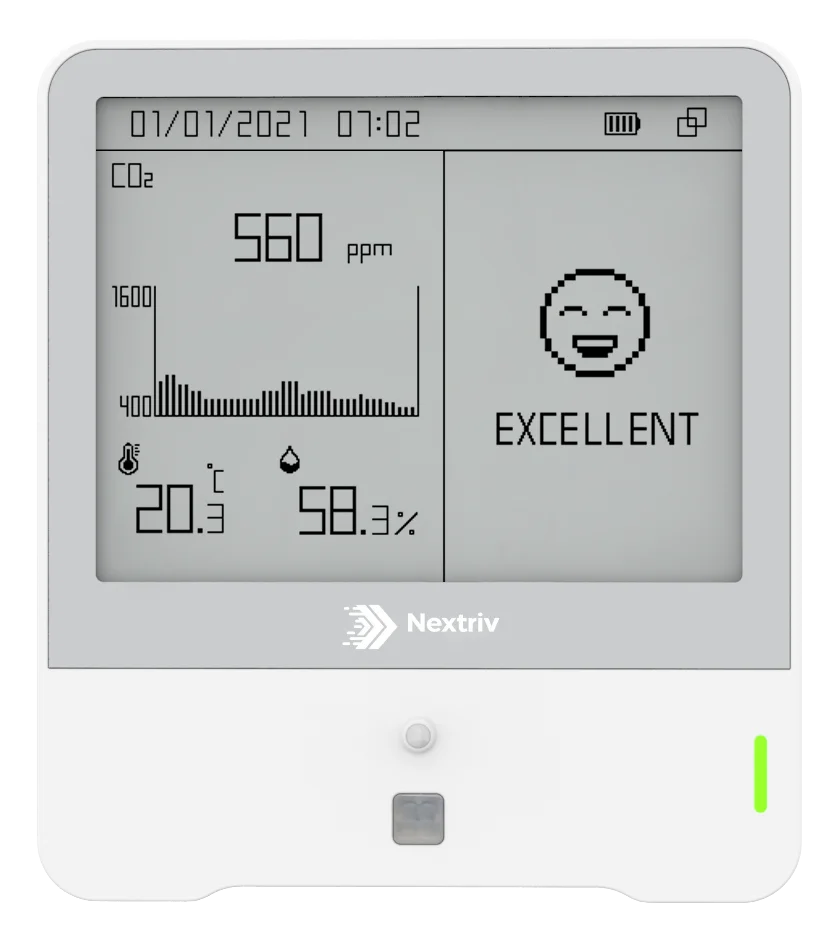
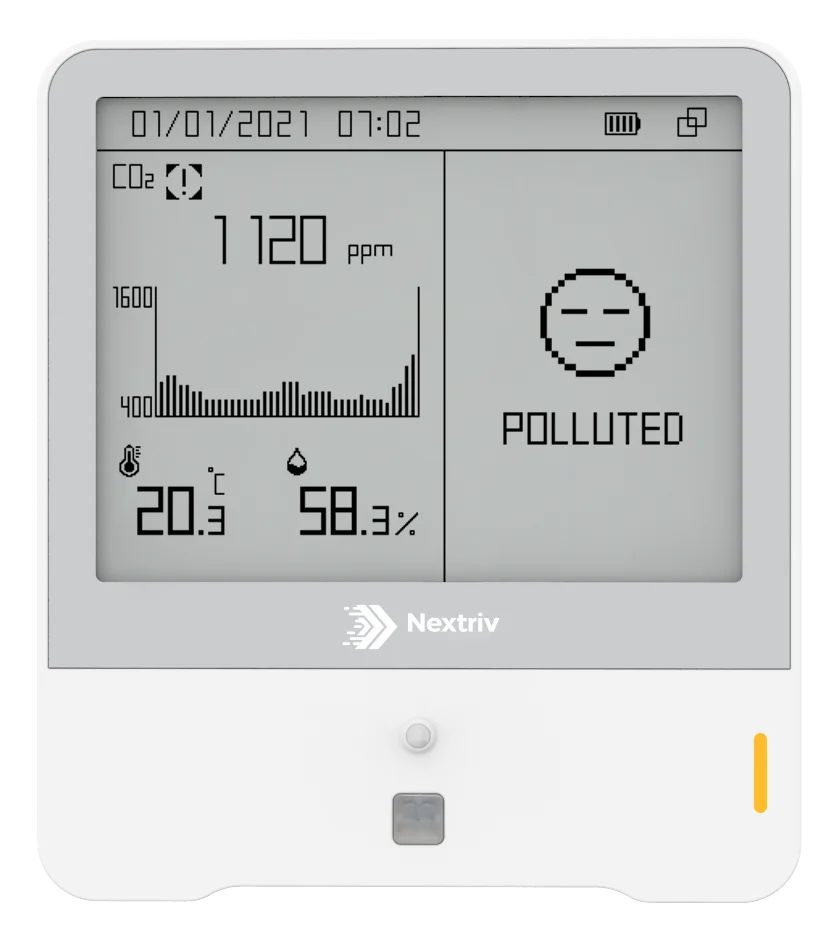
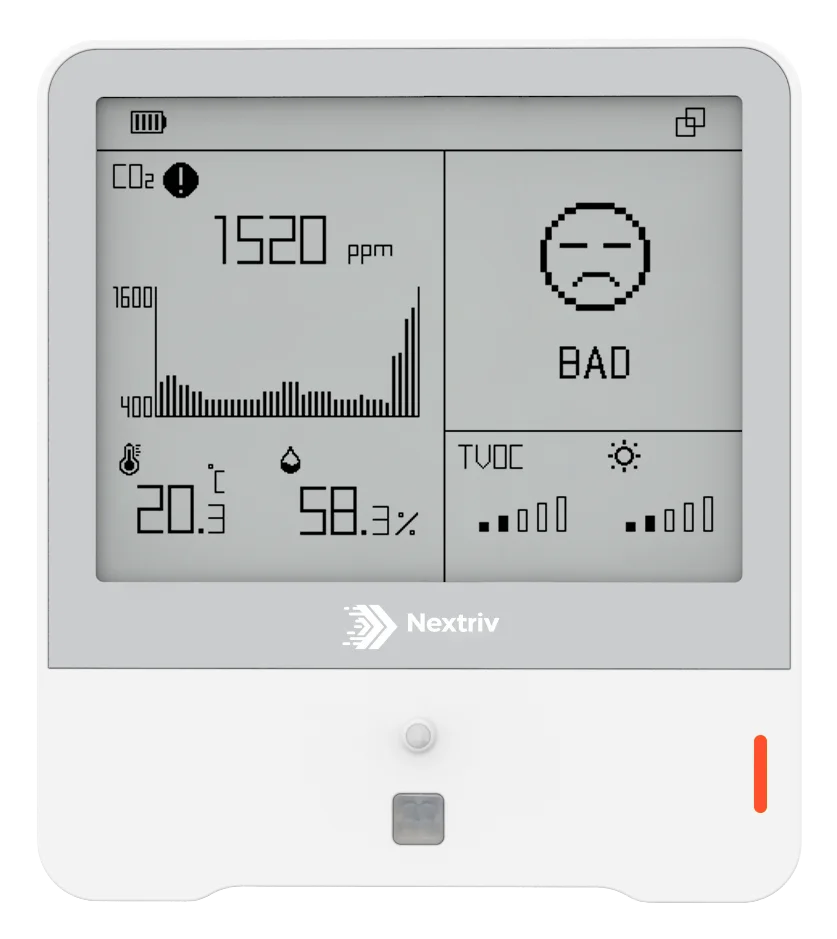
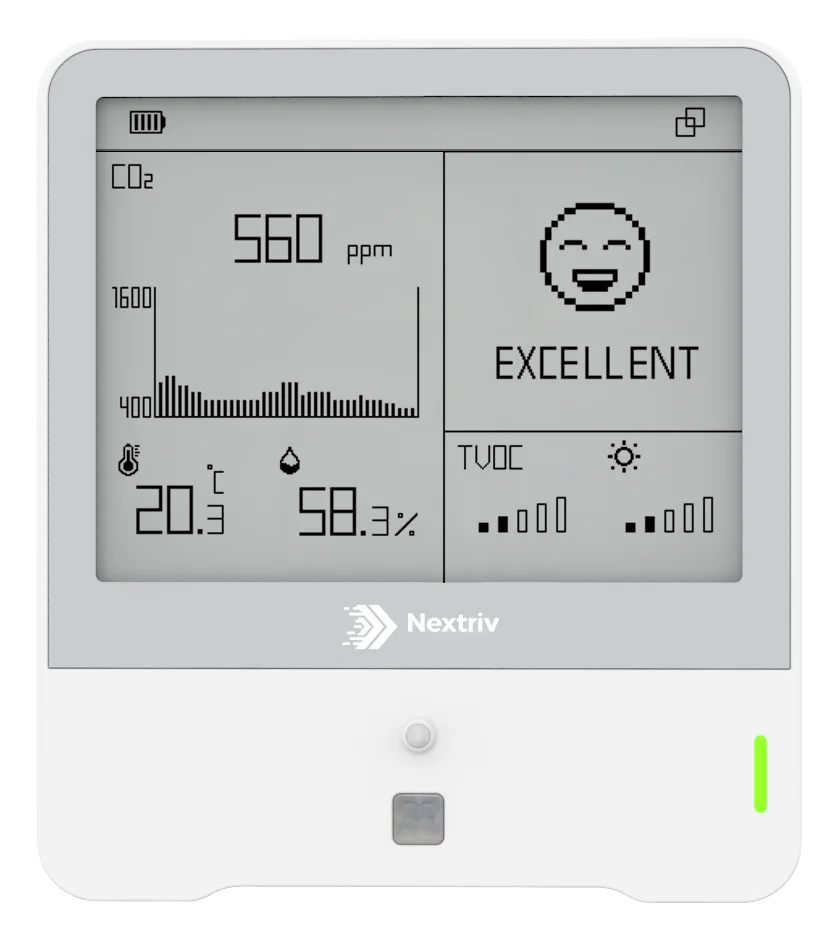
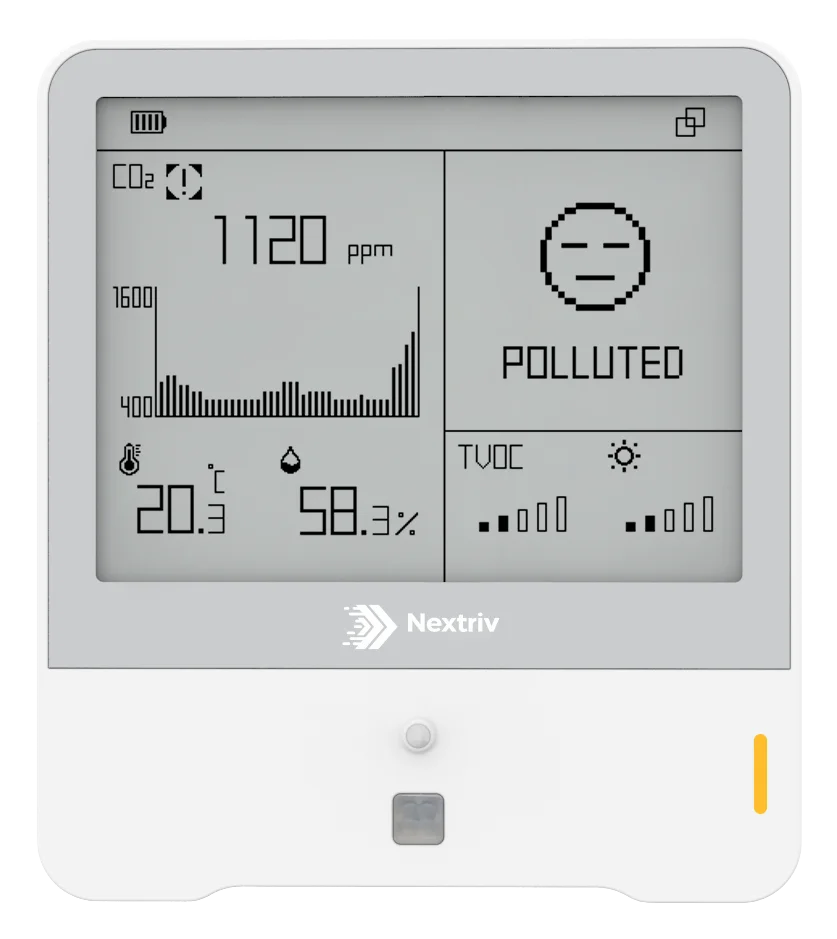
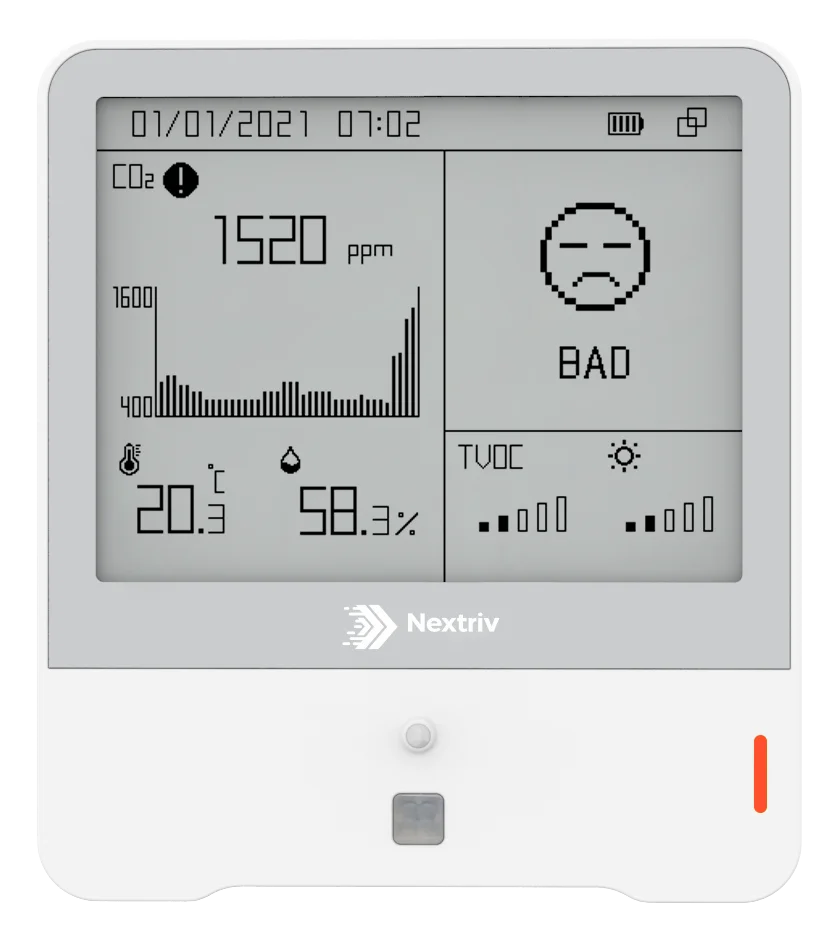
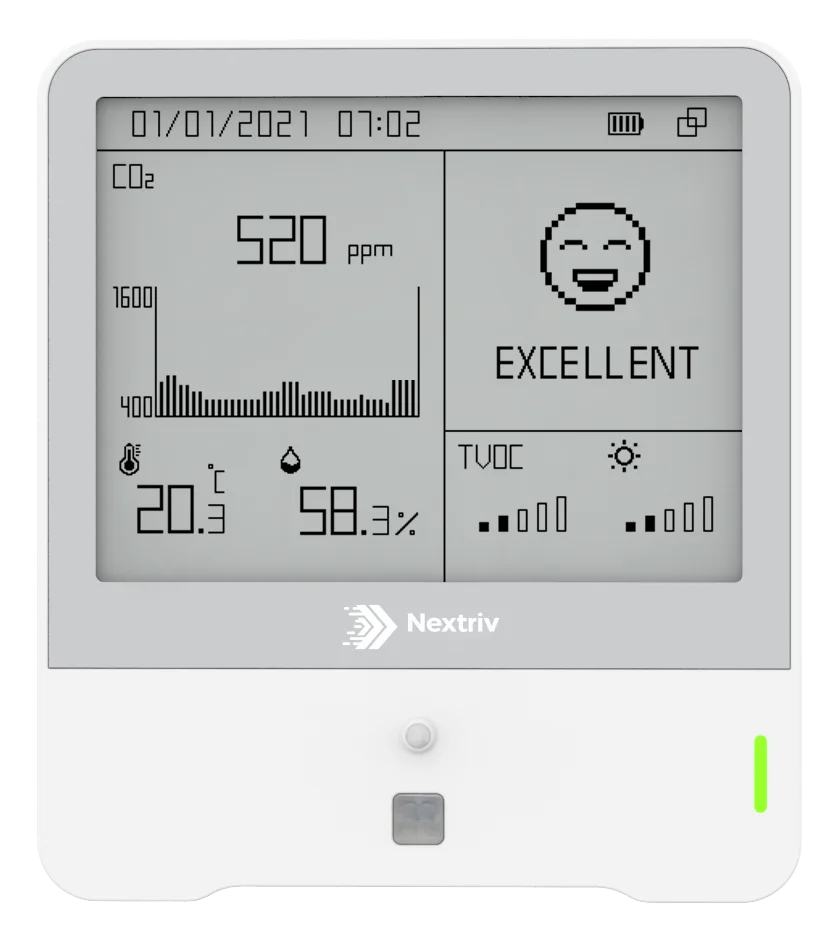
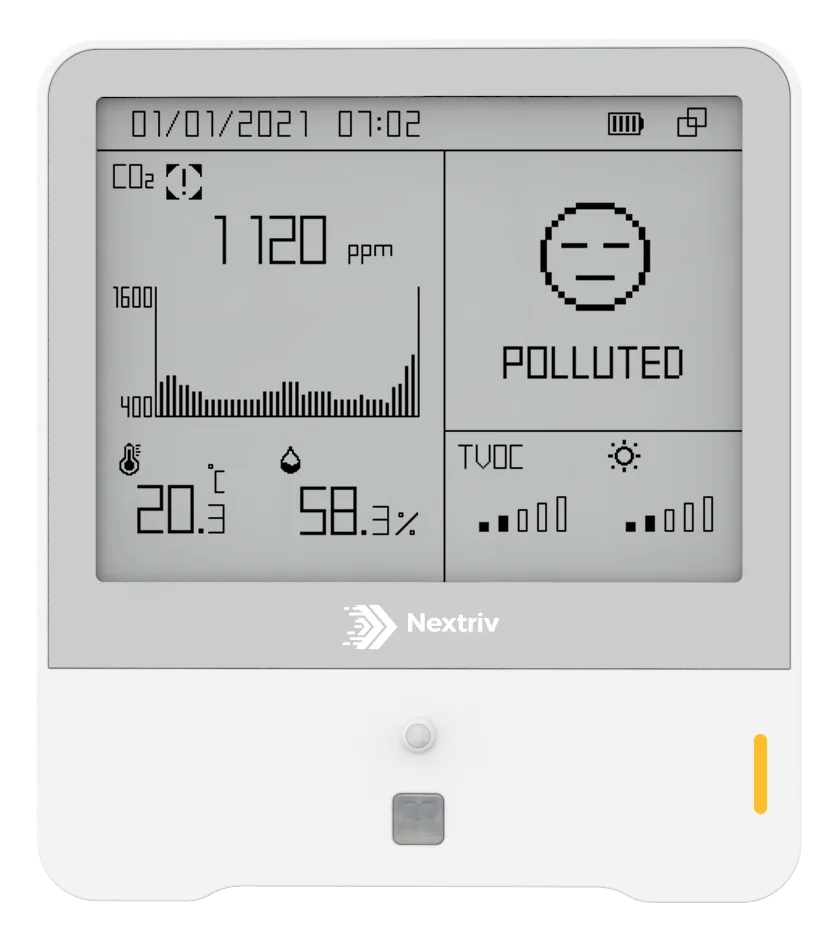
- Large 4.2″ e-ink display with emoticons
- Alarm buzzer audible on site
- 18,000 records of tamper-proof history
- Empty room = display sleeps, battery gains
What it is for
If there is a "classroom and office standard" in climate monitoring, this is what it looks like: seven parameters in one white enclosure with a large paper-like display. Temperature, humidity, CO₂, volatile organic compounds, pressure, light and human occupancy — Nextriv Sense IAQ sees the room as a whole: both the air quality and whether anyone is in it at all. That combination turns data into decisions: ventilate where there are people and CO₂ is rising; don't waste energy where it's empty.
The best testimony to the maturity of this design is the scale of its deployments: this is the class of device chosen for regional healthy-school programmes, where sensors work in hundreds of classrooms at once and report readings every few minutes. The secret of its popularity? A 4.2″ e-ink display that tells the class "time to air out" with an emoticon and "traffic lights", a built-in acoustic alarm on threshold breaches, and around 3 years of operation on replaceable batteries — without a single cable across hundreds of rooms.
There is also an engineering touch that administrators love: when the motion sensor detects emptiness for 20 minutes, the display stops refreshing (measurements and transmission continue) — the battery doesn't work for an empty room. And 18,000 records of local history that cannot be manually erased provide full data accountability in disputes and audits.
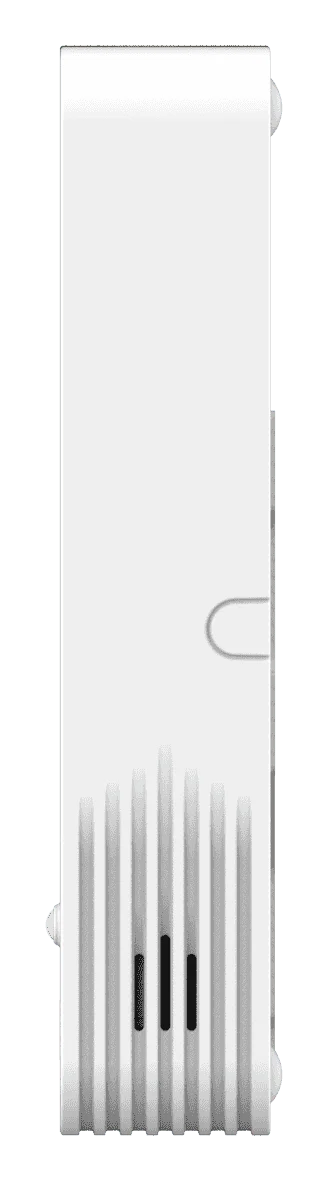
Under the hood: CO₂ measured optically (NDIR), volatile organic compounds reported as a readable 1–5 index — from "fresh" to "time to act", no chemistry PhD required. Light measurement up to 60,000 lux supports daylight-driven lighting control, the motion sensor with an 80° × 55° field and a range of up to 5 m covers a typical room from one mounting point, and barometric pressure completes the picture for building automation. All of it in a flat enclosure mounted with tape or screws — with USB-C for when the display needs to work more often.
Usage scenarios
- Region-wide school network: a sensor in every classroom reports temperature, humidity and CO₂ every few minutes. The administration sees all the schools on one dashboard, and teachers get a simple cue to air the room.
- A single school: sensors of this class verify ventilation performance in classrooms — it's about pupil concentration and limiting pathogen transmission in the infection season.
- University campus: the readings feed a digital twin of the campus — the university analyses indoor environmental quality across time and space, combining comfort with academic research.
- Class A office building: motion plus CO₂ reveal the real use of meeting rooms — the booking system releases "dead" bookings, and cleaning goes where people actually were.
- Clinic: the acoustic alarm on a CO₂ threshold breach in the waiting room gives staff an immediate prompt to act — without logging in anywhere.
- Community centre: shared spaces with irregular use gain objective measurement — airing and heating follow real events, not the calendar.
Key features
- 7 parameters in one device — one installation instead of three separate sensors.
- Large paper-like 4.2″ e-ink display with several content layouts and a light/dark theme — data visible from afar, energy use close to zero.
- Emoticons and "traffic lights": air assessment at a glance, understandable with no training.
- Built-in acoustic alarm — a threshold breach is heard in the room, not just in the app.
- Smart display sleep: a room empty for at least 20 minutes = the display sleeps while measurements keep flowing.
- 18,000 records of local history with no manual erase — full data accountability.
- Retransmission after connectivity outages — zero gaps in the charts.
- Configuration via NFC, USB-C or remotely via downlink — convenient one by one and fleet-wide.
- Direct device-to-device communication within the Nextriv network — e.g. motion in a room can trigger a relay with no server involved.
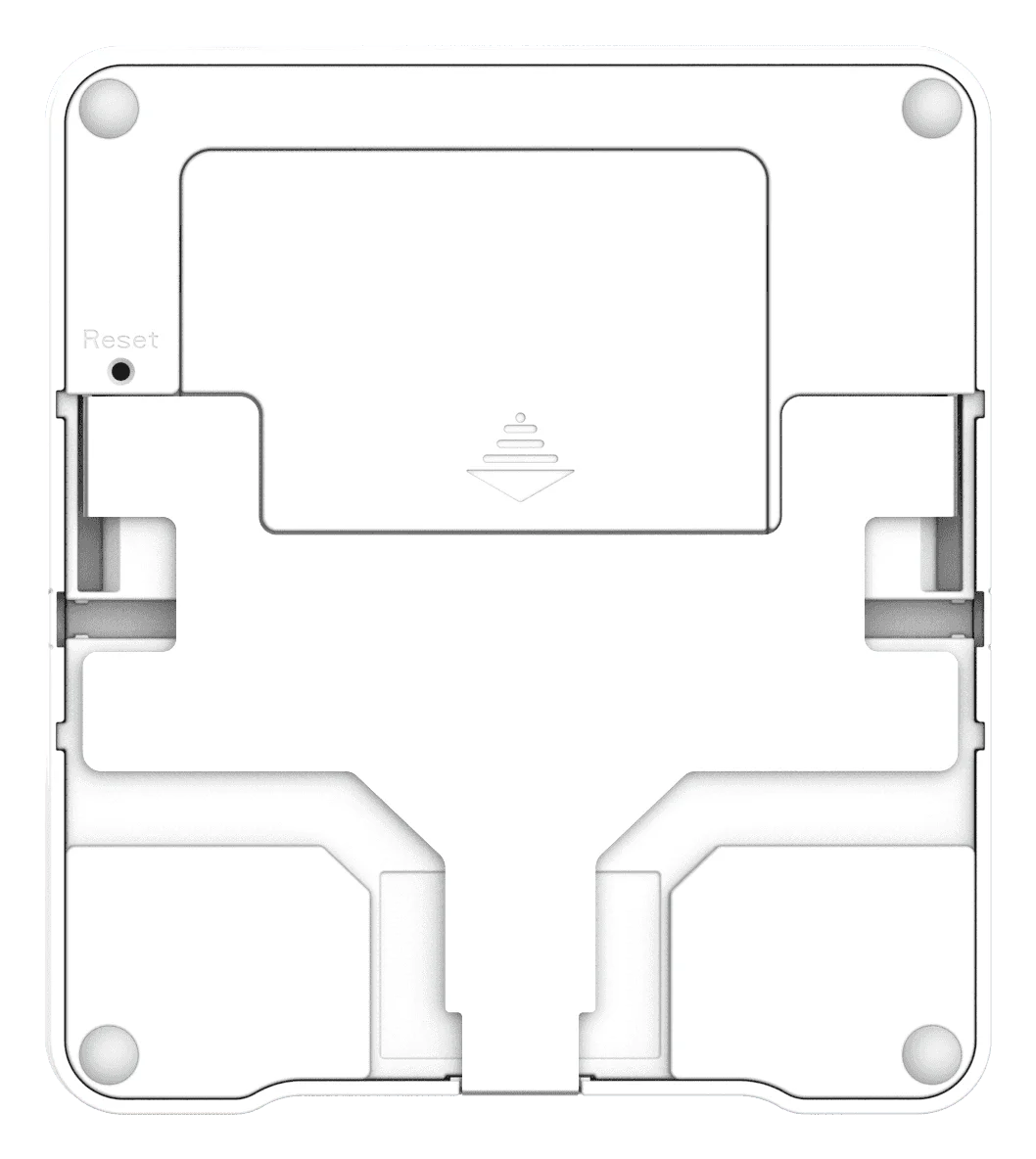
- Power your way: a set of replaceable batteries (approx. 3 years) or permanent USB-C.
In the Nextriv system
Seven metrics from one device means seven independent sets of alarm thresholds in the Nextriv platform — each with two warning and two critical levels. Events get readable codes, statuses (active → acknowledged → resolved) and team comments, and notifications go out over six channels: from e-mail and SMS to MS Teams and Discord. Escalation policies make sure an unacknowledged alarm moves up the chain.
On the dashboards (nearly 20 widget types) air data meets occupancy: multi-series charts, room comparisons, presence status. PDF reports — also generated on a schedule — document comfort for the school management and parents, while XLSX/CSV exports feed your own analyses. Measurement history reaches back up to 5 years. Quiet hours and rate limits protect the team from a notification avalanche, and a sensor silent for longer than twice its reporting interval gets an offline status — an empty room will never be mistaken for a dead sensor.
Typical deployments
- Schools: an IAQ sensor in every classroom improves learning conditions — the pattern of mass educational roll-outs counted in tens of thousands of devices.
- Offices and buildings: the emoticon hints when to air out; occupancy data optimises bookings, cleaning and HVAC.
- Healthcare: waiting rooms and consulting rooms with an on-site acoustic alarm and full history in the platform.
- Hotels: continuous oversight of guest comfort with alerts on threshold breaches.
Specification
| Temperature | -20…60 °C, ±0.2 °C (0…60 °C), 0.1 °C resolution |
|---|---|
| Humidity | 0…100 % RH, ±2 % RH (at 25 °C) |
| CO₂ (NDIR) | 400…5000 ppm, ±(30 ppm + 3 % of reading) |
| TVOC | air quality index 1.00…5.00 (MOX sensor), 0.01 resolution |
| Barometric pressure | 260…1260 hPa, ±0.5 hPa |
| Light | 0…60,000 lx, ±30 % of reading |
| Motion (PIR) | 80° × 55° coverage, range up to 5 m, vacant/occupied status |
| Display | 4.2″ e-ink, light/dark theme, several layouts; display operation 0…40 °C |
| Connectivity | Long-range radio (~2 km urban / ~15 km open terrain), internal antenna |
| Power | 4× replaceable lithium battery (Li-SOCl₂) 2700 mAh or USB-C 5 V/1 A |
| Battery life | approx. 3 years (with display) / approx. 4 years (without display) — 10-min interval, 25 °C |
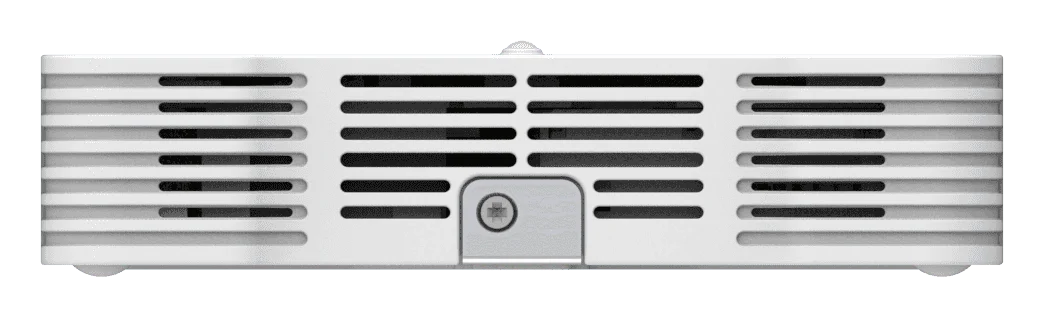
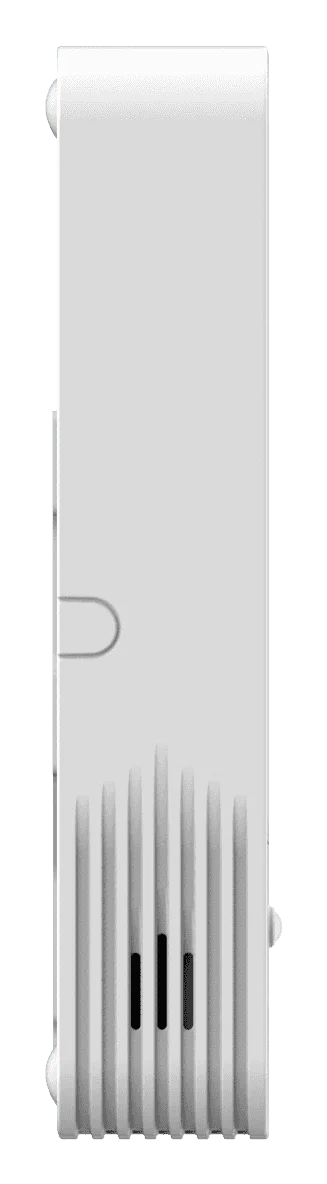
| Enclosure and dimensions | IP30 (indoor use), 100.8 × 114 × 22 mm, mounting via 3M tape or screws |
Related products
Other devices from the same family.
Nextriv Sense Display
SKU: NX-SN-DISP
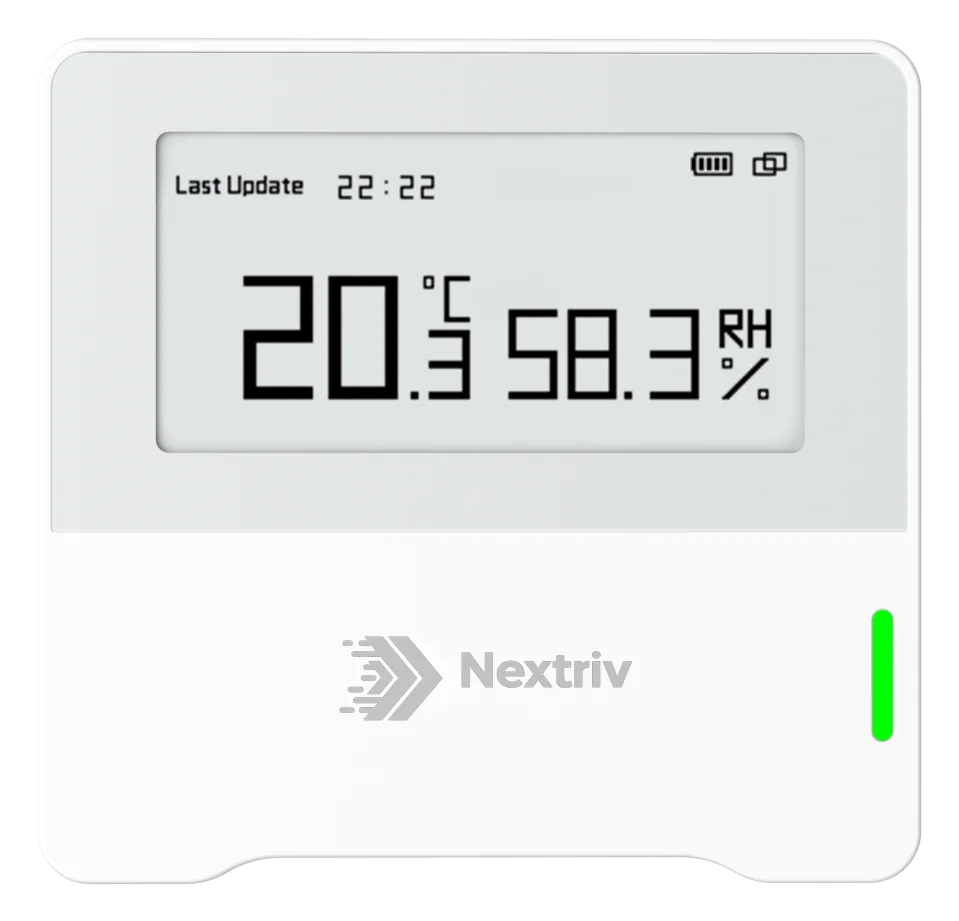
Temperature and humidity sensor with a 2.13″ e-ink display — readings on-site and in the Nextriv platform. Over 7 years on replaceable batteries.
- Temperature
- Humidity
Nextriv Sense CO₂
SKU: NX-SN-CO2
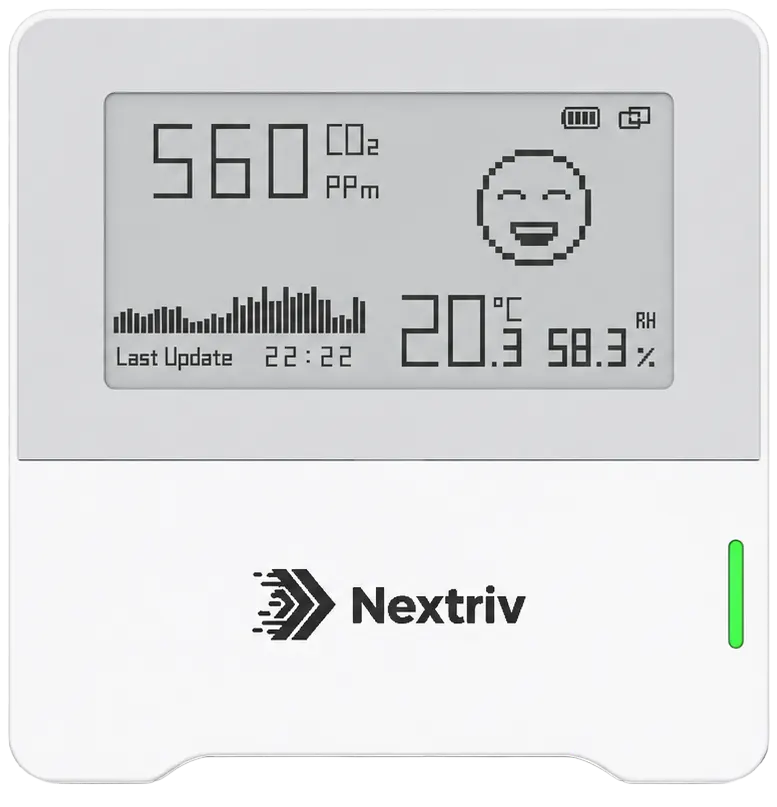
CO₂, temperature and humidity sensor with NDIR measurement and an e-ink display. Shows on the spot when to air the room — and sends the data to the Nextriv platform.
- Temperature
- Humidity
- CO₂
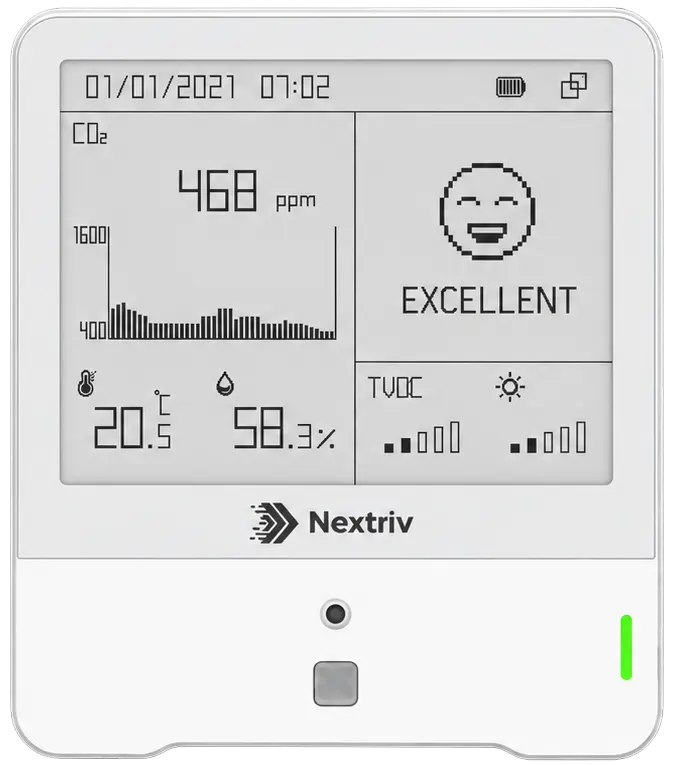
Nextriv Sense IAQ Comfort
SKU: NX-SN-AQ8C
8-in-1 climate monitoring with laser PM2.5/PM10 particulate measurement — the full picture of air health in facilities with elevated dust levels.
- Temperature
- Humidity
- CO₂
- TVOC
- +4
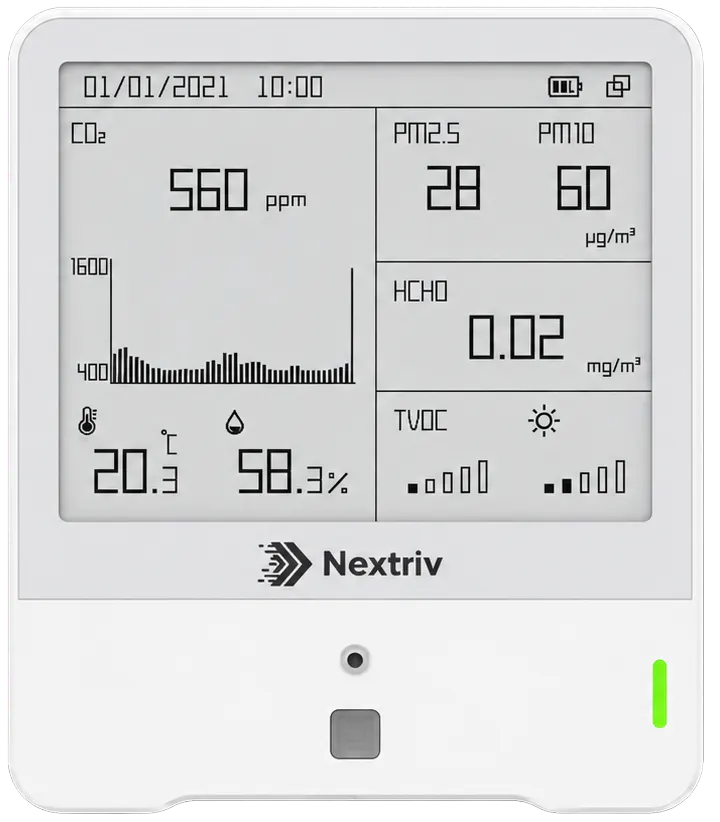
Nextriv Sense IAQ Pro
SKU: NX-SN-AQ9P
The richest 9-in-1 air quality station — choose formaldehyde (HCHO) or ozone (O₃) measurement. Always-listening radio with instant response to commands, WELL programme compliance.
- Temperature
- Humidity
- CO₂
- TVOC
- +5
Not sure which set to choose?
Tell us about your facility and we'll match sensors and a gateway to the exact rooms you need to monitor — no unnecessary hardware.