
Sense environmental sensors
Nextriv Sense Leak Zonezone leak sensor with sensing cable
SKU: NX-SN-WLZ
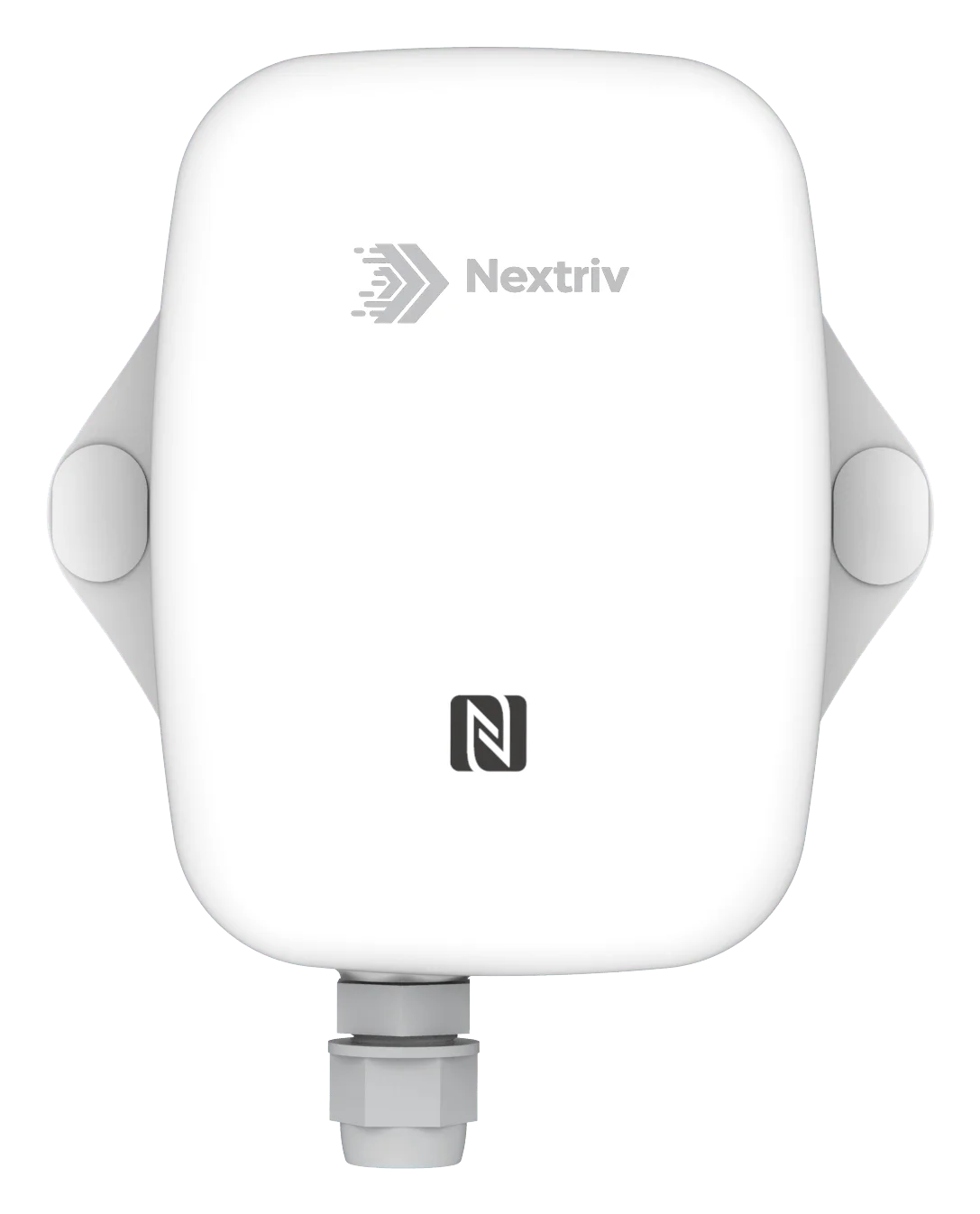
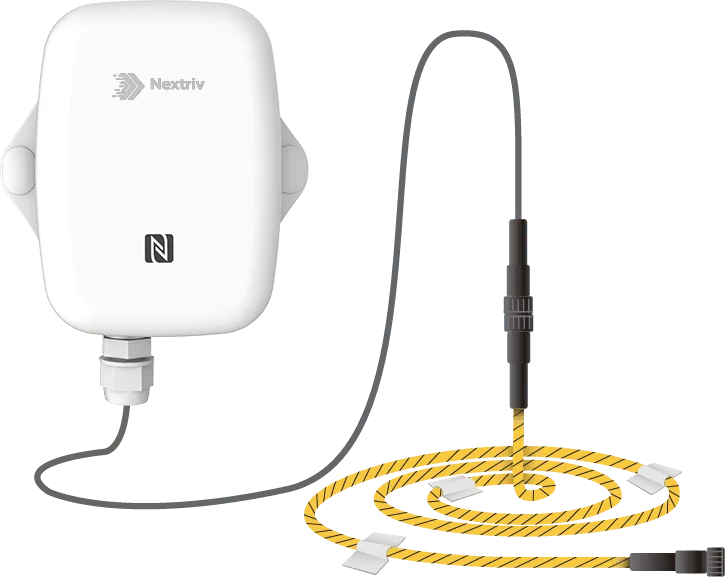
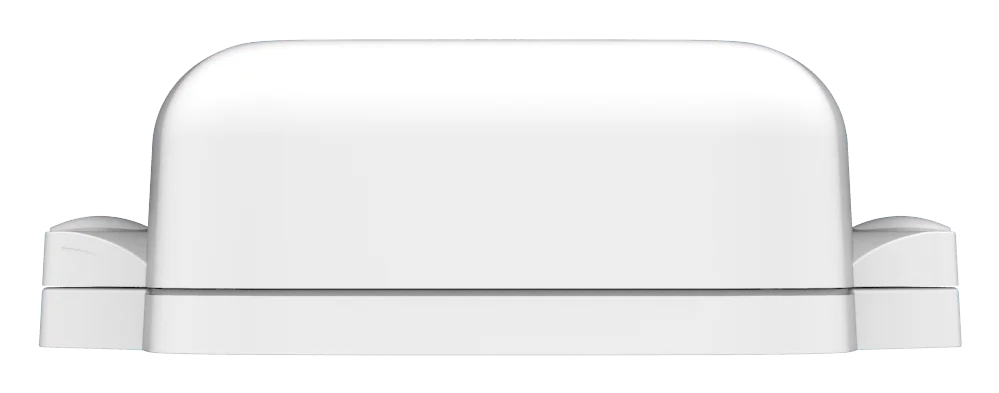
Zone leak sensor with a sensing cable (3 m as standard, longer runs to order) — detects liquid at any point along the cable's entire length.
€140net
VAT is added to the price.

Description
- Detection along the cable's entire length
- Protects zones, not single points
- Steel-reinforced cable, service-visible
- Three measurements from one installation
- Once dried, the cable returns to duty
What it is for
Nextriv Sense Leak Zone is the answer to situations where you cannot point a finger and say "the water will appear here": long pipe runs, server-room raised floors, basements, pump rooms. Instead of a spot probe, the device has a sensing cable — 3 m as standard, longer runs to order — that detects conductive liquid at any point along its length. Lay the cable around the perimeter of a room, along a pipeline or around cabinets, and from that moment the entire line is a supervised zone.
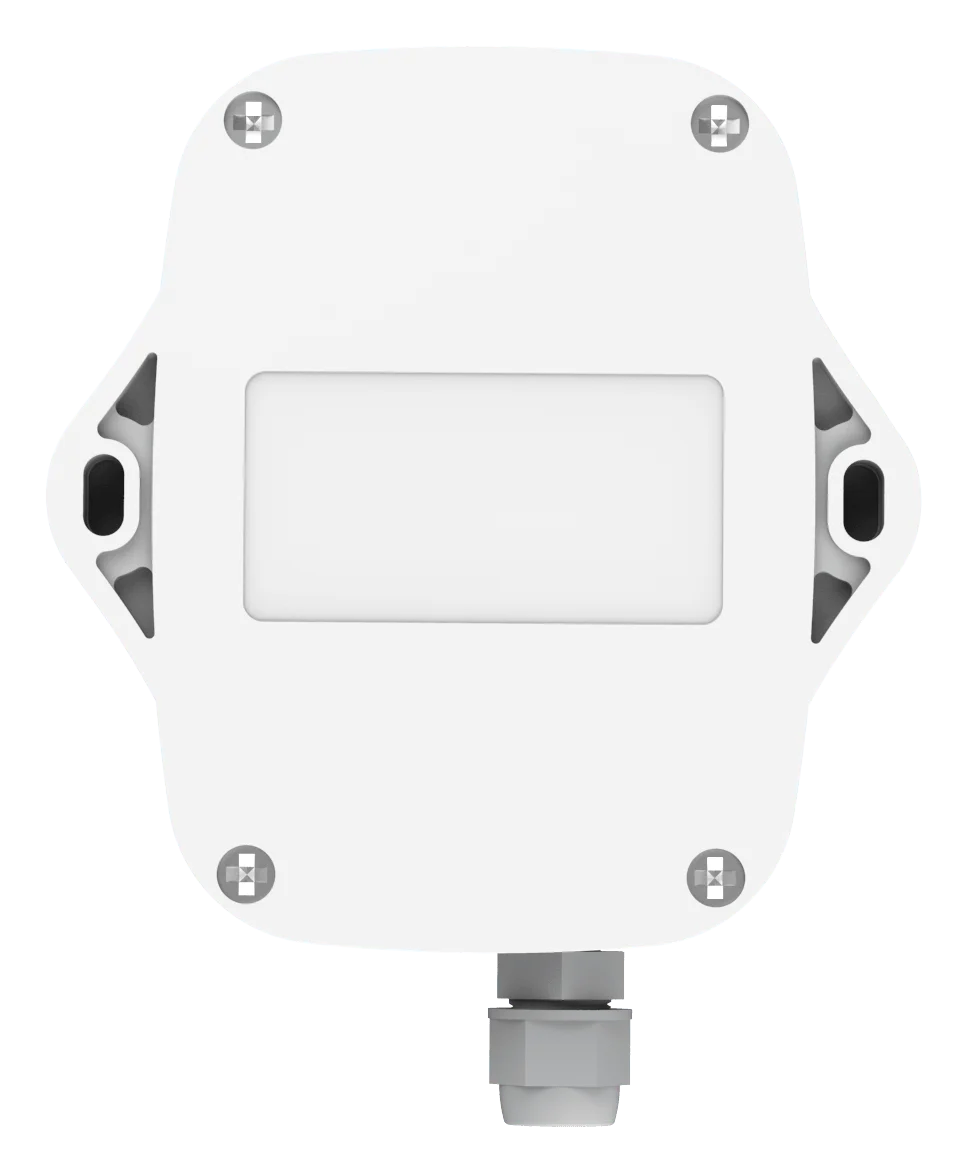
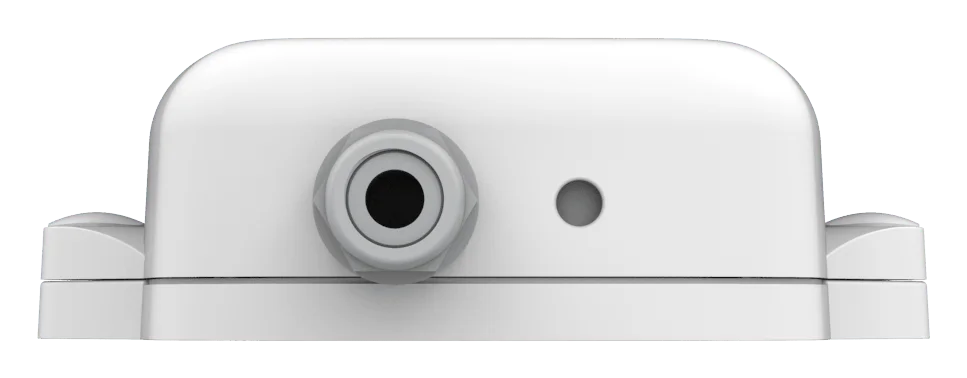
The cable itself is a considered design, not an ordinary "twin lead": detection conductors in a polyethylene jacket with steel reinforcement, in a contrasting yellow-and-black colour scheme — visible during service work, so it is harder to accidentally cut or crush. It is fixed with 3M tape or cable ties, no specialist brackets. Importantly, the detection element is not single-use: after an incident it is enough to dry the cable for it to return to duty. The transmitter is the same proven platform as in the spot variant: IP67, UV resistance, contactless NFC configuration, a tamper-proof log of approx. 2800 records with backfill after a connectivity outage.
The "three measurements from one installation" principle applies here as well: alongside flood detection, the device reports temperature and humidity. In an archive or a high-bay warehouse that is a second line of defence — humidity creeping upward betrays a problem before water appears on the floor. And direct device-to-device mode lets a flood detection start a pump, close a valve or sound a siren on its own — without waiting for the server.
The -30…70 °C operating range covers unheated basements and outdoor facilities, and a radio range of up to approx. 2 km in built-up areas carries data from the deepest storeys to a gateway high in the building. The sensor alarms on events — it "stays silent" until there is something to say, apart from a regular check-in report — so the battery works for years without attention. The cost of securing a route is a fraction of the price of a single line stoppage.
Usage scenarios
- Server-room raised floor: the cable laid in a loop around the cabinet rows under the raised floor. Water at any point on the loop is an alarm pinpointed to "east zone" before anything reaches the power strips. One loop replaces a dozen-plus spot sensors — and leaves no dead zones between them.
- Underground car park and residential basement: a detection line along the lowest point of the floor catches both a riser failure and rainwater forcing its way in during a downpour — the manager reacts before the tenants' storage units flood.
- Industrial plant: a run of cable tens of metres long along a process pipeline rack. A leak anywhere on the route is signalled immediately, without deploying dozens of spot sensors.
- Pumping station: the cable around the pumps detects flooding in a failure, while the temperature measurement makes sure the unheated facility doesn't drop below zero.
- Hotel — laundry and spa zone: a detection perimeter around the industrial washers and the pool's technical back-of-house; the alarm reaches the facility engineers before water seeps into the guest zone.
- Archive and library: the cable along the wall carrying the services plus humidity oversight in one device; an event log that cannot be manually wiped as documentation for the collections' insurer.
Key features
- Detection along the sensing cable's entire length — protection for lines and zones, not single points.
- 3 m standard, longer runs to order — from a server rack to a pipeline rack.
- A thoughtfully built cable: detection conductors in polyethylene with steel reinforcement, in visible yellow-and-black colours.
- A reusable detection element — once dried, the cable goes back to work.
- Three measurements from one installation: flooding + temperature + humidity.
- Direct triggering of actuators (a pump, a valve, a sounder) with no server involved.
- A tamper-proof log of approx. 2800 records + automatic backfill after a connectivity outage.
- A UV-resistant IP67 transmitter enclosure; cable mounting with no special brackets (3M tape or cable ties).
- Configurable interval and alarm escalation; contactless NFC configuration — the same procedure as across the whole Sense family.
In the Nextriv system
A flood alarm in the Nextriv platform has a code, a status and a full timeline: who was notified, who acknowledged, when the case was closed. Notifications go out over six channels — from an SMS for the facility engineers to MS Teams for the team — the webhooks integration passes the event to a higher-level system, and escalation policies watch over night-time events. Temperature and humidity from the transmitter get four alarm thresholds each, so the same device will warn of frost in the pump room.
Dashboards line up the risk zones of many facilities on one screen, and a floor plan with markers shows exactly where the detection line runs. PDF reports and XLSX/CSV exports document incidents and conditions for the insurer. History reaches back up to 5 years — enough to demonstrate that the zone was supervised without interruption. Recipient groups and rules split events between facility teams, quiet hours never apply to critical alarms — a flood always gets through — and the offline status after twice the reporting interval protects against false peace of mind.
Typical deployments
- Data centres: a cable loop around the cabinets under the raised floor — perimeter protection for the whole server room.
- Museums and archives: a line along the walls carrying the services plus humidity oversight to protect the collections.
- Manufacturing: longer cable runs along process pipeline routes — a leak visible along the entire route.
- Buildings and hotels: basements, underground car parks, laundries and pump rooms under constant protection.
Specification
| Leak detection | water and conductive liquids, along the entire length of the sensing cable |
|---|---|
| Sensing cable | 3 m as standard, longer runs to order; two detection conductors in a polyethylene jacket |
| Temperature | -30…70 °C, ±0.3 °C (0…70 °C), ±0.6 °C (-30…0 °C) |
| Humidity | 0…100 % RH, ±3 % (10–90 % RH), ±5 % outside that range |
| Connectivity | Long-range radio — up to approx. 2 km urban / 15 km in open terrain |
| Power | 1× replaceable Li-SOCl₂ battery 4000 mAh (optionally 8000 mAh) |
| Battery life | over 10 years with fast radio transmission; approx. 5.6 years with maximum-range transmission (EU868) — 10-min interval + 24 alarm triggers per day |
| Local buffer | approx. 2800 records + retransmission after a connectivity outage |
| Ingress protection | IP67 (transmitter), UV-resistant enclosure |
| Dimensions | transmitter 105.6 × 85.3 × 27 mm |
| Mounting | transmitter: screws/3M tape/cable ties; cable: 3M tape or cable ties |
| Configuration | NFC; configurable alarm thresholds and intervals |
Files
- Download
Nextriv Sense Leak Zone — datasheet
pdfEN0.5 MBversion 1.0
Related products
Other devices from the same family.
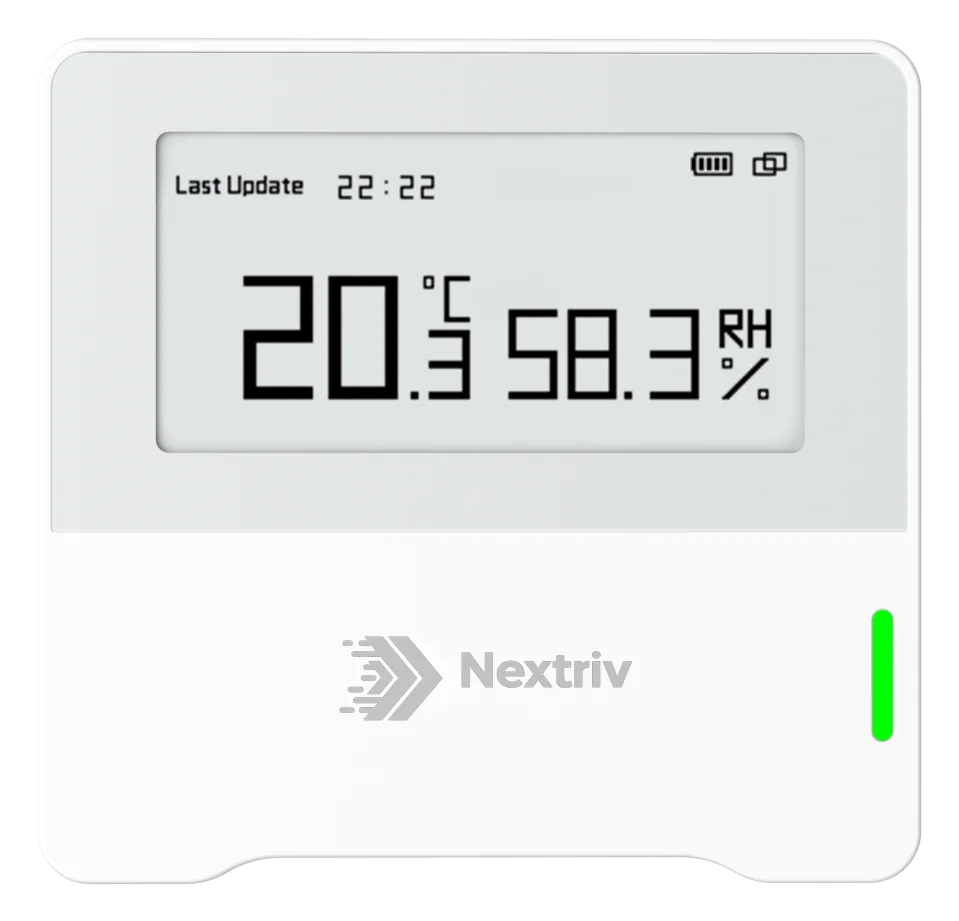
Nextriv Sense Display
SKU: NX-SN-DISP
Temperature and humidity sensor with a 2.13″ e-ink display — readings on-site and in the Nextriv platform. Over 7 years on replaceable batteries.
- Temperature
- Humidity
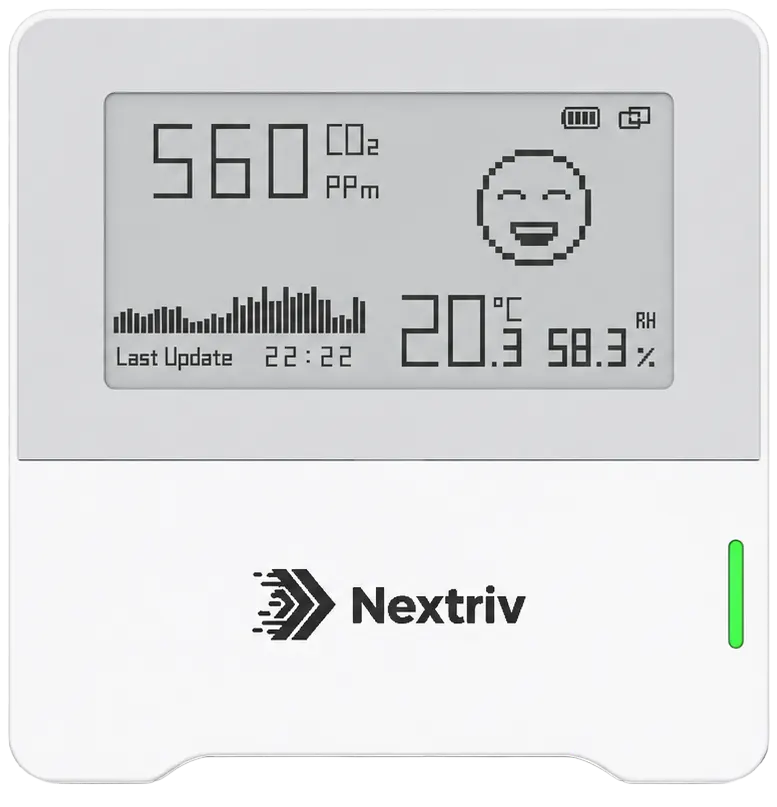
Nextriv Sense CO₂
SKU: NX-SN-CO2
CO₂, temperature and humidity sensor with NDIR measurement and an e-ink display. Shows on the spot when to air the room — and sends the data to the Nextriv platform.
- Temperature
- Humidity
- CO₂
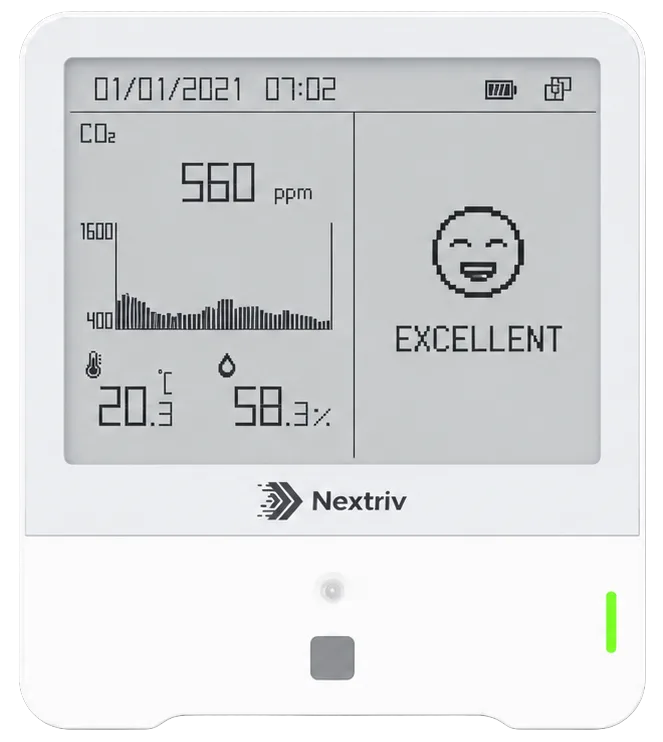
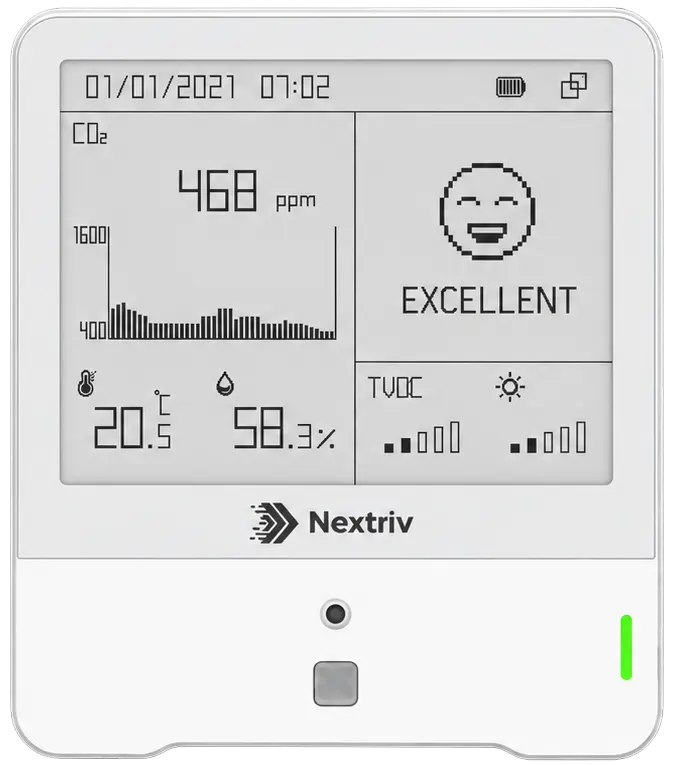
Nextriv Sense IAQ
SKU: NX-SN-AQ7
7-in-1 air quality station: temperature, humidity, CO₂, TVOC, pressure, light and occupancy — with a 4.2″ e-ink display and an 18,000-record buffer.
- Temperature
- Humidity
- CO₂
- TVOC
- +3
Nextriv Sense IAQ Comfort
SKU: NX-SN-AQ8C
8-in-1 climate monitoring with laser PM2.5/PM10 particulate measurement — the full picture of air health in facilities with elevated dust levels.
- Temperature
- Humidity
- CO₂
- TVOC
- +4
Not sure which set to choose?
Tell us about your facility and we'll match sensors and a gateway to the exact rooms you need to monitor — no unnecessary hardware.