
Sense environmental sensors
Nextriv Sense Levellaser level sensor for dispensers
SKU: NX-SN-LVL
Miniature laser supply-level sensor for dispensers (paper, towels) — thresholds in percent, 1 cm dead zone, a housing just 12 mm thick. Service teams refill before anything runs out.
€64net
VAT is added to the price.
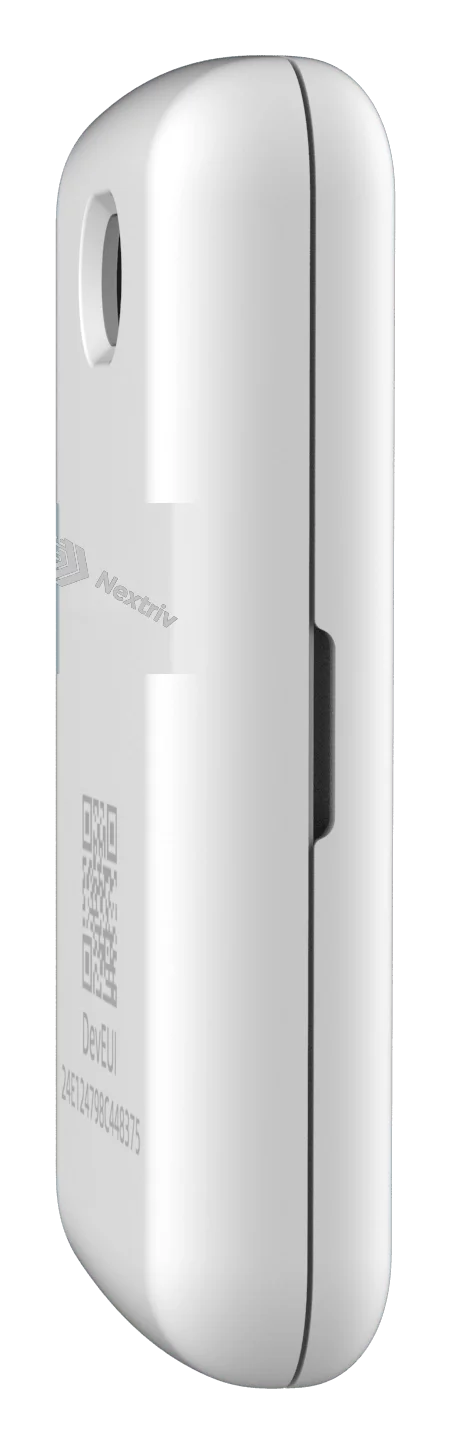
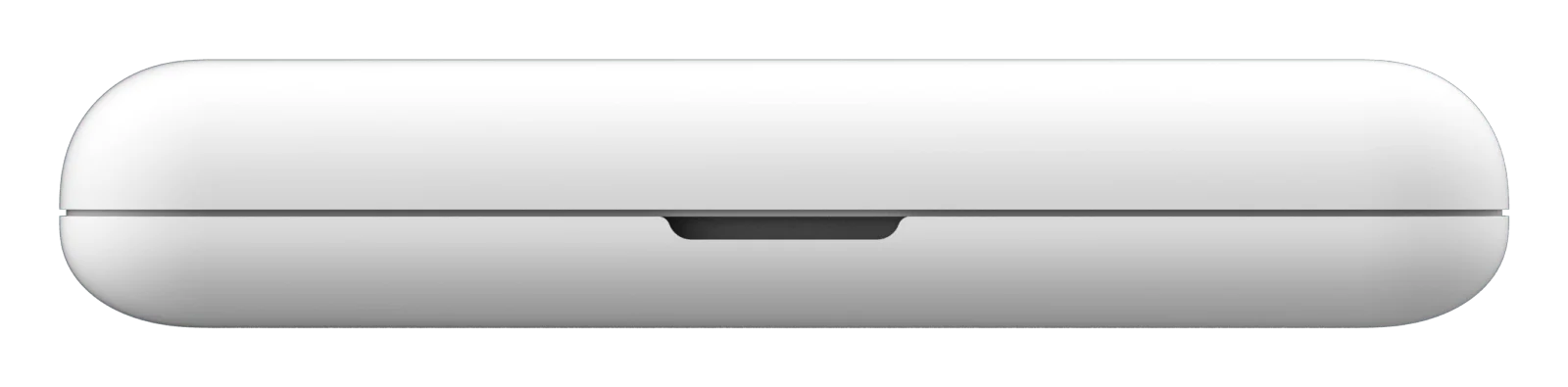
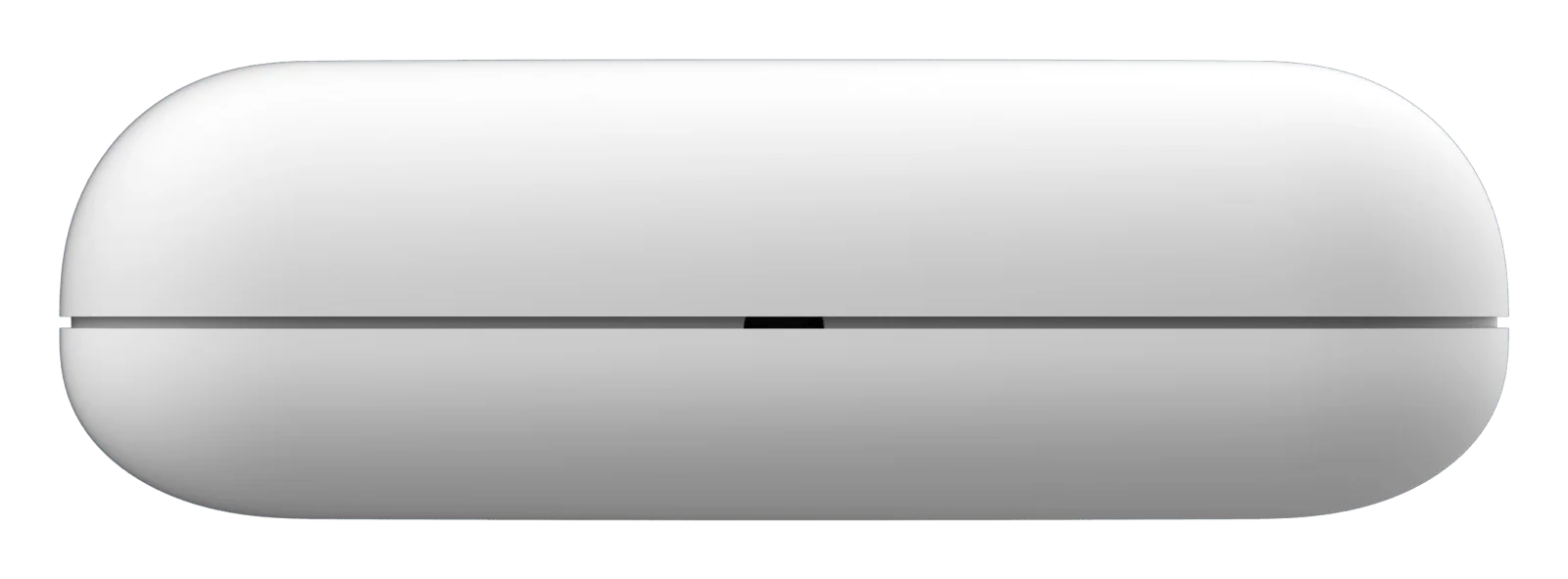

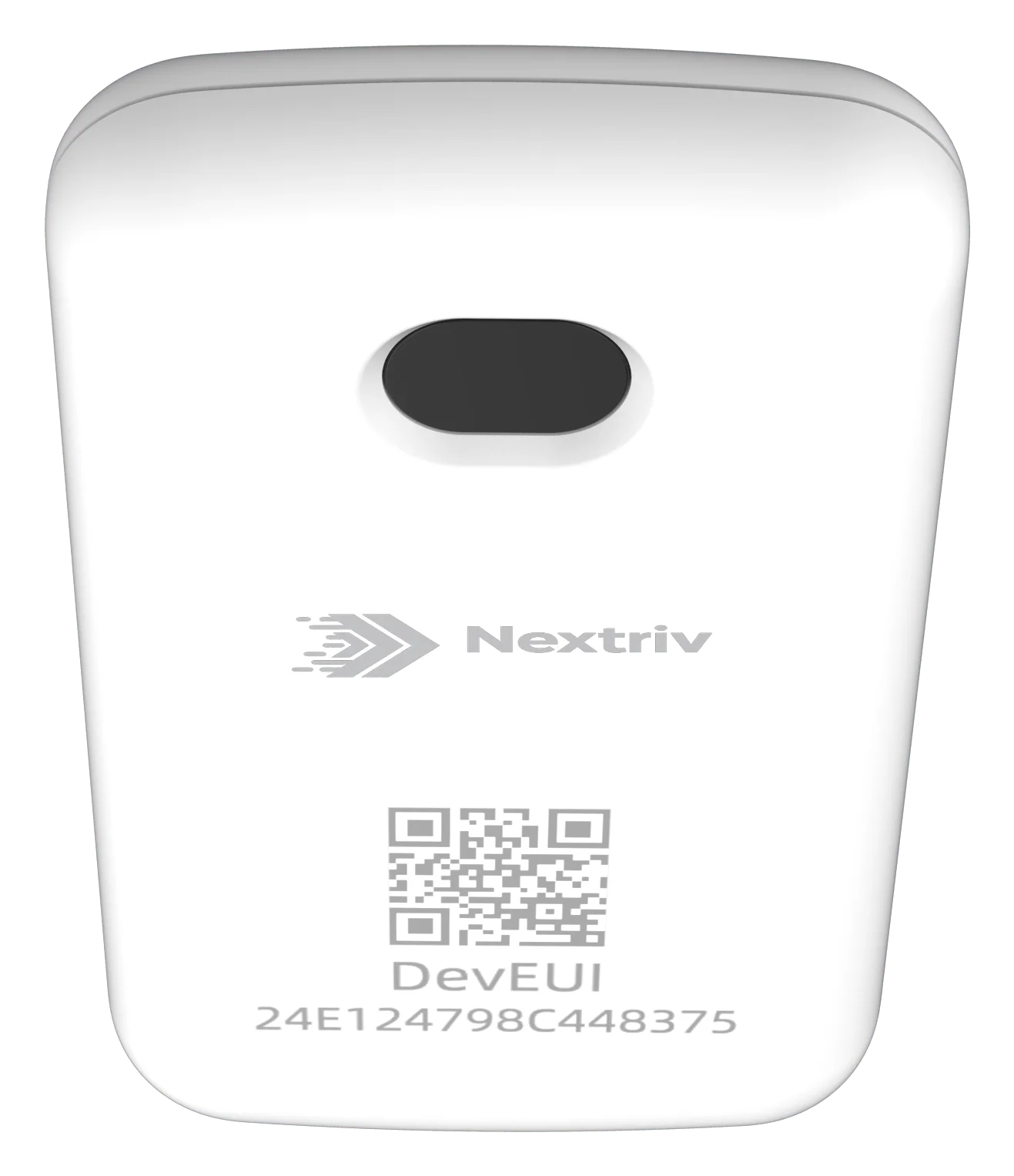
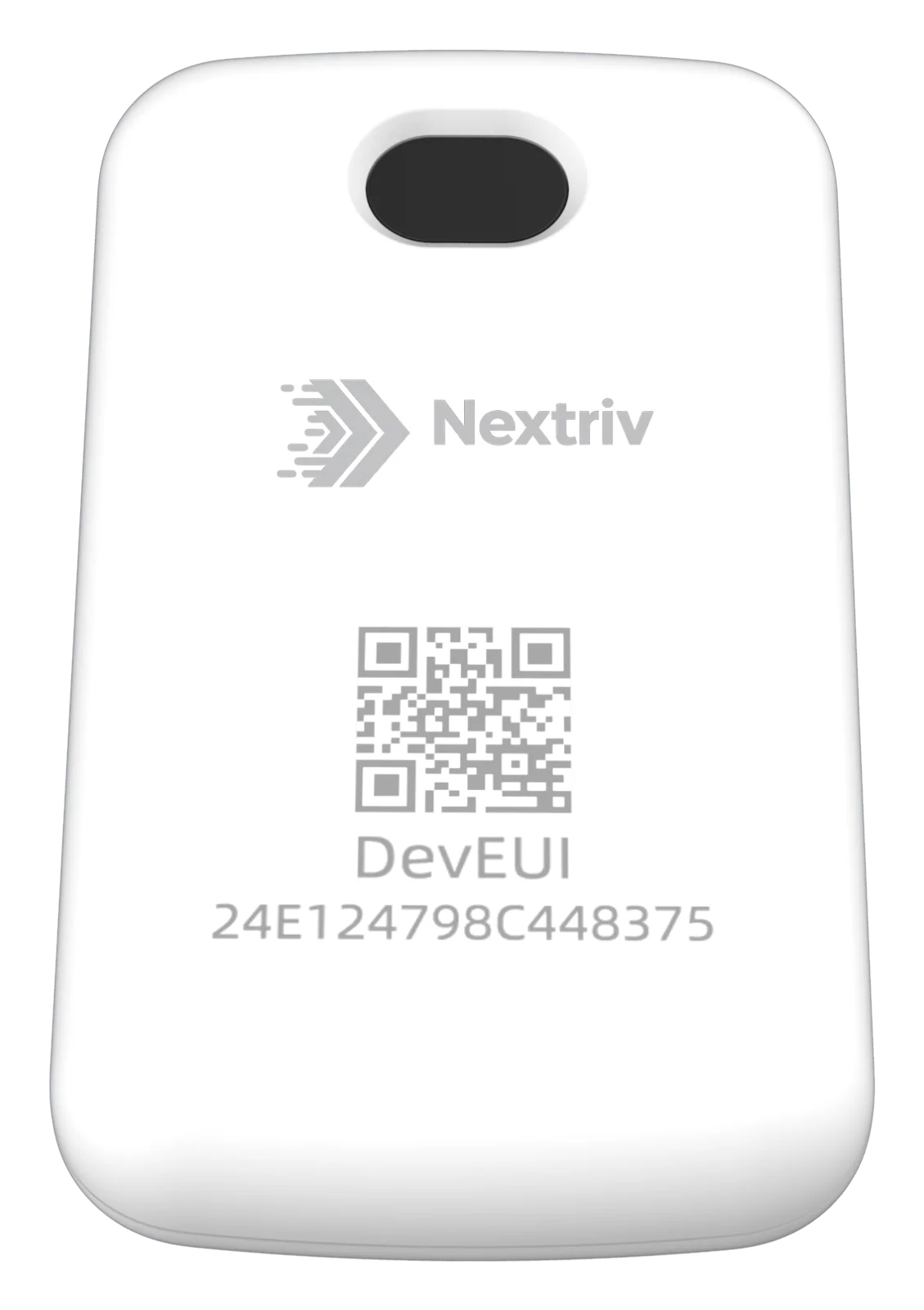
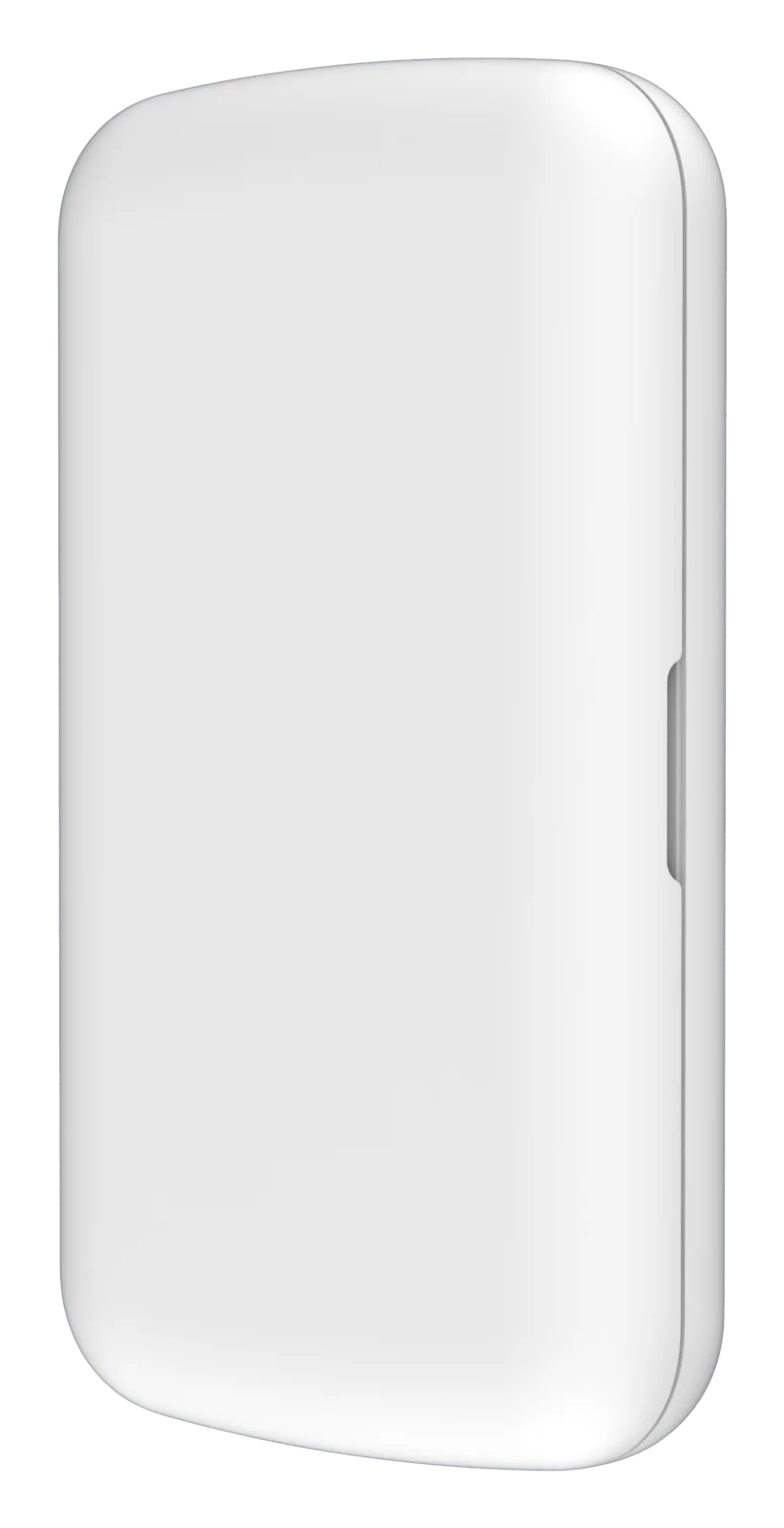
Description
- Just 12 mm thick
- Thresholds in percent of remaining supply
- Dead zone of only 1 cm
- Tape-mounted, no tools needed
- Stays connected even inside a metal dispenser
- Coin-cell battery lasting approx. 1.9–3.2 years
What it is for
The restroom is where visitors judge an entire building most harshly — and an empty dispenser can damage the reputation of a shopping centre, office building or airport more effectively than many a more serious fault. Yet the standard cleaning model is the patrol: staff check every cubicle in turn, whether it is needed or not. Half of those visits are unnecessary, and empty dispensers still happen — because consumption does not follow a schedule.
Nextriv Sense Level turns that model on its head. A miniature laser sensor (time-of-flight light measurement, ToF) just ~12 mm thick sticks inside the dispenser and measures how much supply is actually left — with ±1 cm accuracy and a dead zone of only 1 cm, so it works even in shallow dispensers. Alarm thresholds are set as a percentage of remaining supply, with no converting centimetres into rolls: "notify me when 20% is left" — and the service crew goes exactly where it is needed, exactly when it is needed.
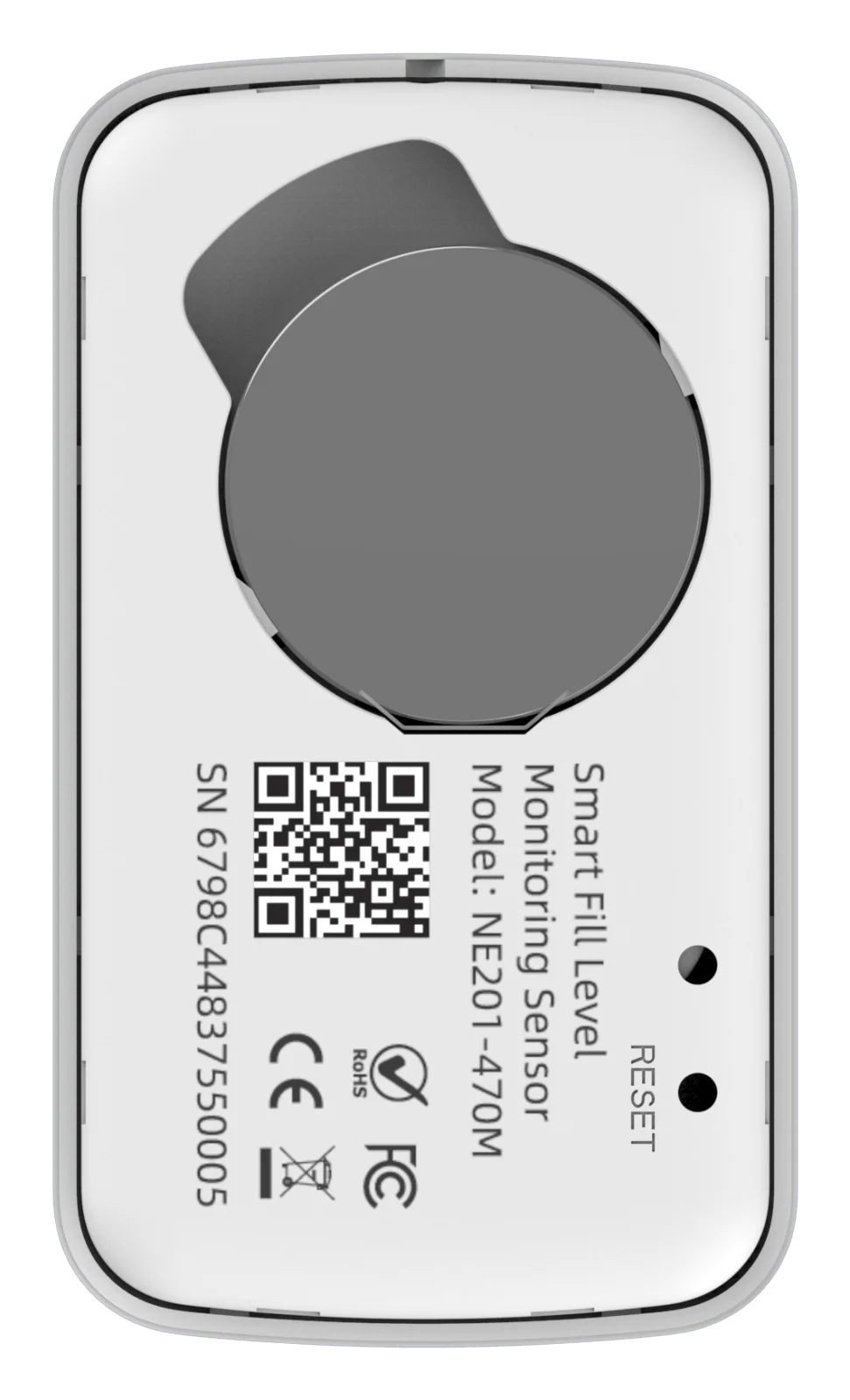
The design is consistently built around the realities of a public restroom. A moisture-protective coating on the electronics withstands steam and humidity, a purpose-designed antenna keeps the device connected even from inside a metal dispenser, and a hibernation mode lets you put the sensor to sleep during the facility's closing hours — say, between 10 p.m. and 9 a.m. in a shopping centre — to extend battery life. The battery itself is an ordinary, widely available coin cell that lasts around 1.9–3.2 years depending on the radio configuration; a tool-free cover makes replacement a thirty-second job for cleaning staff, not a technician. This is an indoor device — it operates from −10 to 60 °C at humidity up to 95%.
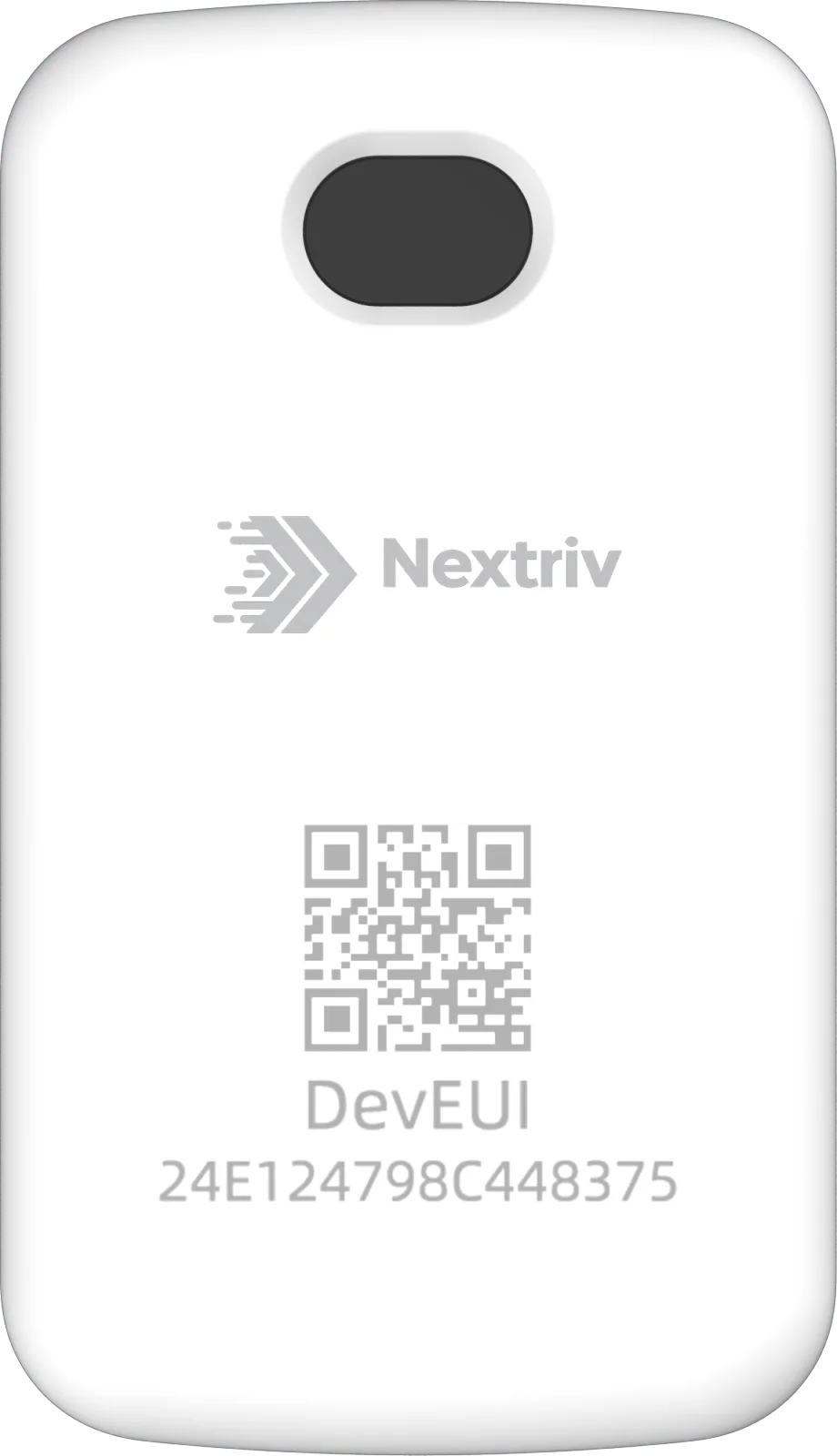
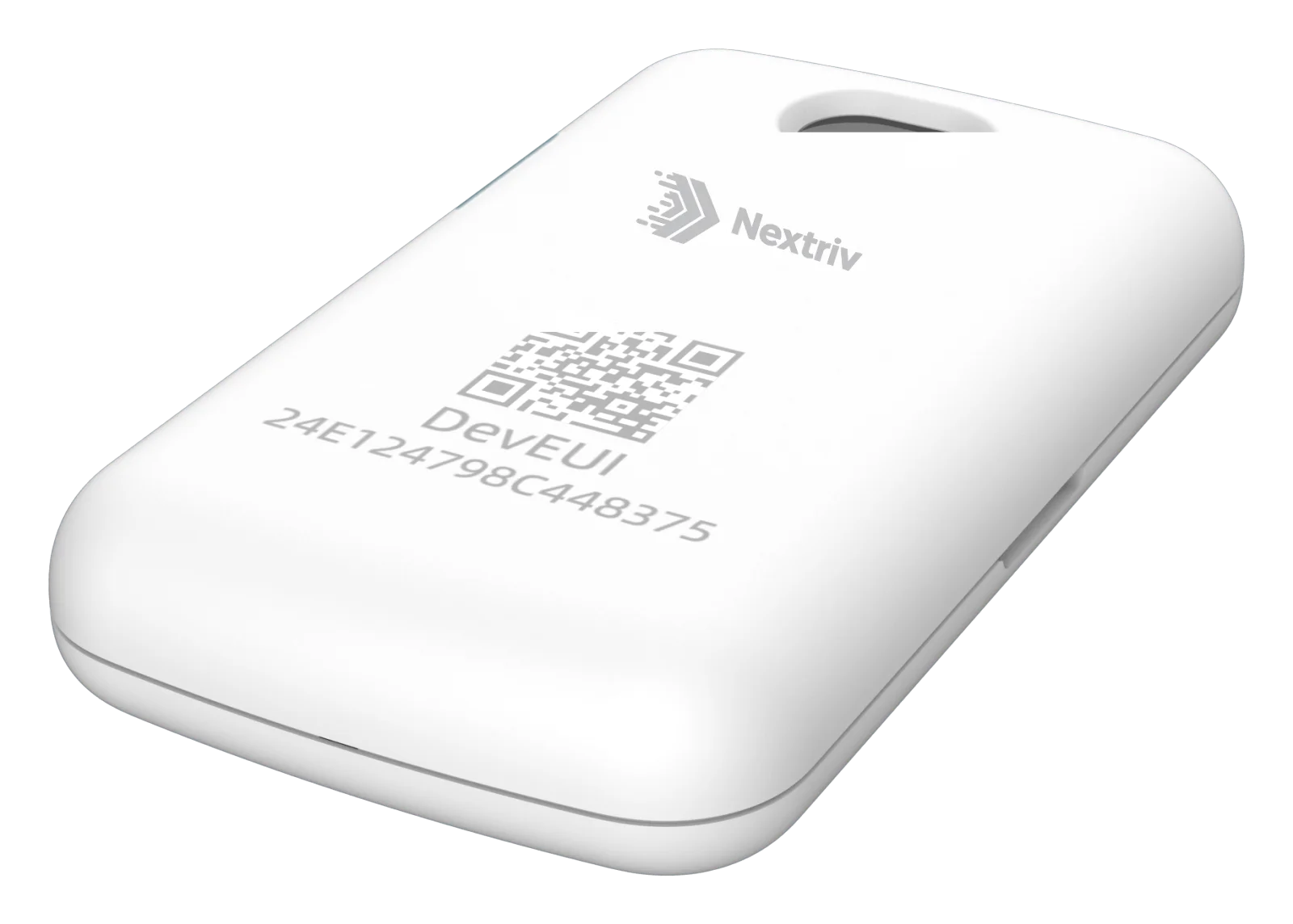
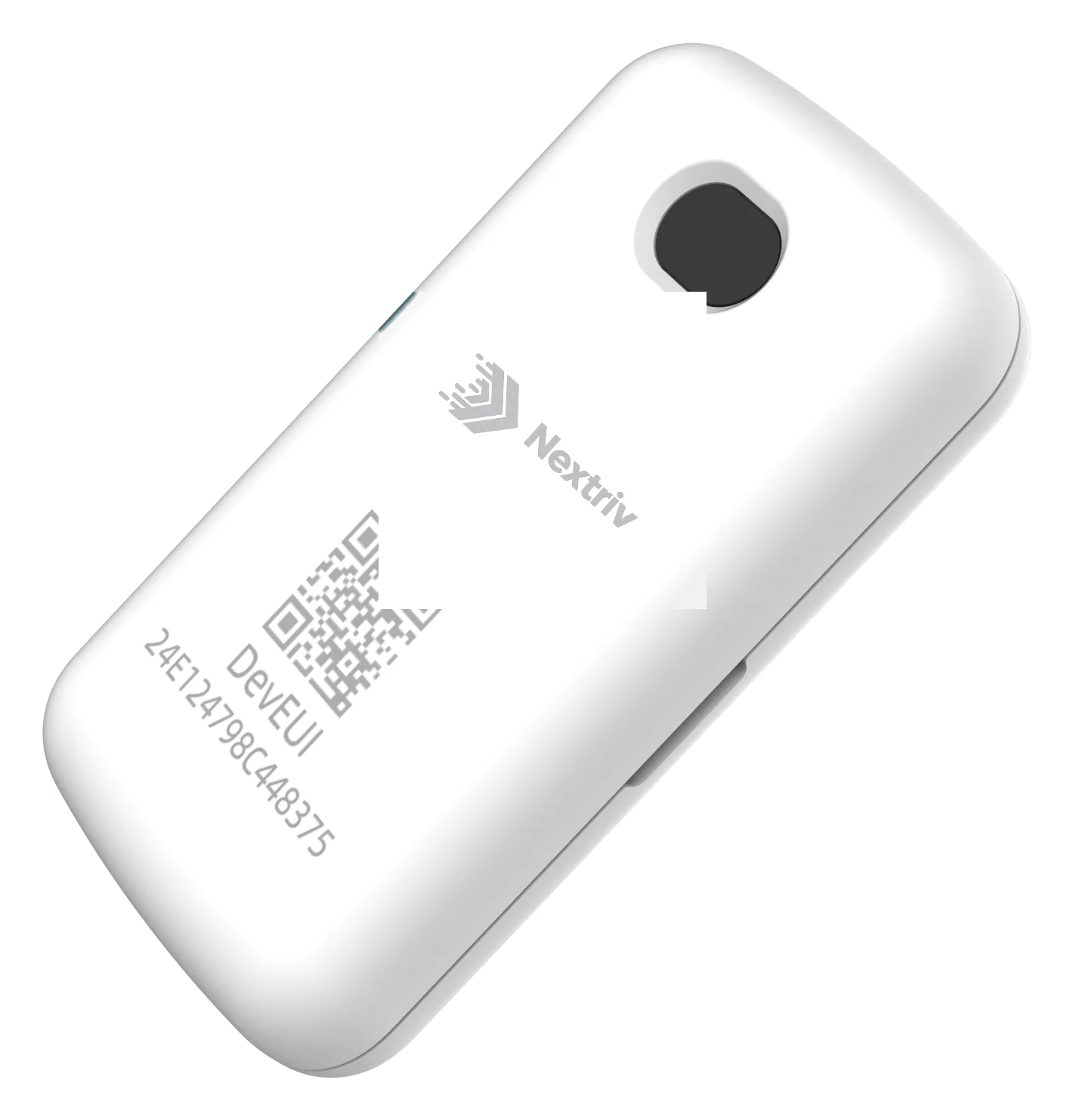
Installation is a matter of double-sided adhesive tape — no drilling, no cables, no modifications to the dispenser. A QR code with the device ID on the front speeds up pairing and inventory, so a rollout of hundreds of points wraps up in a single day.
Usage scenarios
- Shopping centre at the weekend: the restrooms near the food court hit peak traffic while those near the offices sit empty. The dashboard shows the supply percentage in every dispenser — the crew refills selectively, and the complaints book stops filling up with "no paper" entries.
- Airport / railway station: hundreds of cubicles and round-the-clock traffic. Percentage-based alerts turn "just in case" patrols into precise interventions — fewer kilometres for staff, zero empty dispensers.
- Class A office building: the facility manager holds the cleaning company accountable for results, not presence. The reading history shows in black and white whether dispensers were refilled on time — an end to discussions based on impressions.
- Hospital / clinic: in a medical facility, a lack of hygiene supplies is not an inconvenience but a sanitary risk. The sensor watches the supply without involving staff who are in short supply anyway.
- Hotel: public restrooms by the lobby and conference rooms serviced just in time. A guest never encounters an empty dispenser, and housekeeping wastes no trips.
- Sports venue: after a match, restroom consumption spikes dozens of times over within an hour. Sensors show live which facilities need immediate restocking before the second half begins.
Key features
- Ultra-slim housing of ~12 mm and ~25 g — fits inside typical paper and towel dispensers from various manufacturers without taking up supply space.
- ToF laser measurement with a dead zone of only 1 cm and a ~25° field of view — it targets the supply, not the housing walls.
- Progressive resolution (1 mm at short distances) — the tail end of the supply, the part that matters most, is measured most precisely.
- Thresholds in percent of remaining supply — configured in the language of the cleaning service, no unit conversions.
- Hibernation mode following facility hours — editable schedule; in 24/7 facilities the feature can be disabled.
- An antenna designed to operate inside metal dispensers — connectivity where typical electronics lose signal.
- Mounted with adhesive tape, no tools; optional magnetic kit for metal dispensers and deployments without adhesive residue.
- Tool-free battery cover plus an ordinary, widely available coin cell — replacement in half a minute.
- QR code with the device ID on the front and NFC configuration — mass rollouts without chaos.
In the Nextriv system
Every dispenser becomes a percentage metric with four thresholds — a warning level for patrol planning and a critical level for immediate intervention. Notifications reach the crew through a channel that works in the field: SMS, push or an audible alarm in the app, while the facility management office gets e-mail or Microsoft Teams; the webhooks integration forwards the event to a ticketing system. Events carry statuses and comments, so the manager can see who refilled the supply and when.
A dashboard with a sensor table shows all of a facility's restrooms on a single screen, while PDF reports and XLSX/CSV exports document the service level for SLA billing. The natural partner in a "smart restroom" is the odour detector Nextriv Sense Gas — together they turn cleaning by timetable into cleaning by need.
Typical deployments
- Office buildings and shopping centres: every dispenser in the facility on one dashboard — solutions for buildings and for retail.
- Hotels and food service: guest areas serviced just in time — solutions for hospitality.
- Healthcare: continuous availability of hygiene supplies in patient areas — solutions for healthcare.
- Schools and public facilities: restrooms with spiky usage under constant control — solutions for schools.
Specification
| Detection range | 1–55 cm (ToF laser) |
|---|---|
| Accuracy | ±1 cm; dead zone of only 1 cm |
| Resolution | 1 mm (1–15 cm), 2 mm (15–35 cm), 3 mm (35–55 cm) |
| Field of view | approx. 25° |
| Alarm thresholds | defined as a percentage of remaining supply |
| Connectivity | Long-range radio — up to ~2 km in urban areas, ~15 km in open terrain |
| Power | 1 × CR2450 coin-cell battery (590 mAh), replaceable |
| Battery life | approx. 1.9–3.2 years depending on the radio configuration (60-min interval, approx. 13 working hours a day, 25 °C) |
| Ingress protection | IP30 (indoor use) + moisture-protective coating on the electronics |
| Operating conditions | −10…60 °C, humidity 0–95% (non-condensing) |
| Dimensions and weight | 66 × 38 × 12 mm, approx. 25 g (with battery) |
Related products
Other devices from the same family.
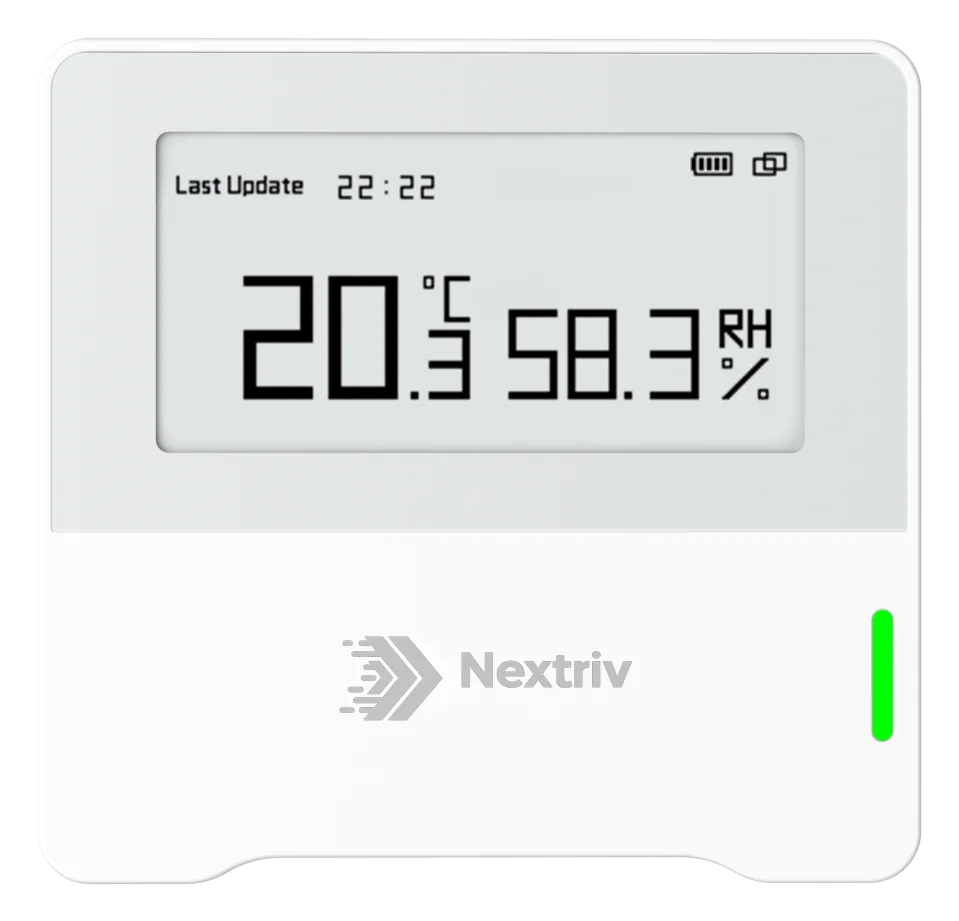
Nextriv Sense Display
SKU: NX-SN-DISP
Temperature and humidity sensor with a 2.13″ e-ink display — readings on-site and in the Nextriv platform. Over 7 years on replaceable batteries.
- Temperature
- Humidity
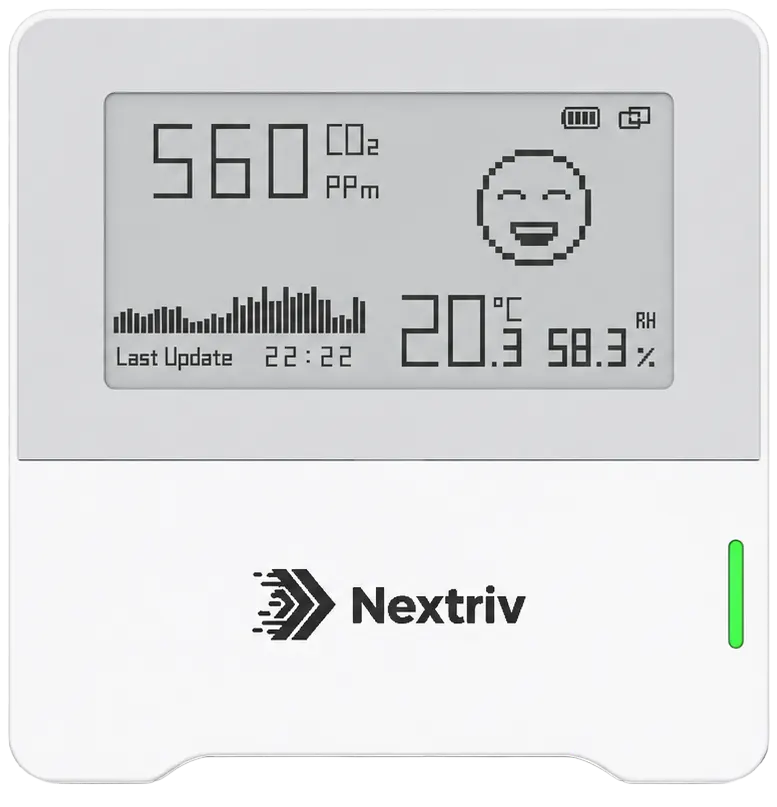
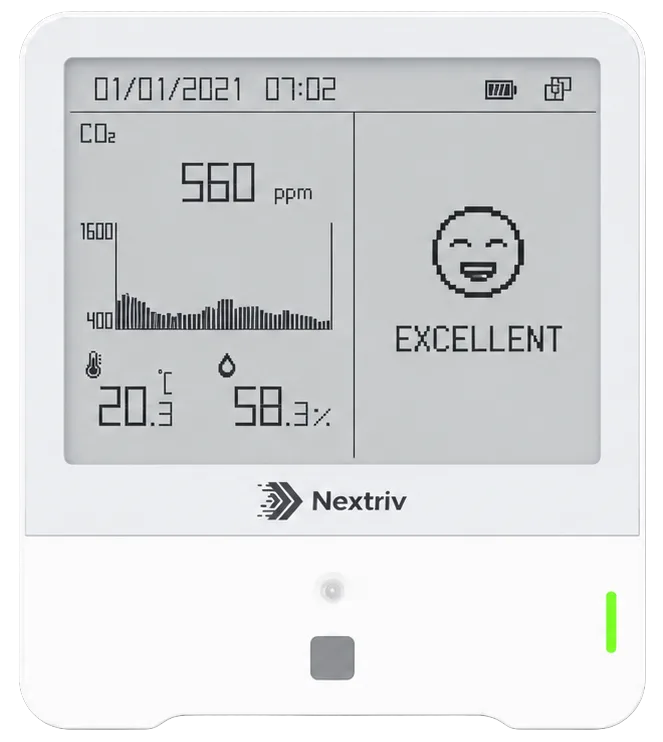
Nextriv Sense CO₂
SKU: NX-SN-CO2
CO₂, temperature and humidity sensor with NDIR measurement and an e-ink display. Shows on the spot when to air the room — and sends the data to the Nextriv platform.
- Temperature
- Humidity
- CO₂
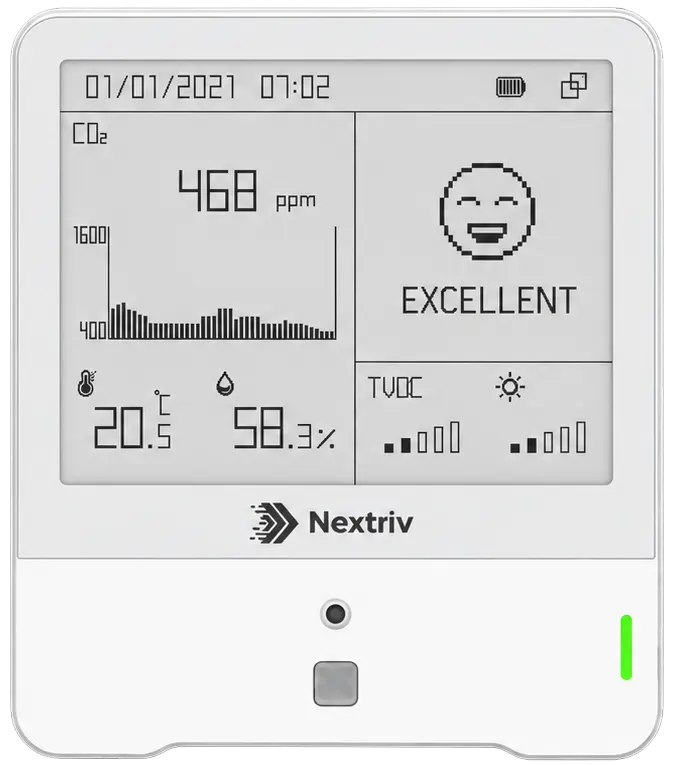
Nextriv Sense IAQ
SKU: NX-SN-AQ7
7-in-1 air quality station: temperature, humidity, CO₂, TVOC, pressure, light and occupancy — with a 4.2″ e-ink display and an 18,000-record buffer.
- Temperature
- Humidity
- CO₂
- TVOC
- +3
Nextriv Sense IAQ Comfort
SKU: NX-SN-AQ8C
8-in-1 climate monitoring with laser PM2.5/PM10 particulate measurement — the full picture of air health in facilities with elevated dust levels.
- Temperature
- Humidity
- CO₂
- TVOC
- +4
Not sure which set to choose?
Tell us about your facility and we'll match sensors and a gateway to the exact rooms you need to monitor — no unnecessary hardware.